
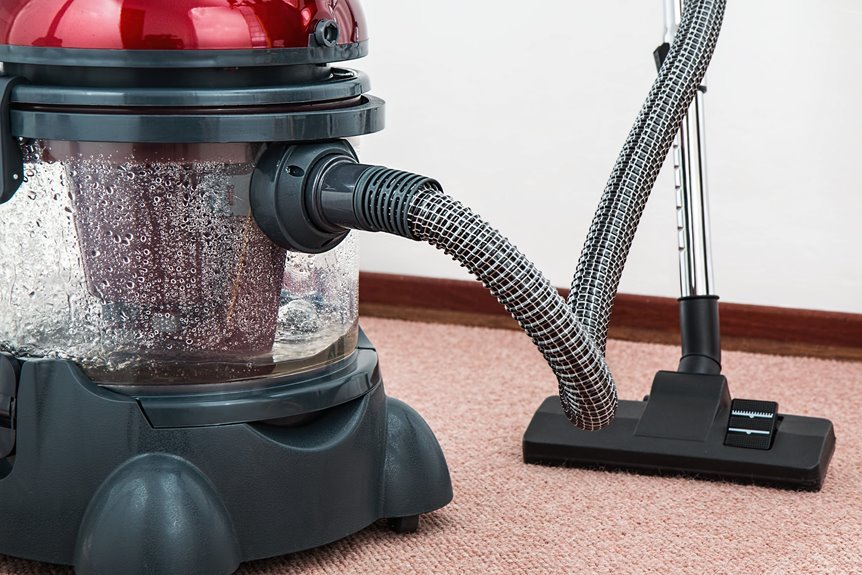

Like Sherlock tracing a faint clue, you can usually track weak vacuum suction to a few simple trouble spots. First, check the setting, the floor head, and the bin or bag, because even a small mismatch can restrict airflow quickly. Then inspect dirty filters, hidden clogs, cracked hoses, loose seals, and a worn belt. The good news is that most fixes are easier than you might expect, and the most overlooked cause is often the one you have not checked yet.
Check These Easy Vacuum Suction Fixes First
Before you assume your vacuum is failing, start with the quick fixes that solve most suction problems in minutes.
First, check your power settings. A low setting can make your vacuum seem weak when it’s simply turned down. Next, inspect the hose, wand, and intake openings for stuck debris. Even a small clog can restrict airflow and reduce performance.
Then check the cleaning head, because airflow problems often appear there first. Look under the nozzle for hair, string, or crumbs packed around the brush roll and air channels. Make sure your floor head setup matches the surface you’re cleaning. A carpet setting on hard floors, or the wrong height setting, can quickly reduce pickup. Also listen for hissing, which may indicate a loose connection or a nearby seal issue.
Empty the Dust Bin or Replace the Bag
Start by emptying the dust bin before it becomes packed full, because trapped dirt can quickly restrict airflow.
If your vacuum uses a bag, replace it once it’s full so the machine can maintain proper airflow.
Then confirm that the bin or bag is seated securely, because even a slightly loose fit can reduce suction.
Empty Before It Overfills
When your vacuum suddenly feels weak, check the dust bin or bag first, because an overfilled container is one of the fastest ways to choke off airflow. If debris rises past container capacity, your machine can’t breathe well, and pickup drops fast. You don’t need to wait for an overflow warning, either. Emptying sooner keeps dirt from packing into the airflow path.
That small habit helps your vacuum stay ready for the weekly cleaning you rely on. As the bin fills, fine dust shifts upward and can crowd the inlet area.
Replace Full Vacuum Bags
A full vacuum bag or packed dust bin is often the simple reason your machine loses suction. As the container fills, airflow drops quickly, and your vacuum can’t pull in dirt as effectively. One of the first fixes is simple: empty the bin or replace the bag before debris becomes tightly packed.
Then inspect the bag closely. A torn vacuum bag can leak air and dust, which reduces pickup and leaves debris behind.
You should also check for bag seal failure, because even a small gap can disrupt the airflow your vacuum needs. Replacing the bag regularly and avoiding an overfilled bin helps your vacuum perform better, keeps floors cleaner, and makes cleaning easier.
Check Bin Installation
Once the bin is empty or the bag is replaced, make sure everything is reinstalled correctly. Even a small misalignment can reduce your vacuum’s suction. Slide the container in slowly, listen for the bin latch to click securely, and confirm that no edge sits unevenly. If your model uses a bag, fit the collar tightly so air can’t leak around it.
Next, inspect the seals, gasket, and filter door area. Dust, bent tabs, or a missing seal can interrupt airflow before it reaches the motor. If anything looks out of place, clean the contact points and reseat the dustbin properly.
Then press each part into position until it feels snug. This isn’t just a minor detail, it helps preserve the airflow your vacuum needs to perform reliably.
Wash or Replace Dirty Vacuum Filters
Because filters control how freely air moves through your vacuum, even a thin layer of dust can make suction drop quickly. If your machine suddenly feels weak, check both the pre motor and post motor filters. When they’re packed with fine debris, your vacuum has to work harder, and the loss in performance is noticeable right away.
Start with the manual, since your vacuum’s filter maintenance steps may differ. Wash only filters labeled washable, using cool water and no soap unless the manufacturer allows it.
Then allow enough time for the filter to dry completely. A damp filter can cause odors and poor performance, so let it air dry fully, often for 24 hours. If a filter looks torn, warped, or isn’t washable, replace it. Keeping up with this maintenance helps your vacuum perform reliably.
Clear Clogs From the Hose and Wand
If your vacuum still feels weak after checking the filters, a clog in the hose or wand may be restricting airflow.
Inspect both ends of the hose and the full length of the wand, since small items and packed debris can become lodged in hard to see areas.
Once you locate the blockage, remove it carefully to restore suction.
Inspect Hose Blockages
When suction drops even after you empty the bin and check the filters, the hose and wand are the next places to inspect.
Start by disconnecting both ends of the hose and looking through them toward a light. This quick check often reveals the blockage location, especially if a sock, paper, or packed dust is stuck inside.
Next, bend the hose gently while checking for trapped debris, splits, or cracks that let air escape. Run your hand along the full length, because small bulges can indicate a hidden clog.
If you find one, remove it carefully with a long, blunt tool. Then reconnect everything firmly and test suction again.
This simple check helps restore reliable vacuum performance and keeps your cleaning routine on track.
Unclog Wand Debris
After you check the hose itself, move on to the wand and any connected tubes, since clogs often collect there and quietly reduce airflow. Detach each section and look through it toward a light. If you spot an obstruction in the wand, guide it out with a broom handle, pipe cleaner, or straightened hanger. Work gently so you don’t crack the tube.
Next, keep debris removal simple and safe, because every clear passage helps your vacuum perform like part of a well-kept home again.
- Check both ends of the wand for packed dust, coins, or hair.
- Push debris forward slowly instead of forcing it deeper.
- Reconnect each tube tightly so air can’t leak out.
If suction improves after reassembly, you have likely found the hidden blockage and restored your cleaning routine.
Check for Air Leaks and Worn Seals
Because even a small gap can reduce suction, it’s wise to check for air leaks and worn seals after ruling out clogs and dirty filters. Start by listening for hissing or whistling around the hose, dustbin, filter door, and connection points. These sounds often indicate airflow leaks.
Next, confirm that every latch clicks shut and each part fits securely in place. A loose hose cuff or misaligned dustbin can quickly compromise the seal. Wipe the gaskets clean, since dust buildup can prevent seals from closing fully.
Then inspect rubber rings and foam seals for cracks, flattening, or tears. If you find damage, reseat or replace the part according to your vacuum’s manual. Also check that the suction control hasn’t been set to a lower level by mistake.
Inspect the Brush Roll and Belt
Inspect the Brush Roll and Belt
Even if the hose is clear and the seals look good, the brush roll and belt can still reduce your vacuum’s performance. When hair, string, and lint wrap around the roller, the vacuum may not pick up dirt effectively. If you notice weak pickup on carpet, inspect the brush roll for wear and clean the bristles carefully.
Next, check the belt. A stretched, cracked, or loose belt can lead to belt slippage, which prevents the brush roll from spinning with enough force. This is a common issue and is usually easy to identify.
- Cut away wrapped debris safely
- Check bristles for bending or thinning
- Inspect the belt for looseness or damage
Also, make sure the floor head is free of blockages so the vacuum can operate properly again.
Decide Whether to Repair or Replace the Vacuum
If you’ve emptied the bin, cleaned the filters, cleared the hose, and checked the brush roll, but your vacuum still feels weak, it may be time to decide whether a repair makes sense or if replacement is the better option.
Start with the vacuum’s age and overall condition. If it’s fairly new, a loose seal, cracked hose, or failing motor component may be worth repairing. Compare the cost of professional repair with the price of a dependable new model. If repair costs approach half the price of replacement, many households choose to buy new instead.
Also think about vacuum replacement timing. If your machine has frequent clogs, worn seals, unusual noises, or declining power, replacing it may save time and frustration. You deserve tools that help keep your home clean, calm, and well cared for each week.
Frequently Asked Questions
Why Does My Vacuum Smell Bad When Running?
Your vacuum smells bad because it likely has a clogged filter, trapped debris, or an overheating belt inside. You can usually fix the problem by emptying the vacuum, clearing blockages, cleaning the filters, and checking for worn or damaged parts.
Can Using the Wrong Attachment Affect Cleaning Performance?
Yes, using the wrong attachment can reduce cleaning performance. Because most suction issues involve restricted airflow, the way your attachment fits matters. A mismatched nozzle can distribute airflow poorly, which makes cleaning less effective and can make it seem like your vacuum is underperforming.
How Often Should I Deep-Clean My Vacuum?
You should deep-clean your vacuum every one to three months, depending on how often you use it. Follow a simple maintenance schedule: empty debris regularly, check filters monthly, and adjust the cleaning frequency based on pets, carpets, and your household routine.
Is Weak Suction Normal on Thick Carpets?
Yes, weaker suction on thick carpets is normal. The carpet pile creates more resistance and changes the airflow balance. You will usually get better results if you raise the height, use the correct floor head, and check for clogs, filters, and settings.
Can Pet Hair Damage a Vacuum Motor Over Time?
Yes, pet hair can damage your vacuum motor over time because buildup restricts airflow, clogs filters, and jams brush rolls, which increases strain on the motor. To help protect your vacuum, clean it regularly.
