
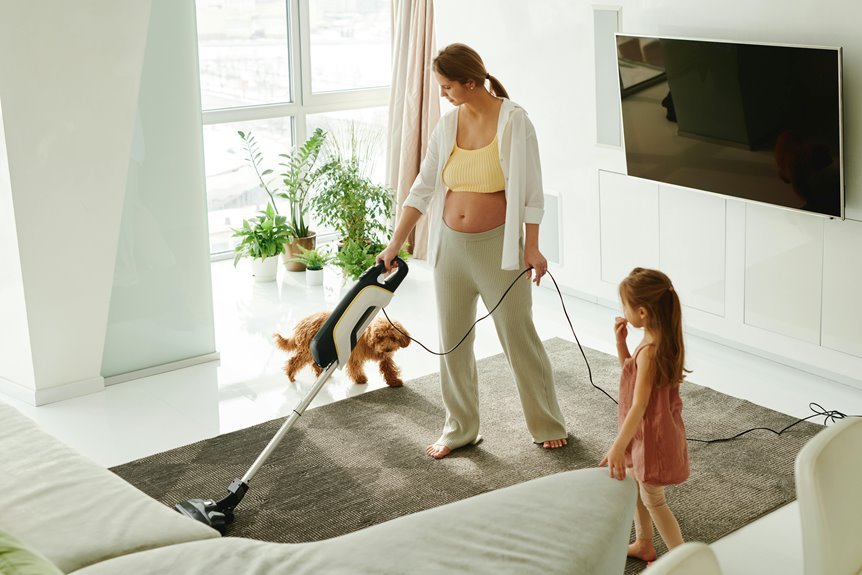

A carpet can trap odors, but the right vacuuming habits can help remove them. First, identify the source of the smell, then adjust your vacuum for the carpet type and clean with slow, steady passes. Next, pay close attention to damp areas, pet zones, and edges where stale buildup often collects. Baking soda and fresh airflow can also help, and the next step is more important than many people realize.
Know What Causes Carpet Odors
Before you try to freshen your carpet, it helps to know what’s actually causing the smell. Once you understand the source, you can treat the real problem instead of covering it up. In many homes, odor sources include pet hair, tracked-in dirt, food crumbs, dust, spills, and damp spots hidden deep in the fibers.
This matters because odors often build slowly in areas your household uses every day. Hallways, entryways, corners, and spaces near sofas can trap debris that holds smells. When moisture reaches the carpet or backing, the odor can turn musty quickly. Pet accidents and old spills can also leave lingering smells below the surface. Once you identify where the odor begins, you’re better prepared to make your carpet feel clean, welcoming, and comfortable for everyone.
Choose the Best Vacuum Settings
Since trapped dirt and odor particles sit deep in carpet fibers, your vacuum settings need to match the carpet if you want a truly fresh result. Start by checking carpet height, because the wrong level can block airflow or miss buried debris.
If your vacuum sits too low, it may drag and scatter grit. If it sits too high, it won’t pull much from the base.
Next, adjust suction power to fit the rug’s density. Use stronger suction on sturdy, low-pile carpet, and lower suction on thicker or delicate styles to protect fibers.
Turn on the brush roll for durable carpets, but switch it off for loops or fringe that can snag.
Also, make sure the filter is clean and the bag or canister isn’t full, so your whole room feels cared for.
Vacuum Carpet Slowly and Thoroughly
Even with the right settings, your vacuum won’t remove carpet odors well if you rush the job. Move slowly so the suction can lift dust, hair, and odor-holding grit from deep in the fibers. When you give each section careful attention, the whole room feels fresher and more welcoming.
Start with slow passes that overlap slightly. Then change direction and use layered vacuum strokes to loosen trapped debris from different angles. This matters most in busy walkways, along edges, and near furniture, where crumbs and pet hair tend to settle.
Keep your pace steady and let the vacuum do its work. If the carpet is thick, make extra passes until it looks evenly lifted. You aren’t being picky. You’re caring for a shared space that everyone uses and enjoys each day.
Target the Smelliest Carpet Spots First
Now focus on the spots that smell the worst, because those areas need the most attention and often hold the most odor-carrying debris. Start where your family gathers most, like the walkway beside the sofa, the pet’s favorite nap place, or the patch near the door. These smelliest zones usually trap hair, crumbs, dust, and grit deep in the fibers.
Then give each area extra passes, moving slowly and changing direction to lift debris from every angle. This steady approach helps clear odor hotspots before smells spread through the room. If one section still seems musty, vacuum it again instead of rushing ahead. You aren’t overdoing it, you’re caring for the spaces everyone shares.
Use Vacuum Attachments on Carpet Edges
After you target the worst spots, use your vacuum attachments along the carpet edges to reach debris the main head can miss. You can remove concealed dust, pet hair, and grit that often collect where the carpet meets the wall.
This extra attention helps prevent trapped odor sources from lingering in those tight spaces.
Reach Tight Edges
Why do carpet odors seem to cling to the edges the longest? Along walls, airflow is weaker, and fine debris settles where your main vacuum path often misses. That’s why edge crevice cleaning matters. Switch to your crevice tool or hose and move slowly along the carpet line. Keep the nozzle close to the baseboard so you catch trapped grit before odors spread back into the room.
As you work, include baseboard dust removal as part of caring for the whole shared space. Use short, steady passes and overlap each section. If an edge looks packed, go over it again from the opposite direction.
This extra attention helps freshen the areas people notice, even if they don’t mention it. You’re creating a cleaner, more welcoming room for everyone.
Lift Hidden Dust
Edges hold more than visible lint, so your attachments help pull out the concealed dust that keeps odors lingering. Along carpet borders, debris settles deep where the main vacuum head often misses. When you switch to a crevice tool or edge brush, you reach the areas where dust and mess collect over time.
That extra step matters because odor particles cling to fine dust, pet hair, and grit packed beside baseboards and under furniture legs. Move slowly, keep the tool close to the edge, and make several passes for better dust removal. Then change direction to loosen what remains trapped in the fibers.
As you clean these often overlooked strips, you give your whole space a fresher start. It’s a simple habit, but it helps your home feel cared for, welcoming, and truly yours each day.
How Often to Vacuum Carpet
Ideally, vacuum high-traffic carpet areas at least two to three times a week, especially if your home has pets, kids, or heavy foot traffic. This frequency helps prevent odor-trapping dust from settling deep into the fibers. In quieter rooms, vacuuming once a week is often enough to keep the space fresh and welcoming.
| Area | Vacuum Schedule |
|---|---|
| Common rooms | 1 to 2 times weekly |
| Entryways, halls | 2 to 3 times weekly |
| Bedrooms | Weekly |
| Guest rooms | Every 1 to 2 weeks |
Adjust your routine as the seasons change. Fall and winter often bring in more dirt, while spring can add extra pollen. A consistent vacuuming schedule helps your home feel cleaner, calmer, and more comfortable for everyone.
Use Baking Soda and Airflow After Vacuuming
After vacuuming, sprinkle baking soda over the carpet so it can absorb odors deep in the fibers.
Then open the windows or run fans to keep fresh air moving and help the room smell cleaner more quickly.
If odors are stronger in one area, apply a thicker layer of baking soda there and allow it more time to work.
Apply Baking Soda
Once you’ve finished vacuuming, spread a generous, even layer of baking soda over the carpet so it can absorb odors deep in the fibers instead of sitting on top of loose debris. This step gives your carpet a fresh start and helps your home feel welcoming again. Focus extra powder on strong-smelling spots so the treatment reaches where odors linger.
Next, improve baking soda fiber contact by gently working it into the pile with a soft brush or dry sponge mop. This helps the powder reach more of the fibers your family walks on every day. Then allow enough baking soda dwell time for it to do its job. For mild smells, wait 15 to 30 minutes. For deeper odors, let it sit several hours or overnight. Make sure the carpet is fully dry first.
Improve Room Airflow
With the baking soda in place, improve airflow in the room while it sits on the carpet. Fresh, moving air helps carry stale odors away, and it keeps the carpet area from feeling closed in. After vacuuming, your home feels cleaner and more refreshed.
- Open windows to let fresh air move through the room naturally.
- Use fans to keep air circulating across the carpet and into corners.
- Close the door to nearby odor sources, such as litter boxes or damp laundry.
If possible, create a cross breeze by opening windows on opposite sides of the space. That steady airflow helps baking soda absorb odors while the room feels cleaner and more inviting. You aren’t just treating carpet odors. You’re helping the whole space feel more comfortable and welcoming.
Prevent Carpet Odors With Daily Habits
Often, the best way to prevent carpet odors is to stop smell-causing dirt from building up in the first place. You can do that with simple routines that help your home feel fresh and welcoming every day.
Start with smart footwear habits. Ask family and guests to leave shoes at the door, since outdoor grime and moisture cling to carpet fibers quickly.
Support that habit with regular vacuum maintenance. Empty the canister, clean the filter, and check suction so your vacuum continues lifting dust before odors settle in.
In high-traffic areas, vacuum several times a week, especially near entryways, sofas, and pet spaces.
Wipe paws, clean spills right away, and keep rooms dry with fans or open windows. Small habits like these help create a cleaner, more comfortable space for everyone.
Frequently Asked Questions
Can Vinegar Damage Certain Carpet Fibers or Dyes?
Yes, vinegar can damage some carpet fibers or fade dyes, so prioritize fiber safety and test for colorfastness first. Protect your home by patch testing a hidden area before wider use.
How Long Should Carpet Dry After Odor Spot Treatment?
Most spot-treated carpets need 2 to 6 hours to dry. If you used more liquid, allow overnight drying. To speed up the process, improve ventilation with fans, open windows, and keep foot traffic off the area.
When Should I Use an Enzyme Cleaner Instead of Baking Soda?
Use an enzyme cleaner when odors come from pet accidents or other organic messes, because it breaks down the compounds that cause the smell. Use baking soda for general lingering odors. You will get better results when you choose the treatment that fits the source of the odor.
Why Does Carpet Still Smell After Repeated Vacuuming?
Your carpet still smells because vacuuming cannot remove deep odor absorption, spills that have reached the padding, or hidden moisture. You will get better results when you dry it completely, treat the source of the odor, and use enzyme cleaners for persistent smells.
Should I Empty the Vacuum Canister After Deodorizing?
Yes, you should. Emptying the canister after deodorizing helps prevent odors from escaping back into your room, supports vacuum maintenance, and improves canister hygiene. This keeps your cleaning routine effective and helps your home feel fresher.
