
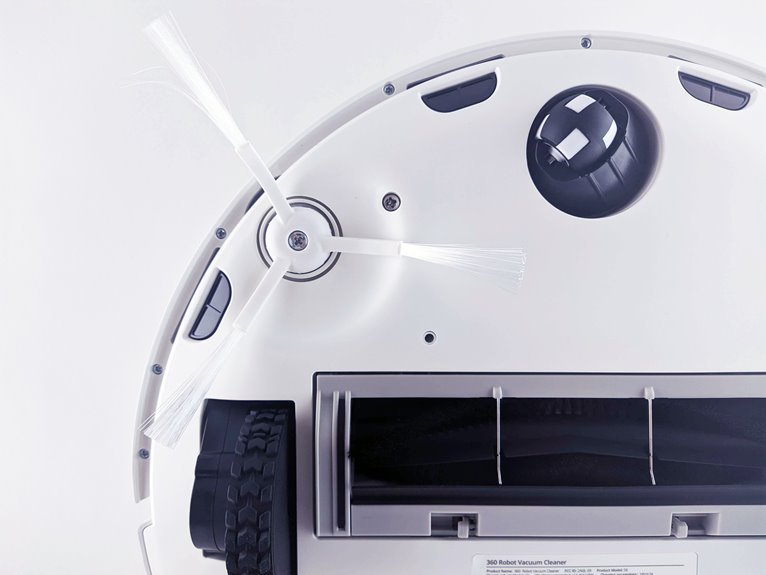

If your vacuum starts to smell dusty, loses suction, or leaves crumbs behind, the dustbin likely needs more than a quick emptying. You can clean it properly in a few simple steps: empty it carefully, check whether it is safe to wash, scrub away stuck dirt, and let every part dry completely before reassembling it. That last step matters more than most people realize, and it is often where problems begin.
Know When Your Vacuum Dustbin Needs Cleaning
Even though your vacuum still turns on and sounds normal, the dustbin may already be full enough to reduce performance. You can often notice early signs of suction loss before cleaning becomes frustrating. If crumbs remain on the floor, pet hair doesn’t lift easily, or the vacuum sounds louder than it works, the dustbin likely needs to be emptied.
Next, check for visible dust buildup along the bin walls, around seams, or near the release area. When debris is packed above the fill line, airflow drops quickly. You may also notice a musty smell or more dust circulating in the room.
For bagless models, emptying the bin after each use helps keep the vacuum reliable for everyday cleaning at home. If your usual quick pass suddenly takes longer, your vacuum likely needs a reset, not a replacement.
Supplies for Cleaning a Vacuum Dustbin
Before you start, gather a few simple tools so you can clean the dustbin safely and without making a mess.
You’ll need a dry microfiber cloth, a soft brush or old toothbrush, mild soap if the bin is washable, and a trash can nearby for easy emptying.
It’s also a good idea to wear gloves and a dust mask, because they help protect you from dust, dirt, and sneezing fits.
Essential Cleaning Tools
A few simple tools make dustbin cleaning faster, cleaner, and far less frustrating. When you gather the right supplies, the job feels manageable, and routine care becomes easier to maintain.
- A dry microfiber cloth for gentle wiping and dependable microfiber cloth care after dusty jobs
- Precision cleaning brushes that remove crumbs from seams, corners, and tight channels
- A soft old toothbrush for scrubbing stuck grit from lids and edges
- Mild soap with warm water for washable bins that need a deeper cleaning
- A small towel for setting parts down while you work and keeping your space tidy
These basic tools help you clean with confidence. You don’t need specialized equipment, just reliable supplies that make vacuum care simple, practical, and easy to repeat every time.
Protective Gear Needed
Just a few protective items can make dustbin cleaning feel cleaner, safer, and less stressful. Before you start, unplug your vacuum so no one in your home is at risk and the machine can’t switch on by accident. Then put on disposable gloves to keep grime off your hands and reduce dust exposure while you empty the bin over a trash can.
Next, wear a simple face mask for breathing protection, especially if fine dust tends to puff up when you tap the sides or wipe the corners. If you’re sensitive to allergens, safety glasses can help shield your eyes from stray particles.
Keep an apron or old shirt nearby as well, so a little mess isn’t a concern. These small habits help you feel prepared and confident while supporting cleaner tools and cleaner air.
Empty the Vacuum Dustbin Safely
Before you empty the vacuum dustbin, unplug the vacuum first so it can’t switch on accidentally while your hands are near the release area. This simple step supports vacuum safety and helps you stay in control.
Next, find the release button, hold the vacuum steady, and move to a trash can before opening the bin for better dust spill control.
- Your hand steadies the vacuum over the can
- The latch clicks open with a small snap
- Dust drops straight down instead of puffing out
- A light tap loosens packed dirt from the sides
- Loose crumbs shake free without swirling near vents
Then empty the bin directly into the trash. Tap the sides gently to free stuck debris. If you own a bagged model, replace the bag instead.
Check Whether the Dustbin Is Washable
Now that the loose debris is out, check the owner’s manual or the label on the dustbin to confirm whether it can handle water. This quick step helps you follow the vacuum’s design guidelines and avoid damage later. Start by checking the manufacturer label, then look for terms such as washable, rinse only, or don’t immerse.
If the bin doesn’t show clear guidance, the manual is the best backup. This is a practical way to protect your equipment. Pay close attention to any water safety rating and any notes about lids, seals, or electrical contact points.
Some bins may look durable but still aren’t designed for moisture. Verifying this first helps protect suction, internal parts, and the cleaning routine your household relies on each day.
Wash the Vacuum Dustbin the Right Way
Once you’ve emptied the dustbin, rinse it thoroughly with warm water and a small amount of mild soap to remove stuck-on grime.
Gently scrub the corners and edges, then rinse away all soap residue.
Let the dustbin dry completely before reinstalling it, because even a small amount of trapped moisture can cause odors and other issues later.
Empty And Rinse
Usually, the cleanest way to wash a vacuum dustbin starts with emptying it fully over a trash can, because any loose dirt left inside will turn into muddy grime the moment water hits it. For cleaner debris disposal, tap the sides gently and shake out stubborn bits first.
Then give the bin a quick rinse with warm water. When grime clings to corners, add a little mild soap and wipe carefully, following your manual.
- Dust drifting down into the trash, not back into your room
- Grit loosening from the bin walls with a few light taps
- Warm water carrying away cloudy residue
- Soap lifting sticky film from tight seams
- A clearer bin that feels fresh in your hands
This simple rhythm helps you care for your vacuum like people who really know their home tools.
Dry Before Reassembly
After you’ve rinsed away the grime, give the dustbin enough time to dry completely before putting it back on the vacuum. This step is more important than it may seem, because even a small amount of moisture can cause musty odors, trap debris, and affect moisture control inside the machine. Taking the time to do it properly helps protect your vacuum and keep it performing well.
Start by wiping the bin with a dry microfiber cloth to remove any remaining droplets. Then place it on its side so hidden water can drain from seams, lids, and corners.
In most cases, proper drying takes 12 to 24 hours, depending on your model and the airflow in the room. If you reinstall the bin before it’s fully dry, moisture can become trapped, and the vacuum may not perform as well as it should.
Remove Odors and Stuck-On Residue
If your vacuum dustbin still smells bad or feels grimy after you empty it, don’t worry. That kind of buildup is common in corners, seams, and along the lid. You aren’t alone, and a little focused cleaning can make your vacuum feel fresh again.
For stubborn residue, use a soft brush or cloth with mild soap to loosen the sticky film without scraping the plastic.
- Dust clinging like gray powder in tight seams
- A sour smell trapped under the lid rim
- Sticky bands circling the bin walls
- Fine grit packed into tiny corners
- A once clear bin looking cloudy and dull
Next, try odor neutralizing steps such as wiping problem spots carefully and cleaning the lid edges thoroughly. As you remove grime, you help your vacuum feel clean, reliable, and ready for your home again.
Dry the Dustbin Completely
Once you’ve rinsed or wiped the dustbin clean, the next step is just as important: let it dry completely before placing it back in the vacuum. Even a small amount of moisture can cause odors, buildup, or suction issues, so drying it thoroughly is essential.
Start by wiping the inside with a dry microfiber cloth, then place the bin on its side so trapped water can drain from seams and corners.
Next, allow enough time for it to air dry fully. Many washable bins need at least 12 hours, and some may need up to 24. Set it in a well-ventilated area where it can remain undisturbed.
This simple step helps protect your vacuum and keeps it clean, fresh, and ready to use.
Put the Vacuum Dustbin Back Together and Avoid Common Mistakes
Now that the dustbin is fully dry, you can put it back together with confidence and avoid the small mistakes that often cause bigger problems later.
As you reassemble the dustbin components, match each part to its groove, click the lid shut, and check that the seals sit flat. That quick pause helps you avoid common reassembly mistakes, such as forcing pieces, trapping debris in the rim, or reinstalling a damp filter. You aren’t just fixing a vacuum. You’re keeping your home ready for the next mess.
- Hear the soft click of the latch locking
- See the clear bin sit flush and snug
- Feel the gasket lie smooth, not twisted
- Notice no dust caught along the edge
- Watch the bin slide back in without resistance
If something won’t fit, stop and realign it gently.
Frequently Asked Questions
How Often Should I Replace Vacuum Filters Versus Cleaning the Dustbin?
You should clean the dustbin after every use, but replace filters according to your vacuum’s filter lifespan and maintenance schedule. They work best together. In most cases, you should clean filters regularly and replace them every few months.
Can a Dirty Brush Roll Make the Dustbin Seem Clogged?
Yes, a dirty brush roll can make your dustbin seem clogged because lint buildup on the brush roll reduces pickup and creates symptoms similar to airflow restriction. You can restore stronger suction by clearing debris, checking the filters, and maintaining the vacuum as a whole.
Why Does My Vacuum Still Smell After Cleaning the Dustbin?
Your vacuum still smells because there may be mold from a damp bin or trapped debris in the filters, hoses, or brush roll. You can usually fix it by drying every part completely and checking each component.
Should I Clean the Hose and Attachments at the Same Time?
Yes, you should, because grime can build up in every corner of your vacuum. Follow a practical cleaning order: empty the bin first, then clean the hose and attachments. This helps maintain strong airflow and keeps your cleaning routine efficient.
Does Dustbin Maintenance Differ Between Bagless and Bagged Vacuums?
Yes, you’ll maintain them differently. Bagless vacuums need frequent dustbin emptying and occasional washing, depending on the dustbin material and latch design, while bagged vacuums usually need bag replacement instead. You’re on the right track keeping yours efficient.
