
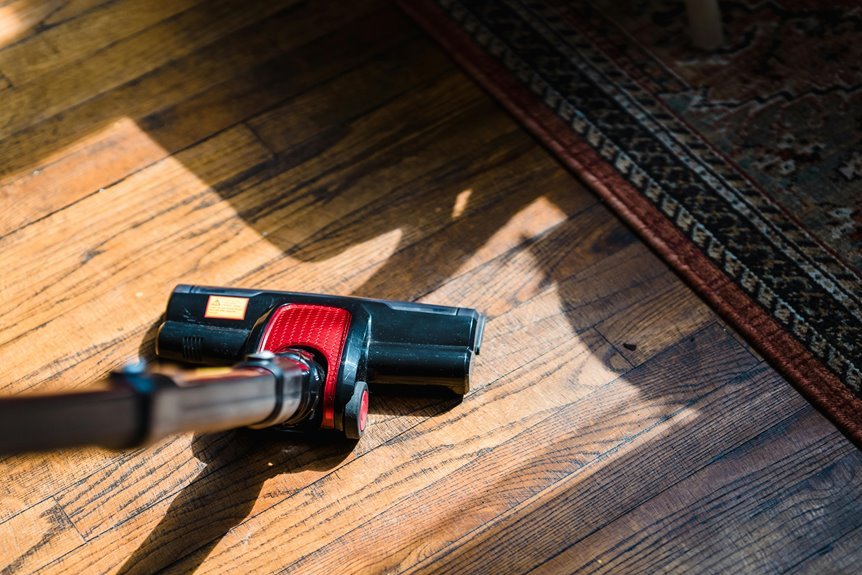

Like the right key for the right lock, the right vacuum attachment helps you clean areas a standard head cannot reach. It saves time, removes more dust, and protects surfaces at the same time. Crevice tools pull dirt from tight edges, brushes work well on delicate areas, and upholstery tools lift stubborn pet hair. Once you see how each one improves your results, you will understand why your vacuum may have been working harder than necessary.
What Do Vacuum Attachments Actually Do?
How do vacuum attachments actually help you clean better? They make your vacuum more effective throughout your home, so you can clean more efficiently and handle different types of mess with less effort. Each attachment is designed for a specific purpose, helping you target dust, crumbs, lint, and hair more precisely.
That matters because a standard floor head can’t do every job well.
Crevice tools reach tight edges and seams. Dusting brushes clean delicate surfaces like shelves and blinds more gently. Upholstery tools lift debris from fabric without forcing the main nozzle to do all the work. Extension wands help you reach vents, stairs, and high corners with better control.
When each tool is used for its intended job, you need fewer passes, remove more debris, and leave your space looking cleaner and better maintained every day.
Which Vacuum Attachment Fits Each Surface?
Because each surface traps dust and debris differently, the best vacuum attachment is the one that matches both the material and the type of mess. For carpets, use a brush roll or turbo tool to lift dirt and hair from the fibers. On hardwood, tile, or laminate, choose a soft-bristle floor brush to protect the finish while picking up grit.
This is where floor type matching matters most.
For couches, mattresses, and fabric chairs, use an upholstery tool to lift lint and crumbs without stressing the fabric. For blinds, shelves, and baseboards, a dusting brush gives you gentle, controlled cleaning. For corners, seams, and edges, switch to a crevice tool. When you prioritize attachment and surface compatibility, cleaning becomes easier, safer, and better suited to your home.
Why Attachments Clean Better Than One Head
You get better results when you match the attachment to the surface, because each tool is designed to lift the dirt your main head can miss.
Attachments also help you clean tight corners, edges, stairs, and high areas with greater control, so the job feels faster and less frustrating.
This helps protect delicate surfaces, capture more debris, and make your vacuum work more efficiently.
Surface-Specific Cleaning Power
While one vacuum head can handle basic messes, the right attachment delivers better results because it matches the surface instead of forcing one tool to do every job. This kind of surface matching helps you clean with more confidence, because each room in your home deserves care that fits.
Soft brushes move over wood and tile without scratching, while upholstery tools lift dust and hair from fabric without pulling or damaging the material.
Just as important, the right tool protects sensitive surfaces. You preserve finishes, fibers, and delicate materials while still removing dirt thoroughly.
That means fewer repeat passes, less wear, and a cleaner result you can feel proud of. When your vacuum adjusts to each surface, your whole space feels better cared for, and you feel more at home in it every day.
Better Reach And Precision
As dust hides in corners, seams, and along edges, one standard vacuum head can only do so much. With the right attachment, you can reach the places your main nozzle misses, so your home feels truly cared for. Crevice tools give you narrow access behind cushions, along baseboards, and beside appliances where buildup tends to settle.
That extra reach also improves precision. Instead of pushing debris around, you can target it directly and lift it out with fewer passes. Extension wands help you clean vents, stairs, and curtain tops without awkward stretching. Angled tools direct suction into tight spots, so you stay in control.
As you move from open floors to narrow edges, each attachment helps you clean with confidence. You no longer have to miss concealed messes, and that feels good.
How Crevice Vacuum Attachments Reach Hidden Dust
When you use a crevice attachment, you can clean tight spaces that your main vacuum head can’t reach. It removes hidden dust from corners, seams, and gaps along baseboards, helping you clean areas that are often overlooked.
As you move along edges, you get more precise cleaning with less effort and more consistent results.
Tight Spaces Access
In the narrow spaces your main vacuum head can’t reach, a crevice attachment does the quiet but critical work of pulling out dust from corners, seams, baseboard gaps, and along furniture edges. Its slim shape lets you guide suction into tight corners and concealed gaps without bumping walls or moving heavy pieces.
That matters because you want every room to feel truly cared for, not just surface clean. As you move along trim, between cushions, under radiators, and beside appliances, the tool follows your hand with control and purpose.
You can clean the spots that often make a space feel unfinished. It also helps around bed frames, window tracks, stair edges, and car seats, where bulkier heads can’t reach. With the right attachment, you don’t have to force the vacuum. You simply reach more of your home.
Hidden Dust Removal
Even though a room looks clean, dust often hides deep along baseboard gaps, cushion seams, window tracks, and the edges behind furniture. That’s where a crevice vacuum attachment really helps. Its slim shape directs suction into spots your main floor head can’t reach, so you remove concealed dust buildup instead of cleaning around it.
That matters because small spaces often trap allergens, crumbs, lint, and hidden debris that collect over time. When you guide the crevice tool slowly, you pull out what your home has been holding onto and create a fresher space everyone can enjoy.
You don’t need extra effort, just the right reach. In busy homes, this attachment helps you care for overlooked areas, so your cleaning feels more complete, welcoming, and truly shared every day.
Precision Edge Cleaning
Because dust settles where two surfaces meet, a crevice vacuum attachment gives you the narrow, focused reach that standard floor heads can’t match. You can guide it along baseboards, under trim, beside appliances, and into sofa seams where concealed grit tends to collect.
That precision matters because your home feels better once edge detailing and corner dusting are actually finished, not rushed. As you move from room to room, the slim nozzle pulls debris from tight joints and edges without scattering it.
It also requires fewer passes, so you save time and still get a cleaner result. In shared spaces, those small details help everything look cared for and welcoming. You don’t have to wonder whether dust is still hidden there. You can reach it, remove it, and leave each edge noticeably fresher.
Why Brush Vacuum Attachments Protect Delicate Surfaces
When you clean delicate surfaces, a brush vacuum attachment gives you greater control and reduces the risk of damage. You can guide suction gently across wood, blinds, lampshades, and trim, so your home stays cared for and free from scuffs. That matters whenever you want every room to feel welcoming and well kept.
- Soft bristles cushion contact, so finishes stay smooth and polished.
- Surface protection improves because bristles spread pressure instead of pressing hard plastic against fragile areas.
- Dust lifts more easily from grooves and edges, which means you can clean thoroughly without harsh scrubbing.
- You gain confidence when cleaning shelves, frames, and décor, and that confidence helps your space feel truly yours.
Because the brush handles the gentle work, you protect treasured surfaces while still getting the tidy, comfortable results your household deserves.
How Upholstery Tools Remove More Pet Hair
If pet hair clings to every cushion and chair no matter how often you vacuum, an upholstery tool can make a noticeable difference. It grips loose strands, lifts embedded hair, and reaches into fabric fibers without harsh scraping, so your furniture feels fresh and inviting again.
| Feature | How it helps | What you notice |
|---|---|---|
| Wide mouth | Covers cushions quickly | Fewer passes |
| Brush strip | Loosens trapped hair | Better pickup |
| Narrow edge | Reaches seams | Cleaner corners |
| Gentle contact | Protects fabric fibers | Less wear |
This matters because you want a home that feels shared, comfortable, and truly clean for everyone. Instead of pushing hair around, the tool lifts it so suction can remove it. You get tidier seats, softer surfaces, and less fur left behind each week.
Which Vacuum Attachments Work Best on Stairs?
What works best on stairs depends on the stair surface, but in most homes, a combination of an upholstery tool, a crevice tool, and a flexible hose offers the best control. You’ll feel steadier and more confident when each step has the right tool, especially if stair safety is part of your routine.
- Use an upholstery tool on carpeted treads to lift hair, lint, and dust gently.
- Switch to a crevice tool for corners, riser edges, and along trim where debris collects.
- Add a flexible hose for better reach, easier angles, and more portable cleaning on tight stairways.
- Choose a soft brush on delicate wood steps to protect the finish while removing fine dust.
With the right setup, your stairs will feel cleaner, safer, and more welcoming for everyone at home.
How Vacuum Attachments Speed Up Cleaning
Because each attachment is designed for a specific mess and surface, you clean faster with fewer passes and less backtracking. When you switch from a wide floor head to a crevice tool, dusting brush, or upholstery nozzle, you reach the dirt immediately instead of returning to it later. That kind of efficient attachment use makes the entire routine feel easier.
Just as important, you maintain momentum throughout the job. You move from floors to shelves, stairs, corners, and furniture without stopping to grab extra cleaning tools. A soft brush handles delicate areas, while a narrow tool clears edges and seams in a single pass.
As a result, you get faster room cleanup and more thorough pickup in the spaces people notice most. It’s satisfying to know your home looks well cared for, and that you cleaned it efficiently.
Vacuum Attachment Mistakes to Avoid
While the right attachment can make cleaning feel almost effortless, the wrong one can slow you down, leave dirt behind, and wear down the surfaces you want to protect. To clean with confidence, avoid these common mistakes many households make.
- Using one tool for every job. Floors, furniture, and tight corners each need the right attachment.
- Ignoring attachment compatibility. A poor fit can reduce suction, wobble during use, and put unnecessary strain on your vacuum.
- Skipping maintenance. Hair, dust, and lint can clog brushes and hoses, which forces your vacuum to work harder than necessary.
- Pressing too hard on delicate surfaces. Soft brushes and upholstery tools help protect finishes, fabrics, and trim.
When you choose carefully, you aren’t just cleaning more effectively. You’re caring for your home the way people who truly value it do.
Frequently Asked Questions
How Often Should Vacuum Attachments Be Cleaned or Replaced?
You should clean vacuum attachments monthly, or sooner if buildup appears. Lost suction from dirty attachments is a real issue. Follow a consistent attachment cleaning schedule, and replace attachments when bristles wear down, cracks appear, or the fit becomes loose.
Are Vacuum Attachments Universal Across Different Vacuum Brands?
No, vacuum attachments are not universal across all brands. Check brand compatibility, connector size, and any adapter requirements before buying or using an attachment. Matching tools correctly helps maintain vacuum performance and keeps your cleaning routine efficient.
Can Old or Damaged Attachments Reduce Suction Performance?
Yes, old or damaged attachments can reduce suction performance. If you notice signs of suction loss, attachment wear may also be contributing to the problem. Replacing cracked, clogged, or loose tools can help restore stronger airflow.
Which Attachments Are Safest for Cleaning Cars?
The safest attachments for cleaning cars are a soft dusting brush, an upholstery tool, a flexible hose, and a crevice tool. These help protect interior surfaces and delicate trim, and they let you reach tight spaces without scratching panels or fabrics.
How Should Vacuum Attachments Be Stored Between Uses?
Store your vacuum attachments like teammates in a clubhouse. Use wall mounted storage for quick access, keep smaller tools in labeled bins, and make sure each piece is clean and dry before storing it, so you protect performance and stay organized.
