
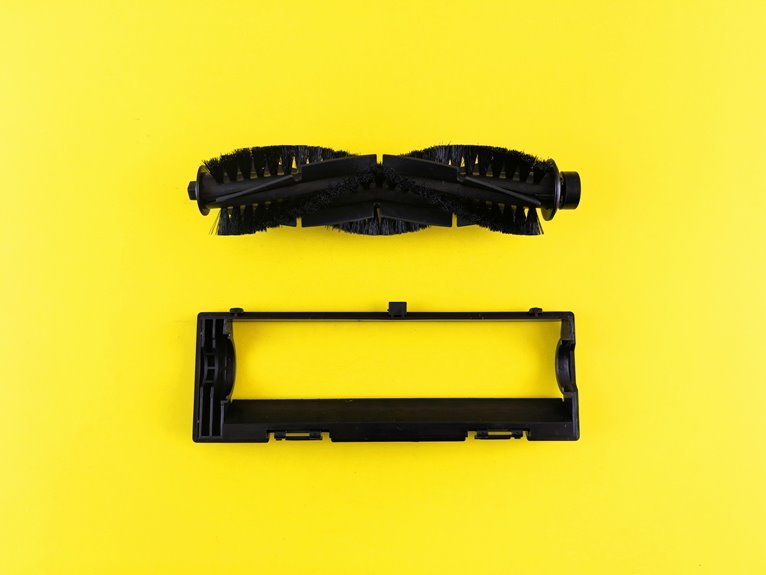

Like a knight trying to breathe through a visor packed with dust, your vacuum cannot perform well when the filter is clogged. As dirt, lint, pet hair, and fine particles build up, suction drops, dust can recirculate into the room, and the motor faces added strain. This leads to more cleaning passes, stale odors, and less effective results on your floors. That is why it is more important than you might think to recognize the warning signs and replace the filter at the right time.
Why Vacuum Cleaner Filters Get Clogged
Because your vacuum pulls in a huge mix of dust, lint, pet hair, and tiny particles every time you clean, the filter slowly gets packed with debris until air can’t move through it well. As that layer thickens, filter clog buildup forms faster than many people expect, especially in busy homes where everyone shares the same floors, rugs, and furniture.
That matters because your filter’s job is to catch the fine material your vacuum lifts. Whenever you vacuum often, clean large carpeted rooms, or live with pets, more particles collect in less time. Dusty air and heavy foot traffic add even more strain. As part of basic vacuum maintenance, you should know that washable filters still trap residue between cleanings, and disposable ones can fill up quickly in an active household.
Signs Your Vacuum Filter Needs Replacement
You’ll often notice the first warning signs in how your vacuum smells and performs.
If suction drops and dirt takes more passes to pick up, your filter may be clogged and restricting airflow.
If a musty odor starts blowing out while you clean, your vacuum is likely telling you it’s time for a fresh filter.
Reduced Suction Power
When your vacuum suddenly seems weak, the filter is often the first place to check. When dust builds up in the filter, air can’t move freely, so your machine loses the suction you rely on. You might notice crumbs left behind, carpets looking dull, or cleaning taking longer than usual.
This drop in power is more than an inconvenience. It means your vacuum is working harder because of blocked airflow. Start with simple suction diagnostics, then perform basic airflow testing if your model allows it. If the filter looks gray, clogged, or warped, replacing it will usually restore strong, steady cleaning performance.
Changing it on time helps your vacuum work efficiently and keeps your cleaning routine easy, reliable, and consistent for everyone.
Musty Odor Buildup
As a vacuum starts to smell musty during use, the filter is often holding trapped dust, damp particles, and old debris that it can no longer contain effectively. As that buildup sits, it creates stale odors that spread through your home each time you clean.
You deserve a space that feels fresh and welcoming, not one that smells like yesterday’s dirt. A worn filter loses its ability to absorb odors, so trapped grime starts sending unpleasant smells back into the air. If you notice that musty odor lingering after vacuuming, your filter may be clogged, saturated, or simply too old to work properly. Replacing it helps your vacuum capture messes effectively again, supports better indoor air quality, and helps your home feel clean, comfortable, and well cared for every day.
How a Dirty Vacuum Filter Reduces Suction
Because a vacuum depends on steady airflow to lift dirt, a dirty filter can restrict that airflow and cause suction to drop quickly.
As dust builds up in the filter, airflow resistance increases, so your vacuum can’t remove debris from floors, rugs, and corners as effectively as it should.
This change affects more than cleaning performance. It can also strain the motor because the machine has to work harder to move air through a clogged passage.
You may notice weaker pickup, debris left behind, or a vacuum that sounds worn out. In busy homes, that can be frustrating when you’re trying to keep shared spaces clean and inviting.
A clean filter helps your vacuum maintain strong performance, so you can care for your home with less effort and trust that your cleaning routine is working every time.
How Your Vacuum Filter Affects Air Quality
Your vacuum filter helps protect indoor air by trapping fine dust before it recirculates into the room.
It also reduces airborne allergens, which is especially important for households affected by allergies or asthma.
Replacing the filter on time keeps exhaust cleaner and helps your home feel fresher after each use.
Trapping Fine Dust
Even if your floors look clean, a worn or clogged vacuum filter can still release fine dust and allergens back into the air. A fresh filter improves dust capture and particle retention, so your vacuum keeps tiny debris contained instead of letting it pass through.
This matters because fine dust settles deep into rugs, corners, and fabric, where it’s easy to miss.
As you clean, your vacuum should pull in those particles and keep them trapped. If the filter is packed with buildup, airflow drops and suction weakens. More powdery residue can then move through the system or escape through the vents.
Replacing the filter on time helps your vacuum clean more thoroughly, keeps shared spaces feeling fresher, and makes each pass more effective for everyone at home.
Reducing Airborne Allergens
Clean floors matter, but cleaner air matters too, especially when allergies turn a normal day into a sneezy mess.
When your vacuum filter is fresh, it catches more pollen, pet dander, and dust before they drift back into your indoor air. That means you can breathe easier and feel more at home in your space.
A worn filter weakens allergy control because it can’t hold the tiny particles that trigger stuffy noses and itchy eyes.
With a strong filter, you help protect the people you love by keeping more irritants trapped where they belong.
- It captures fine allergens before they spread
- It supports healthier indoor air during cleaning
- It helps your home feel calmer and more comfortable
When your household wants cleaner breathing and a cozier routine, replacing the filter helps keep everyone more comfortable.
Maintaining Clean Exhaust
Because the filter sits between the dirt you pick up and the air your vacuum sends back out, it directly affects how fresh your room feels after cleaning. When the filter is clean, it helps keep more dust, dander, and fine particles from returning to the shared spaces your family uses every day.
This connection matters for exhaust hygiene and vent cleanliness. As the filter fills, airflow drops, and your vacuum may push stale odors and tiny debris through the exhaust. The room can feel stuffy instead of refreshed.
Replacing a worn filter on time helps your vacuum release cleaner air, supports the comfort of the people around you, and keeps your home feeling welcoming. It’s a small maintenance step, but it can help everyone breathe easier and feel more comfortable each day.
When to Replace Vacuum Cleaner Filters
Usually, your vacuum filter needs replacement when you notice weaker suction, musty odors, more motor noise, or dust blowing back into the room. These signs show that the filter is reaching the end of its lifespan, even if the vacuum still runs. To stay on schedule, check your model’s replacement guidelines and inspect the filter monthly, especially if your home has pets, carpets, or heavy foot traffic.
- Replace foam, felt, or paper filters every 3 to 6 months in most homes.
- Change HEPA or carbon filters about every 6 to 12 months, depending on use.
- Replace filters sooner if you vacuum often, clean dusty areas, or notice discoloration.
When you replace filters on time, your vacuum performs more reliably, and your home care routine stays easier to manage.
What Happens If You Never Replace Vacuum Filters
If you never replace your vacuum filter, the problem doesn’t stay inside the machine for long. Airflow drops, suction fades, and your vacuum starts leaving behind the mess your household depends on it to handle. As dust builds up, fine particles and allergens can blow back into the room, so the air feels less fresh and your space never feels fully clean.
That strain also forces the vacuum to work harder. Soon, you may notice louder motor noise, unpleasant smells, and signs of overheating during normal use. If you wait too long, the risk of motor damage increases because clogged filters restrict the system day after day.
Your tools should support your routine, not undermine it. Replacing filters on time helps your vacuum stay reliable, efficient, and ready for everyday use.
Frequently Asked Questions
Can I Wash Every Vacuum Cleaner Filter Safely?
No, you cannot wash every vacuum cleaner filter safely. Check the filter material and the manufacturer’s guidance, because cleaning methods vary. Washable filters can usually be rinsed, but paper, carbon, and many HEPA filters cannot.
Do Aftermarket Vacuum Filters Work as Well as Original Ones?
Often, but not always, you will get similar results when aftermarket filters match OEM filter material and fit precisely. Since many filters need replacing every 3 to 6 months, you can protect suction performance by choosing trusted brands your community recommends.
How Do I Find the Correct Filter for My Vacuum?
Check your vacuum’s model number in the manual or on the label, then confirm model compatibility and filter dimensions before you buy. Choose manufacturer approved or clearly cross referenced replacements to ensure a proper fit.
Can Replacing a Filter Reduce Vacuum Cleaner Noise?
Yes, replacing a clogged filter can reduce vacuum cleaner noise. Improved airflow and suction help ease motor strain, which allows the vacuum to run more smoothly and reliably.
Should I Keep Spare Vacuum Filters at Home?
Yes, you should keep spare vacuum filters at home because you’ll be prepared whenever performance drops. Proper filter storage protects them, and having backups on hand helps you maintain cleaner floors, fresher air, and a smoothly running vacuum.
