
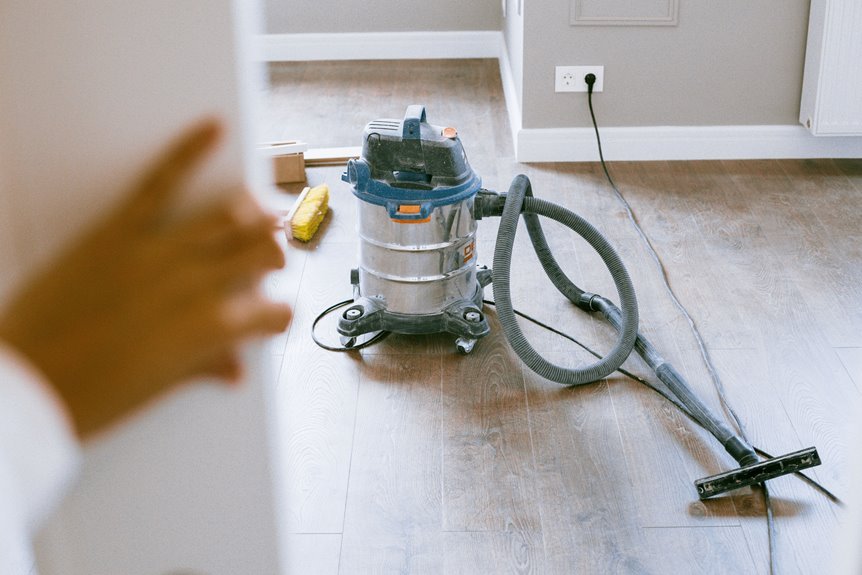

You vacuum, but dust still returns because your home constantly creates and moves tiny particles throughout the day. Carpets, bedding, clothing, pets, and even your own skin add more, while airflow from vents, small gaps, and everyday foot traffic keeps lifting it back into the air. If your vacuum leaks or has a weak filter, it may release fine dust back into the room. That is frustrating, but once you understand where dust comes from, the pattern starts to make sense.
Why Dust Returns After Vacuuming
Even after you vacuum, dust can come back quickly because cleaning only removes part of what’s already there, while new particles keep drifting in. That can feel frustrating, especially whenever you want your home to feel fresh, calm, and welcoming for everyone in it.
What is happening is simple. Vacuuming removes a lot, but not all, of the fine material around you. As you move, fabrics shift, air flows, and tiny particles stay suspended before dust begins settling again.
At the same time, cleaning order issues can undo your effort. Whenever you vacuum first and disturb higher surfaces later, dust falls right back onto the floor. Fast passes can also stir particles instead of trapping them. So whenever dust returns quickly, you aren’t failing. Your space is reacting to constant movement around you.
The Main Reasons Dust Builds Up Fast
Because dust comes from several sources at the same time, it can build up again faster than you expect. Even when you vacuum thoroughly, tiny particles continue settling from fabrics, rugs, pet fur, and the skin flakes people shed each day. That doesn’t mean you’re doing anything wrong. You’re dealing with active dust sources throughout your home.
Your cleaning habits also affect how quickly dust returns. When you clean too quickly, use dry tools, or vacuum floors before higher surfaces, you can send fine debris back into the air. It then settles again on tables, shelves, and floors where your family spends time.
Soft furniture continues releasing fibers, and open doors or windows allow more grit to drift inside. When you understand these patterns, you can clean with more confidence and feel more in control each day.
How Your HVAC System Spreads Dust
While your vacuum might work hard, your HVAC system can keep dust moving through the room long after you finish cleaning. As air cycles on, it pushes loose particles off shelves, floors, and fabric, then carries them across the space. That means your home can feel like it’s working against you, even when you’re doing your part.
As that airflow continues, dust from vents can blow out and settle on surfaces you just cleaned. In some homes, duct contamination adds even more particles to the airstream, especially when the ducts contain old debris.
Supply vents spread that material from room to room, so dust doesn’t stay in one place. If certain spots get dusty faster, air movement patterns may be the reason. You’re not imagining it.
Your system can quietly keep the dust cycle going every day.
How Dirty HVAC Filters Recirculate Dust
As your HVAC filter gets dirty, it loses its ability to capture fine dust effectively, so those particles continue circulating through your home instead of staying trapped. Each time the system runs, you may breathe in the same dust again, even after vacuuming carefully.
This is where dirty filter bypass becomes a serious issue. Instead of capturing tiny debris, the filter allows some particles to pass through and reenter the air in your home. When HVAC return contamination builds up, the system can draw in dust from vents and living spaces, then send it back out again.
You aren’t doing anything wrong. Your home simply needs the routine support that every busy household requires. By changing filters on time and checking that they fit properly, you help your space feel cleaner, calmer, and more comfortable for everyone inside.
How Leaky Windows and Doors Bring In Dust
Even though you vacuum thoroughly, leaky windows and doors can draw fresh dust into your home throughout the day. When small openings form around frames, air moves inside and carries grit, pollen, and soil with it. You may clean in the morning, then notice a thin layer of dust by evening because outdoor drafts continue bringing new particles into your rooms.
That is why minor leaks matter more than they appear to. Gaps in weatherstripping around entry doors, sliding doors, and older windows allow outside air to enter whenever pressure shifts. If your home feels slightly breezy, dust may be moving in with that airflow as well. Sealing those areas helps protect the space you have worked hard to make comfortable. You deserve a home that feels cared for, welcoming, and easier to keep clean each day.
How Fabrics and Carpets Create Household Dust
Because fabrics shed a little throughout the day, your carpets, rugs, curtains, and furniture can keep adding fresh dust even right after you vacuum.
Even in a well cared for home, fabric shedding happens as fibers loosen through everyday use. Those tiny particles settle quickly, so it can seem like dust returns out of nowhere.
This same cycle continues with carpet fiber wear, especially in the areas where your family walks, sits, and spends the most time.
- Foot traffic breaks carpet fibers down into dust
- Upholstery releases lint whenever someone sits down
- Blankets and throws shed during daily use
- Curtains release fibers whenever air moves through the room
- Older rugs wear down more quickly and shed more
You aren’t doing anything wrong. Soft surfaces naturally create ongoing particles, and that’s a normal part of living in a comfortable, welcoming home.
How Pet Dander Adds to Household Dust
Soft surfaces are not the only reason dust seems to return so quickly. If you live with pets, you also share your home with tiny skin flakes called dander. These flakes cling to bedding, drift through rooms, and mix with hair, tracked-in dirt, and fabric fibers. As a result, dust can build up faster and allergy triggers may increase for everyone.
| Source | What it does |
|---|---|
| Pet skin flakes | Float through the air and settle on surfaces |
| Fur and feathers | Carry dander from room to room |
| Beds and couches | Trap dander and release it over time |
| Grooming habits | Send particles into the air |
If you want your space to feel welcoming, controlling pet dander is important. Brush pets regularly, wash their bedding, and clean their favorite spots gently. These steps can help your home feel fresher, calmer, and easier for everyone to enjoy each day.
How Your Vacuum Can Release Dust Back Out
Your vacuum can actually send dust back into the room whenever a worn filter stops catching fine particles.
If the seals or lid don’t fit tightly, air leaks can push that dust right back out while you clean.
That means you aren’t imagining it when dust shows up again so quickly.
Worn Filter Blowback
Even if your floors look clean at first, a worn or poorly fitted vacuum filter can send fine dust back into the room. Once the filter starts to deteriorate, your vacuum can no longer trap the smallest particles effectively. Instead, those particles move through the exhaust and settle in the spaces where you live, relax, and spend time with the people who matter most.
That is why it’s important to check the filter before blaming your cleaning routine.
Watch for signs like these:
- musty exhaust odor
- visible dust puffing out
- weak suction during passes
- gray film returning quickly
- a filter that looks warped
If a filter loses its shape or clogs unevenly, airflow bypass can occur inside the machine. When that happens, your vacuum recirculates the material you wanted removed.
To keep your home feeling properly cared for, replace or wash filters regularly, exactly as your vacuum’s guide recommends.
Poor Seal Leakage
A worn filter isn’t the only reason dust sneaks back into the room. Whenever your vacuum loses seal integrity, dusty air slips through small gaps instead of staying trapped. You are not doing anything wrong. This happens in many homes, especially when canisters, bins, or lids do not sit flush. Even minor gasket leakage can send fine dust back into the areas where your family gathers.
| Spot | What happens | What you can do |
|---|---|---|
| Dust bin lid | Air leaks out | Reseat it firmly |
| Hose joint | Fine dust escapes | Tighten connections |
| Filter frame | Dust bypasses the media | Check alignment |
| Body gasket | Seal wears down | Replace the gasket |
That is why checking every connection matters. When parts fit snugly, your vacuum works with you, not against you, and your space feels cleaner, calmer, and safer.
How to Keep Dust Down Longer
Dust stays away longer when you stop treating vacuuming as the entire job and start controlling what brings new particles back into the room. You get better results when you clean from top to bottom, vacuum slowly, and keep filters, bags, and hoses clear. Your space stays fresh longer, and it feels more comfortable day to day.
- Wash soft items regularly to reduce fabric fibers.
- Place air purifiers effectively so drifting dust gets trapped sooner.
- Control humidity so fine particles don’t stay airborne as long.
- Keep windows closed on windy days and seal gaps that let outdoor dust in.
- Dust with a damp cloth before vacuuming so particles leave instead of settling again.
Small habits work together, and your room supports you better every day.
Frequently Asked Questions
Can Indoor Plants Help Reduce Household Dust Naturally?
Yes, indoor plants can help a little. Plant leaf surfaces may catch some floating dust particles. They can modestly improve indoor air quality, but you should not rely on plants alone. Pair them with regular dusting for the best results.
Does Hard Water Residue Make Surfaces Seem Dusty Again?
Yes, hard water residue can make surfaces look dusty again because it leaves behind a chalky haze. You will get better results when you pair vacuuming with residue cleanup, so your home feels truly fresh.
Can Air Purifiers Replace Vacuuming for Dust Control?
No, you cannot rely on air purifiers alone. Air purifier limitations mean they capture airborne particles, while filtration versus vacuuming makes clear that you still need vacuuming to remove settled dust, fibers, and debris, so your space feels cared for.
Why Does Dust Look Worse in Morning Sunlight?
Morning sunlight makes dust look worse because low-angle light highlights airborne particles and surface debris, increasing contrast and making dust easier to see. Your room is not suddenly dirtier, you are simply noticing what midday light tends to conceal.
Do Humidifiers Help Dust Settle More Quickly?
Yes, humidifiers often help because humidity and dust interact, causing particles to settle faster instead of remaining airborne. However, you cannot rely on humidity alone; you still need good filtration, careful cleaning, and controlled airflow.
