
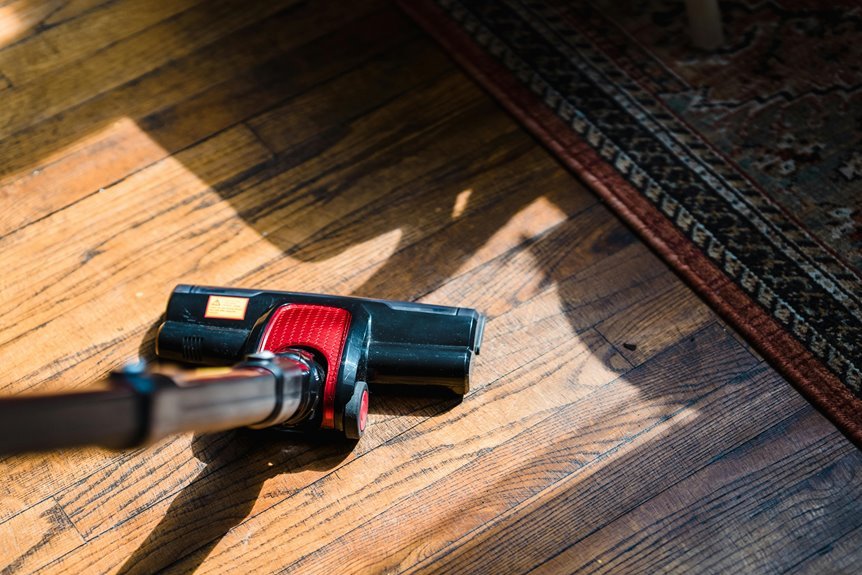

You may believe vacuuming always helps your floors, but the wrong setting, attachment, or habit can quietly wear them down. A spinning brush can scratch wood, packed wheels can drag grit across laminate, and too much force can rough up tile and grout. Even carpet can thin out when you clean it the wrong way. Once you see how these small mistakes add up, your routine starts to look very different.
The Biggest Vacuuming Mistakes by Floor Type
Because every floor reacts differently to suction, brushes, and height settings, one of the biggest vacuuming mistakes is treating your whole home as if every surface is the same. Ignoring floor type differences can scratch wood, scatter grit across tile, or leave debris trapped in carpet. That’s frustrating, especially when you’re trying to keep your home clean and welcoming.
Instead, match your attachment to the room you’re cleaning. Use surface specific tools, such as a soft brush on wood and a brush roll on carpet. Use crevice and edge tools for corners, baseboards, and grooves where dirt tends to collect.
This simple adjustment helps you clean more carefully and with less stress. In a home with multiple floor types, changing tools isn’t fussy. It’s a practical way to protect the spaces that help everyone feel at home each day.
Using the Wrong Vacuum Height or Mode
Using the wrong vacuum height can cause the head to drag across the floor or leave dirt behind.
Using the wrong surface mode can scratch hard floors or reduce pickup on carpet.
Adjust the height and mode each time you move from one floor type to another.
Improper Height Settings
While it’s easy to leave your vacuum on one setting and keep moving, the wrong height or floor mode can damage your floors. If your vacuum sits too low, it can drag, grind grit into the surface, and wear down delicate finishes. If it rides too high, it loses suction and leaves dirt behind for your family to track through the room.
That’s why height adjustment matters more than many people realize. The right floor clearance helps your vacuum glide smoothly, protect fibers, and lift debris without scraping.
Whenever you move from a thick rug to a low pile carpet, or from carpet to a bare surface, pause and reset the height. It’s a small step, but it helps you care for your home with confidence and keep every room looking clean and welcoming.
Incorrect Surface Mode
Even with a strong vacuum, the wrong surface mode can quietly work against you and your floors. When you move from carpet to wood without changing the settings, you may place more stress on the surface than you realize. Brush rolls can scratch hard floors, while bare-floor mode allows gentler cleaning and still removes dust effectively.
That is why surface mode selection matters in a shared home with multiple floor types. Use carpet mode for deeper fiber cleaning, and switch to hard-floor mode whenever the surface changes. Check the floor mode indicator before entering each room, especially near rugs, tile, or hardwood transitions. If your vacuum offers height control, adjust that setting as well. These small changes help protect the floors you care for and keep your home looking well maintained.
Letting Grit Sit Too Long Before Vacuuming
When grit sits on your floors, it acts like sandpaper and can scratch the finish with every step.
If you wait too long to vacuum, that dirt gets pushed deeper into carpet fibers and becomes much harder to remove.
Clean up grit promptly, before it causes damage you may not notice right away.
Grit Scratches Surface Finishes
When grit sits on your floors for days, it does more than look messy, it acts like sandpaper with every step. As people walk across the surface, tiny particles grind into the finish and leave behind dull, shallow scratches. This kind of buildup is easy to overlook, especially in busy rooms where people gather and move quickly.
- Entryways collect the most grit from shoes and pets.
- Hallways wear down faster because foot traffic keeps pressing particles into the floor.
- Wood and laminate surfaces show scuffs sooner than many people expect.
- Even small crumbs can drag across the surface and leave marks in delicate areas.
That is why floors can start to look worn earlier than expected.
When you remove loose dirt regularly, you help protect the finish and keep your home looking clean, welcoming, and well cared for for the people who use it every day.
Delayed Vacuuming Risks
Because grit keeps working against your floors long after it lands, waiting too long to vacuum gives those tiny particles more time to scratch, dull, and wear down the surface. Every step presses that debris deeper into the finish, so the damage builds quietly even while your home still looks fine.
That is why your vacuuming schedule matters more than many people realize.
When you stay consistent, you protect the rooms that bring people together and help your floors maintain their welcoming appearance. In busy areas, even a short delay can increase wear, especially near entrances and main walkways.
Pair regular vacuuming with smart post vacuum cleanup, so leftover dust doesn’t get tracked back across the surface.
You aren’t being fussy. You’re caring for the shared spaces that make home feel warm, safe, and lived in.
Dirt Traps In Fibers
Even after the surface looks fairly clean, grit can stay buried in carpet fibers and rug loops, where it acts like sandpaper under your feet. If you wait too long to vacuum, trapped debris holds sharp particles that grind against the yarns each time someone walks across the floor. That hidden friction can dull color, flatten texture, and create worn paths sooner than expected.
- In busy rooms, crumbs can sink deep before you notice them.
- Pet paws press dust farther into soft fibers.
- Shoes track in grit that can make cozy rugs feel rough.
- Deep carpet debris can remain even after foot traffic slows down.
Regular vacuuming helps your home feel cared for and welcoming. It protects the soft surfaces where people gather and helps keep your floors looking warm, shared, and comfortable for everyday life.
Skipping Vacuum Maintenance for Too Long
While it’s easy to keep vacuuming and tell yourself you’ll clean the machine later, delaying maintenance for too long can quietly affect both your vacuum and your floors. As filters clog and suction drops, your vacuum becomes less effective at lifting grit. Instead, it may pull particles across the surface, which can gradually add wear.
Overfilled bags and bins can also cause problems. When debris builds up too much, airflow weakens, pickup becomes uneven, and you may need extra passes that put more stress on carpet fibers and leave hard floors less clean.
To keep your home looking well cared for, check filters regularly, empty the bin before it becomes too full, replace bags on time, and clear hose clogs. Simple upkeep helps your vacuum stay reliable, so your floors get the consistent care they need.
Vacuuming With Dirty or Worn Wheels
If you vacuum with dirty wheels, you may drag grit across the floor and leave scratches behind. Worn wheels can also leave scuffs or streaks, especially on smooth surfaces such as wood or tile.
As a result, your vacuum could be damaging your floors while you’re trying to clean them.
Wheel Dirt Scratches Floors
Before you blame the floor itself, check your vacuum’s wheels. Dirty or worn wheels can leave scratches, scuffs, and dull tracks with every pass. Tiny grit sticks to the rollers and acts like sandpaper, especially on wood, vinyl, and laminate. That’s often how floor wheel marks start, and you aren’t alone if you missed it.
- Hair, dust, and dirty caster buildup can cling underneath
- Grit gets pressed down harder as you push and turn
- Damp residue can smear and leave cloudy streaks
- A quick wipe helps keep your vacuum floor friendly again
That is why wheel care matters just as much as suction. It helps protect your floors and keeps your home looking cared for.
Check the wheels often, wipe away debris, and remove trapped lint before you vacuum so every room feels welcoming, clean, and truly yours.
Worn Wheels Leave Marks
Even if your vacuum still has strong suction, worn or dirty wheels can leave ugly marks and quietly damage your floors. When grit sticks to the wheels, it acts like sandpaper with every turn. Over time, you may notice wheel marks, faint streaks, or deeper scuffs that make your home feel less cared for than it is.
That is why a quick wheel check matters before you start cleaning. Turn the vacuum over, wipe away hair, dust, and stuck debris, and inspect the wheels for cracked rubber or flat spots. If the wheels wobble, drag, or feel rough, replace them before they scratch wood, vinyl, or laminate.
You deserve floors that look welcoming, and this small habit helps protect the spaces that bring everyone together. It helps keep every room feeling warm, clean, and well cared for.
Dragging a Vacuum Across Hard Floors
While it may seem harmless, dragging a vacuum across hard floors can leave scratches, scuffs, and dull streaks that are difficult to remove. When you pull or twist it carelessly, grit under the head can work like sandpaper. Your clean home can end up with marks you never wanted.
A better approach helps keep your floors looking cared for and inviting. With better control, you guide the vacuum instead of letting it bump into surfaces and scrape across them.
- Lift slightly when turning instead of yanking
- Keep the head flat and aligned with your path
- Check for trapped grit before moving again
- Move slowly so you stay in control
You deserve floors that look as polished as the rest of your home. Small handling changes can help protect them every day.
Using a Beater Bar on Hardwood
Because hardwood may look durable, it can scratch more easily than many people expect. A beater bar can cause damage quickly. The spinning bristles push grit against the surface, and that friction increases the risk of scratches with every pass. If you vacuum frequently, the wear may build up gradually without being obvious at first.
That is why your vacuum settings and habits matter in a home you want to keep attractive and well maintained. If the brush roll stays on, a beater bar can leave dull streaks, fine lines, and worn areas in the spots your family uses most.
Your floors should look cared for, not scuffed by the machine meant to clean them. Before vacuuming, switch to hard floor mode or turn the brush roll off. That simple step helps protect the wood and preserve the look of your space.
Using the Wrong Attachment on Delicate Floors
Should your floors be delicate, the attachment you use on the vacuum matters more than most people realize. The wrong head can scratch the surface, scatter grit, or miss dust that should have been picked up. In a home like yours, small choices help every room feel cared for and welcoming.
- Choose a soft brush for wood, laminate, or other gentle surfaces.
- Save rotating heads for carpet, where they lift fibers instead of scraping the floor.
- Use a crevice tool along baseboards, corners, and grooves where dust tends to hide.
- Switch tools as you move from room to room, because one setup rarely works for every surface.
That quick attachment change helps you clean with confidence. You protect the finish, remove debris more completely, and keep your shared space looking the way everyone loves.
Going Too Hard on Tile and Grout
Even though tile seems tough, using too much pressure with your vacuum can wear down grout lines and drag grit across the surface instead of lifting it away. When you press too hard, you don’t just move dirt around. You can also scratch the finish and loosen the sandy material that helps grout stay strong.
That matters because grout erosion often starts small, then grows into a problem your whole home can feel.
Instead of forcing the vacuum forward, guide it with light, steady passes and let suction do the work. When debris is gritty, slow down so particles lift instead of scrape. Pay close attention along grout lines, where rough movement causes the most wear. A gentler approach helps protect the clean, welcoming feel people notice when your floors look cared for and calm.
Vacuuming Habits That Damage Laminate Floors
While laminate floors look durable, they can scratch or lose their finish more quickly than many people expect when vacuuming habits aren’t floor safe. To help your home stay well cared for, use the right laminate vacuum settings and follow a gentle routine that supports laminate floor protection.
- Turn off the brush roll so it doesn’t scuff the surface.
- Use a soft floor attachment instead of an aggressive beater bar.
- Empty the bin and clean the filters so dirt doesn’t drag across the floor or scatter.
- Move slowly and remove grit first, because small particles can act like sandpaper.
These simple steps help protect one of the most visible surfaces in your home. When you switch tools between rooms and check your settings before you begin, you give your laminate the same level of care as the rest of your space.
How Over-Vacuuming Can Wear Down Carpet
Because carpet fibers are designed to flex, not withstand constant friction, over-vacuuming can gradually wear them down and make your carpet look older than expected. Running the vacuum over the same areas too often can lead to carpet fiber fatigue. As a result, the pile may flatten, fray, and lose its soft, inviting feel.
This is especially important in the rooms your family uses most. High-traffic areas already endure shoes, dirt, and daily foot traffic, so repeated vacuum passes can add stress rather than protection.
A balanced vacuuming routine helps keep carpet clean without wearing away its texture. You don’t need to vacuum every room every day to maintain your home well. In most cases, once a week is enough, while busier areas may need slightly more frequent attention to stay clean and comfortable.
Safer Vacuuming Habits for Every Floor Type
Since every floor reacts differently to friction, heat, and pressure, safer vacuuming starts with matching your machine to the surface beneath it. To protect floors, switch off the brush roll on wood, tile, and vinyl, and use it on carpet where fibers need lift. You also protect your home when you move slowly, overlap passes, and empty the bin before suction drops.
- Use soft brushes on hard floors for safe cleaning.
- Turn on bare-floor or height settings before each room.
- Use crevice tools for corners, edges, and baseboards.
- Check filters, clogs, and tangled brushes regularly.
This simple routine helps your floors stay beautiful and helps you stay on top of maintenance.
In a multi-surface home, changing attachments isn’t fussy. It’s part of caring for each space properly.
Frequently Asked Questions
How Often Should Vacuum Filters Be Cleaned or Replaced?
Wash reusable filters monthly, and replace disposable filters according to your manual, often every 3 to 6 months. Regular filter maintenance helps preserve vacuum airflow and supports better cleaning performance.
Should I Dust Furniture Before Vacuuming the Floors?
Yes, you should dust before vacuuming the floors. Following the right furniture dusting order helps your whole space feel cleaner because dust falls downward. You can remove it afterward when you vacuum, instead of having to clean freshly vacuumed floors again.
When Should I Empty a Bagless Vacuum Bin?
You should empty your bagless vacuum bin when it is about three-quarters full, or sooner if the full-bin indicator appears or you notice signs of reduced suction. This helps your vacuum maintain strong performance and supports a cleaner home.
Why Do Slow Vacuum Passes Clean Better Than Fast Ones?
Repeated slow passes can remove up to 85% of dust and allergens because longer vacuum dwell time gives suction and brushes more time to lift carpet pile, capture embedded debris, and deliver a deeper clean, just as experienced homeowners do.
Do I Need Different Tools for Corners and Baseboards?
Yes, you do. Corner attachments and baseboard dusting tools help you clean edges, grooves, and tight spots more thoroughly. They pick up dust instead of scattering it, so your whole space feels cleaner, cared for, and more welcoming.
