
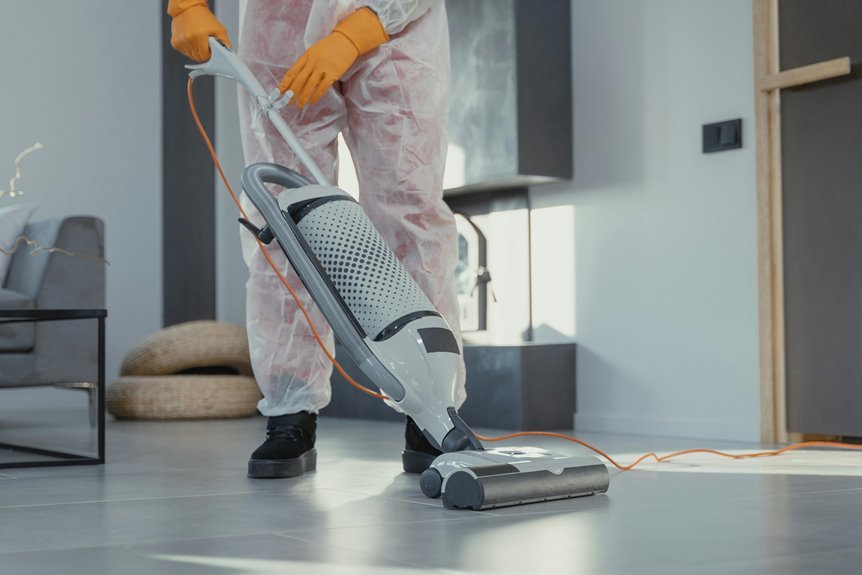

Yes, vacuuming can improve your indoor air quality because it removes dust, pet hair, dander, and pollen from the places where they collect and later circulate into the air you breathe. When you vacuum slowly and use a sealed HEPA model, you capture more of these small irritants instead of sending them back into your home. This is especially important in high traffic rooms, where floors and fabrics hold far more debris than most people realize.
Does Vacuuming Improve Indoor Air Quality?
Yes, vacuuming can improve indoor air quality because it removes dust, pet hair, dander, pollen, lint, and other small particles that settle into floors, rugs, and furniture before they return to the air you breathe.
This matters because a clean home feels safer, fresher, and more comfortable for everyone in it. Vacuuming regularly reduces the amount of particulate matter that can circulate indoors and irritate the nose, throat, and lungs.
In other words, it supports better indoor particulate control through a simple routine that helps the household breathe more easily.
Results do depend on vacuum maintenance. If filters are clogged or bags are too full, the vacuum can release particles back into the air instead of trapping them.
A clean, well maintained vacuum helps protect your space and the people in it.
Where Dust and Allergens Build Up
Dust and allergens often settle deep in carpets and rugs, where daily foot traffic presses them into the fibers.
They also cling to upholstery and curtains, so the soft surfaces you love can quietly trap pet dander, pollen, and dust.
In air vents and corners, particles collect out of sight, which means you may not notice them until they begin circulating back into the air you breathe.
Carpets And Rugs
Because carpets and rugs act like soft filters under your feet, they collect dust, pet dander, pollen, lint, and other tiny particles throughout the day, especially in busy areas where people walk, sit, and play. That means your home can feel welcoming while still hiding irritants deep below the surface.
The deeper the carpet pile, the more space particles have to settle and remain trapped until you vacuum them out. Dense fibers can hold allergens after shoes, socks, and paws track them inside.
Rugs add another layer, especially when rug fiber shedding mixes with dust and pet hair. Over time, each step can stir some of that material back into the air you share. When you vacuum regularly, you help everyone breathe easier and keep your rooms feeling fresh, cared for, and truly lived in.
Upholstery And Curtains
While floors catch most of the attention, your sofa, chairs, and curtains quietly collect dust, pet dander, pollen, lint, and other tiny particles throughout the day. When you vacuum these soft surfaces regularly, you remove buildup before it returns to the air your household breathes. This simple habit helps everyone feel more comfortable.
| Surface | What builds up | Helpful care |
|---|---|---|
| Sofa | Dander, lint | Weekly vacuum |
| Chairs | Dust, crumbs | Crevice tool |
| Curtains | Pollen, fibers | Gentle drape care |
Because fabric holds particles deep within the weave, slow passes make a difference. Use upholstery tools to lift debris without damaging the material. Regular fabric care keeps favorite spaces welcoming, clean, and easier to breathe in. If you have pets or allergies, give extra attention to cushions, seams, and folds.
Air Vents And Corners
In addition to floors and fabrics, air vents and room corners collect a surprising amount of dust, pet dander, pollen, and lint. These particles can drift back into the air as your system runs or as people move through the room.
When you vacuum these overlooked spots, you help everyone in your home breathe easier and feel more comfortable.
Focus on areas that quietly hold particles:
- Vacuum vent covers with a brush attachment to lift debris before airflow spreads it.
- Sweep up corner dust slowly, so you capture it instead of stirring it around.
- Check nearby baseboards, trim, and edges where buildup often hides.
Because these spaces can return particles to shared rooms, giving them regular attention supports cleaner air and helps your home feel cared for, welcoming, and healthier every day.
How Vacuuming Removes Airborne Irritants
When you vacuum, you remove dust particles before they continue circulating through your home and irritating your lungs.
You also lift pet dander from carpets, rugs, and furniture, which can make it easier to breathe and help keep surfaces cleaner.
As a result, allergens are less likely to recirculate through the air, making your space feel fresher and more comfortable.
Capturing Dust Particles
Because dust doesn’t stay put for long, vacuuming helps by pulling dust, dander, pollen, pet hair, and lint out of carpets, rugs, and furniture before those particles drift back into the air you breathe. That gives your home a cleaner, more welcoming feel for everyone inside.
As you vacuum, you improve dust capture and particle trapping in the areas where fine debris settles and collects.
- Carpet fibers hold tiny particles until your vacuum lifts them out
- Upholstery and rugs collect everyday dust that can rise again with movement
- Regular passes remove buildup before it spreads through shared spaces
When you clean slowly and cover high-use areas thoroughly, you remove more of what doesn’t belong. As a result, your rooms feel fresher, and your space supports the comfort, connection, and ease you want every day.
Reducing Pet Dander
Although pet dander seems small and harmless, it can quietly build up in carpets, rugs, and furniture. Then it floats back into the air with every step, shake, or hop onto the couch. If you share your home with furry family members, regular vacuuming helps create a space where everyone can breathe easier and feel comfortable together.
As you vacuum carpets, rugs, and upholstery, you lift away dander before it settles deeper into fibers. That matters because dander often clings to the places where pets nap, play, and cuddle. With consistent cleaning, pet dander control becomes part of your everyday routine, not a stressful chore. You also support allergy symptom relief by removing one of the most common indoor irritants. In a home with pets, that simple habit helps everyone feel more at ease each day.
Limiting Allergen Circulation
As pet dander settles into soft surfaces, it often mixes with dust, pollen, and lint, creating a larger pool of irritants that can keep circulating through your home.
When you vacuum thoroughly, you remove those particles before footsteps, airflow, or daily activity move them through indoor spaces and back into the air your family shares.
That matters because effective allergen control routines help everyone feel more comfortable at home.
You create a cleaner, calmer space when you focus on:
- carpets and rugs where allergens collect deeply
- upholstery and corners that release particles during daily use
- slow, steady passes that improve pickup and reduce recirculation
If your vacuum has strong filtration, especially a sealed HEPA system, it captures more fine debris instead of releasing it back into the room.
That helps your whole home feel fresher and more welcoming.
Why HEPA Vacuums Work Better
Whenever you want vacuuming to actually improve your air, a true HEPA vacuum performs better because it captures tiny particles instead of sending some of them back into the room. That matters in a shared home, where everyone wants to breathe easier and feel comfortable. With sealed filtration, air stays inside the machine until the filter traps dust, pollen, dander, and mold spores. That is the value of true HEPA performance.
| Feature | Why it helps |
|---|---|
| HEPA filter | Traps 99.97% of 0.3-micron particles |
| Sealed system | Prevents leaks during cleaning |
| Better capture | Holds allergens instead of recirculating them |
| Cleaner air | Helps create a more welcoming home |
Vacuum Features That Reduce Dust
Because dust control depends on more than suction alone, the best vacuums use a mix of features that keep particles from escaping while you clean. When you choose the right model, you help your home feel fresher and more welcoming for everyone who shares your space.
Look for features like these:
- Sealed filtration keeps fine dust inside the vacuum instead of blowing it back into your rooms.
- A smart brush roll design lifts debris from carpet fibers without scattering particles across hard floors.
- Tight hose connections and a well-fitted dustbin or bag reduce leaks during use.
These details work together, so you don’t feel like you’re fighting dust alone. A vacuum with strong airflow, secure seals, and controlled agitation helps you clean with more confidence and less mess each time.
How Often You Should Vacuum
How often you vacuum can make a real difference in the air you breathe at home.
For most homes, vacuuming once or twice a week delivers the best results.
Clean high-traffic rooms and fabric surfaces more often, because dust and allergens build up faster in those areas.
A simple room-by-room schedule helps you stay consistent, protect sensitive spaces, and prevent particles from accumulating.
Ideal Vacuuming Frequency
Ideally, you should vacuum at least once or twice a week to keep dust, pet hair, dander, pollen, and other tiny particles from building up and getting stirred back into the air.
That vacuuming frequency supports cleaner air and helps your home feel fresh, calm, and cared for.
If you follow a weekly cleaning schedule, you can stay ahead of buildup instead of trying to catch up later.
- Vacuum once a week in lightly used spaces.
- Vacuum twice a week if pets, kids, or allergies are part of your home.
- Vacuum more often if dust collects quickly on carpets, rugs, or upholstery.
This routine helps you protect the spaces everyone shares.
You aren’t aiming for perfection.
You’re creating a healthier place where your family, guests, and pets can breathe easier and feel more at home every day.
Room-By-Room Schedule
Across your home, each room collects dust and allergens at a different pace, so your vacuuming schedule should reflect how each space is used.
Start with entryways, hallways, kitchens, and living rooms. These high-traffic areas benefit most from daily vacuuming because shoes, crumbs, pet hair, and pollen build up quickly.
Vacuum bedrooms twice a week, especially if you have pets, allergies, or carpet that holds fine particles close to where you sleep.
Bathrooms usually require less frequent vacuuming, but mats and corners still need weekly attention.
Include rugs, stairs, and upholstery in your vacuuming routine once or twice a week, since fabric tends to trap dust and dander.
When you follow a room-by-room schedule, your home stays fresher, and everyone in it can breathe a little easier.
How to Vacuum Without Spreading Dust
Even though vacuuming lifts dust from carpets and fabric, it can also stir particles into the air if you rush or use a machine with weak filtration. To keep your home feeling fresh and welcoming, move slowly and overlap each pass. This gives your vacuum time to capture fine debris instead of sending it back into the air.
For better dust containment, focus on simple habits that support sealed vacuuming:
- Check that the bag or bin isn’t overfull, and clean filters on schedule.
- Use steady, slow strokes in two directions so fibers release trapped particles.
- Empty bagless bins outdoors, or replace bags carefully to avoid a dusty puff.
Also, keep doors closed while you clean, and open a window afterward. These small steps help protect the air everyone in your home shares each day.
Which Rooms Need Vacuuming Most?
Where should you vacuum first for the biggest air quality payoff? Begin with the rooms where you spend the most time and where fabrics trap dust. Your primary bedroom is a top priority because you breathe there for hours each night. Your home office also matters, especially if you work, study, or game there every day.
| Room | Why it matters |
|---|---|
| Primary bedroom | Bedding, rugs, and foot traffic collect particles quickly |
| Home office | Chairs, carpet, and electronics attract settled dust |
Next, vacuum sitting rooms, hallways, and entry areas. These shared spaces collect dirt from shoes, clothing, and daily movement, so particles can continue circulating through your air. By starting with the rooms your household uses most, you create a cleaner space that feels more welcoming, more comfortable, and easier to breathe in.
How to Handle Pet Hair and Dander
If you share your home with pets, you know hair and dander can build up quickly in carpets, rugs, and upholstery. To keep your space fresh and welcoming, vacuum these areas often, especially where your pets rest and play. This simple habit removes allergens before they spread through the rooms everyone shares.
To improve your results, build a routine around the source:
- Maintain regular pet grooming to reduce loose hair before it collects indoors.
- Wash pet bedding, blankets, and favorite cushions regularly, since they collect dander quickly.
- Vacuum upholstery, corners, and under furniture, where fur often gathers and continues to circulate.
When you stay consistent, you create a cleaner home for yourself, your pets, and everyone who visits. That effort helps your home feel more comfortable every day.
Vacuuming Mistakes to Avoid
Often, the biggest vacuuming mistakes don’t look serious at first glance, but they can send dust and allergens back into the air instead of removing them. When you vacuum too quickly, skip high traffic areas, or stop after one pass, you leave debris behind. If you ignore vacuum maintenance mistakes, such as clogged filters, full bags, or overfilled bins, your machine can release fine particles back into shared spaces.
Cleaning attachment care is just as important. Dirty tools, tangled brush rolls, and dusty hoses can spread the very debris you intended to remove.
You can also improve results when you vacuum slowly, overlap your passes, and use the correct attachment for rugs, corners, and upholstery. This helps your home feel fresher, healthier, and more welcoming every day.
Frequently Asked Questions
Can Vacuuming Reduce Odors in Addition to Dust?
Yes, vacuuming can reduce some odors by removing dust, pet hair, and debris that contribute to smells. It helps support freshness, but for stronger, longer-lasting results, you also need to remove the odor source and improve ventilation.
Are Robot Vacuums Effective for Improving Indoor Air Quality?
Yes, robot vacuums can help improve indoor air quality if you choose a model with strong filtration and a sealed system. Frequent cleaning runs can improve cleaning efficiency, but regular filter maintenance is still necessary.
Should You Vacuum After Home Renovations or Remodeling?
Yes, you should vacuum after renovations because post-construction cleanup requires thorough removal of fine debris. Protect your home’s air quality by using a sealed HEPA vacuum, working slowly, and ventilating well so your space feels clean and healthy.
Is Professional Carpet Cleaning Still Necessary if You Vacuum Regularly?
Yes, think of it as teamwork: you vacuum regularly, but professional carpet cleaning still plays an important role. It removes deep, embedded buildup your vacuum cannot reach, especially when vacuum maintenance slips or regular cleaning is not enough to keep carpets truly fresh.
Can Vacuuming Help With Seasonal Allergy Symptoms Outdoors Brought Inside?
Yes, vacuuming can help when outdoor pollen gets brought indoors, because it removes particles from carpets and upholstery before they recirculate. You may get better relief by using HEPA filtration, cleaning regularly, and tracking allergy patterns.
