
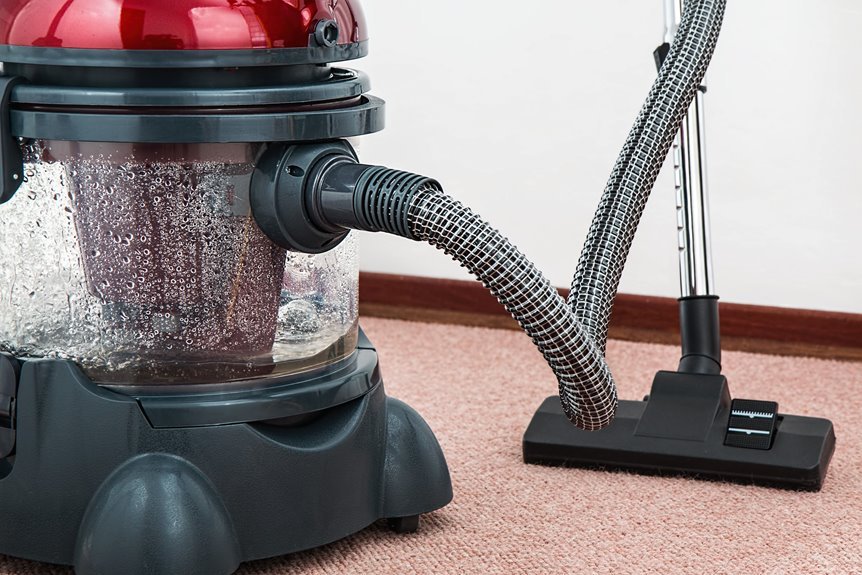

A vacuum hose clog can stop cleaning cold, much like one sock can jam a whole dryer load. If your vacuum suddenly sounds strained or loses suction, you can fix it step by step without much stress. First, unplug it, remove the hose, and check both ends for trapped debris. Then inspect deeper, clear the blockage safely, and restore airflow, but avoid small mistakes that can make the clog worse.
Unplug the Vacuum and Gather Tools
Before you do anything else, turn the vacuum off and unplug it so you can work on the hose safely. This simple step improves safety and helps you start the job with confidence.
Next, gather your tools and clear a small workspace so everything is easy to reach. Make sure the hose is free on both ends by removing the nozzle, wand, handle end, and floor head if they detach.
Then inspect the hose for cracks, dents, or worn areas before putting anything through it. If you plan to rinse it later, confirm first that the hose is washable. A towel, flashlight, gloves, and a long, smooth tool will help you prepare efficiently.
Check for Signs of a Clogged Vacuum Hose
Before you start clearing the hose, look for signs that a clog is restricting airflow.
Common indicators include weak suction, unusual whistling or rattling sounds, and visible dirt lodged inside the hose.
These clues can help you identify the problem early, so you can address it with confidence.
Weak Suction Signs
How can you tell when weak suction points to a clogged vacuum hose instead of a full bin or dirty filter? You’ll usually notice a sudden loss of suction during normal cleaning, even after you have emptied the bin and checked the filter. Carpet crumbs may stay in place, and the vacuum may struggle to pick up pet hair or dust along edges.
Next, pay attention to how the machine feels while you clean. If you notice reduced airflow at the hose end, the path inside may be blocked. You might also see dirt collecting in one spot instead of moving into the canister. That’s a common sign your vacuum needs a little attention, not replacement.
If your cleaning routine suddenly feels harder than usual, you aren’t doing anything wrong. The hose may simply need attention.
Unusual Hose Noises
When a vacuum hose starts making strange sounds, it often means air can’t move through it as it should. You may hear whistling once a clog narrows the airflow path and forces air through a tight spot. Rattling can also happen when trapped material shifts inside the hose as suction pulls against it.
These noises can be frustrating, but they also provide useful clues. If the sound changes when you bend, lift, or straighten the hose, a blockage is likely inside. If the noise grows louder during use, airflow is struggling more than it should.
Listen closely and trust what you hear. Your vacuum is signaling that it needs attention.
Visible Debris Buildup
Whenever you can see dirt packed near either end of the hose, you’re already close to the problem. That visible buildup often shows where suction stops, so you can inspect with confidence instead of guessing. If your hose has clear tubing, hold it up to the light and look for dark clumps, trapped hair, or residue along the inner surface.
- Look at both openings for packed lint or pet hair.
- Check bends where debris often collects and tightens.
- Watch for dust layers that narrow the inside path.
- Compare clean sections with cloudy or dirty sections.
- Gently tap the hose to see whether loose debris shifts.
As you inspect, remember that this is a common issue. Every home has those moments when debris ends up in places you wouldn’t expect. Finding the buildup early helps you clear the hose more quickly and restore your vacuum’s performance.
Remove the Vacuum Hose Safely
First, turn off your vacuum and unplug it so you can work safely and avoid any surprise start-ups.
Next, detach the hose carefully by removing the wand, nozzle, or handle end without forcing any part loose.
As you free both ends, check the connection points for stuck debris, cracks, or wear so you don’t miss a simple cause of the clog.
Power Off First
Before you do anything else, turn the vacuum off and unplug it so you can work on the hose safely and confidently.
This simple pause protects you, your vacuum, and the surrounding area. Starting with safety helps create a controlled setup and prevents sudden movement, noise, or accidental start-ups.
- Unplug the cord fully from the outlet.
- Confirm that no lights or sounds remain on.
- Let the motor rest for a moment.
- Place the vacuum on a flat, stable surface.
- Keep kids and pets away while you work.
This step is about isolating the power source. It ensures the machine can’t start unexpectedly while you inspect the hose area. It’s a smart habit that supports careful work and helps you handle the repair properly.
Detach Hose Carefully
Now that the vacuum is safely unplugged, detach the hose with slow, steady hands so you don’t crack a connector or twist the tube out of shape. There’s no need to rush. You’re taking care of equipment your household depends on, and that matters.
Start by removing any detachable parts, such as the nozzle, wand, handle end, or floor head, so the hose can move freely.
Next, support the hose near each end and pull with gentle control. If it resists, wiggle it lightly instead of yanking. That extra care helps prevent hidden damage during hose removal.
As you work, keep the tube relaxed and avoid sharp bends. A careful, safe release protects the hose walls and fittings. These steps now will make the unclogging process much easier later.
Check Connection Points
Connection points are a common place for blockages and wear, so inspect each one carefully before taking anything else apart. This step helps prevent cracks, broken clips, or loose fittings later.
- Unplug the vacuum first, then steady the base with one hand.
- Twist detachable ends gently instead of pulling hard to reduce connector wear.
- Check the wand, handle, nozzle, and floor head for packed debris.
- Look for cracked plastic, bent tabs, or damaged seals that could weaken the airtight fit.
- Keep both hose ends clear so you can inspect airflow without extra parts attached.
If a connection feels stuck, stop and wiggle it slowly. Taking your time helps protect the hose and makes it easier to find clogs near the openings, where strong suction matters most.
Inspect the Vacuum Hose for Blockages
When your vacuum suddenly sounds strained or loses suction, the hose is often the first place to check. First, unplug the vacuum and detach the hose so you can inspect it safely. Then place it on a flat surface and hold it toward a bright lamp or window for a careful visual check. If you can’t see clear daylight through the tube, you have likely identified the blockage.
Next, flex the hose gently and feel for a hard spot or dent that doesn’t move with the rest of it. You can also shake or tap the hose lightly to hear loose debris shift near an opening. For an additional check, drop a small coin through one end and listen for it to exit the other side. This quick test can help confirm whether the hose is clear.
Push Out the Clog With a Broom Handle
After you find the clog, grab a smooth broom handle that fits inside the hose without scraping the sides.
Place the hose on a flat surface, then push gently from one end until the blockage starts to move.
If it sticks in the middle, keep steady pressure and work slowly so you can clear the clog without damaging the hose.
Choose The Right Handle
If the clog won’t shake loose, a broom handle can provide the steady pressure you need without making the job harder. Before you pick one up, choose a handle that feels safe, balanced, and easy to control.
That small decision helps you stay calm and work with confidence.
- Pick a smooth handle material that won’t splinter or scrape.
- Choose an ergonomic grip so your hand stays comfortable.
- Use a handle slightly narrower than the hose opening.
- Check that the handle is straight, clean, and free of cracks.
- Avoid heavy metal handles that feel awkward or too rigid.
With the right fit, you’ll feel more confident and be less likely to damage the hose. You aren’t just fixing a vacuum. You’re doing it the smart, careful way, and that puts you in good company.
Push The Clog Through
Slide the broom handle into the hose slowly, then use steady, gentle pressure to push the clog toward the nearest open end. This gentle technique helps move debris without scraping or cracking the hose. Keep the hose straight on a flat surface, and watch the direction of the clog so you don’t pack it in tighter. If you feel hard resistance, stop, pull back slightly, and try again with lighter pressure.
As you work, stay patient and focus on protecting your vacuum. Push a few inches at a time, then check the opening for loosened dirt, hair, or paper.
If the clog is stuck in the middle, switch ends and repeat the process. That small adjustment often loosens stubborn buildup and helps get your vacuum back in action quickly.
Pull Debris Out With Pliers or Your Hand
Pull Debris Out With Pliers or Your Hand
If the clog sits close to either end of the hose, you can often pull it out by hand or with needle-nose pliers instead of pushing it deeper inside. This debris removal method works best after you unplug the vacuum and detach the hose from both ends, so you can see and reach the blockage safely.
- Grip only the debris you can clearly see.
- Twist gently before pulling to loosen packed lint.
- Use needle-nose pliers for hair clumps or paper.
- Remove soft dust wads by hand if they sit near the edge.
- Stop if the hose bends sharply or the clog starts to tear.
This careful approach helps you stay in control if pushing methods haven’t worked.
If the mess feels stubborn, take your time.
Keep a steady grip and pull the debris straight out to avoid damaging the hose.
Wash the Vacuum Hose if Needed
While pulling or pushing doesn’t clear the mess, washing the hose can loosen fine dirt and sticky buildup still clinging inside. First, make sure your vacuum is unplugged and that the hose is labeled washable. Then remove all attachments, take the hose to a sink or tub, and run warm water through it from both ends.
For tougher grime, add a few drops of mild dish soap and gently flex the hose to help the water flow through. These simple hose washing methods work well when dust has become muddy or greasy.
If your manual permits it, you can also use a small amount of baking soda and vinegar, followed by a thorough flush. Use safe rinsing methods, and continue rinsing until the water runs clear. This gives your vacuum a clean, fresh start.
Let the Vacuum Hose Dry Completely
After rinsing, let the hose dry completely before putting it back on the vacuum. Even a small amount of trapped moisture can cause musty odors, mold, or reduced suction over time. The goal is to have it clean, fresh, and ready to use.
Use these simple drying and moisture removal tips:
- Shake the hose gently to remove standing water.
- Hang it over a shower rod or railing.
- Keep both ends open so air can circulate through it.
- Place it in a warm, bright area, away from intense heat.
- Turn it occasionally so it dries evenly.
Caring for your vacuum also helps maintain a cleaner shared space. If the hose still feels cool inside, allow more drying time. A little patience now helps keep your vacuum working reliably.
Reconnect the Hose and Test Suction
Once the hose is fully dry, reconnect it firmly to the vacuum body. Then attach the wand, nozzle, handle end, and floor head so every part sits snug and sealed. As you reassemble the vacuum, make sure each connection clicks or twists into place. A tight fit helps restore strong, consistent performance.
Next, plug in the vacuum and do a quick suction test. Hold a small piece of paper near the hose opening or vacuum a small patch of floor.
Then check airflow by listening for a smooth, steady sound and feeling for strong pull through the hose. If the paper lifts easily and debris disappears, the blockage is likely gone. Your vacuum should now be ready to clean effectively again.
Troubleshoot Low Suction After Clearing the Hose
If suction still feels weak, don’t worry. The hose may be clear, but another part of the vacuum could still be restricting airflow. After you reconnect everything, check each connection and listen for pitch changes that may indicate leaks. You aren’t missing something obvious. This is a common issue.
- Check the dust bin or bag. A full one reduces suction quickly.
- Inspect the filters. Dirty filters restrict airflow and reduce performance.
- Look at the floor head and wand for hidden debris.
- Make sure the seals fit tightly so airflow stays consistent.
- Test suction at the hose opening, wand, and floor head to identify where it drops.
Then compare airflow at each point. If suction improves when you remove an attachment, that part likely needs closer inspection next.
Prevent Future Vacuum Hose Clogs
While a clean hose restores strong suction, a few simple habits can help prevent another clog. Start with regular maintenance. Check the hose often for dust buildup, hair, paper bits, and cracks that can trap debris. Before each deep clean, pick up large items by hand so the vacuum doesn’t pull them in.
Also, empty the bin or replace the bag before it becomes overfilled, and clean the filters on schedule so airflow remains steady. Proper storage matters as well. Coil the hose loosely, keep both ends clear, and store the vacuum in a place where the hose won’t be crushed or bent.
With this kind of care, your vacuum performs better, lasts longer, and stays ready to keep your home clean and welcoming.
Frequently Asked Questions
Can a Clogged Vacuum Hose Damage the Motor Permanently?
Yes, persistent, packed clogs can permanently damage your vacuum’s motor by causing it to overheat. You will usually notice suction loss first. To protect your cleaning routine, turn the vacuum off, unplug it, and clear the hose as soon as possible.
How Often Should I Inspect My Vacuum Hose for Hidden Buildup?
You should inspect your vacuum hose monthly, and check it sooner if suction drops or odors develop. Make hose inspections part of your regular maintenance routine, so your vacuum stays reliable and your cleaning routine stays on track.
Is It Safe to Use a Metal Coat Hanger Inside the Hose?
No, you should not use a metal coat hanger inside the hose, because it can puncture or scratch it. Choose safer DIY clearing tools and check that they are safe for the hose material first. That will help protect your vacuum.
When Should I Replace the Hose Instead of Unclogging It?
Replace the hose when you notice cracks, dents, leaks, or repeated clogs. Check for these signs regularly and consider the durability of the hose material. Doing so will help keep your vacuum working properly.
Do Different Vacuum Brands Have Hoses Cleaned the Same Way?
No, you should not clean every vacuum hose the same way. Different brands may use different hose materials, so brand specific cleaning methods matter. Check your manual first to protect your vacuum and keep it working properly.
