
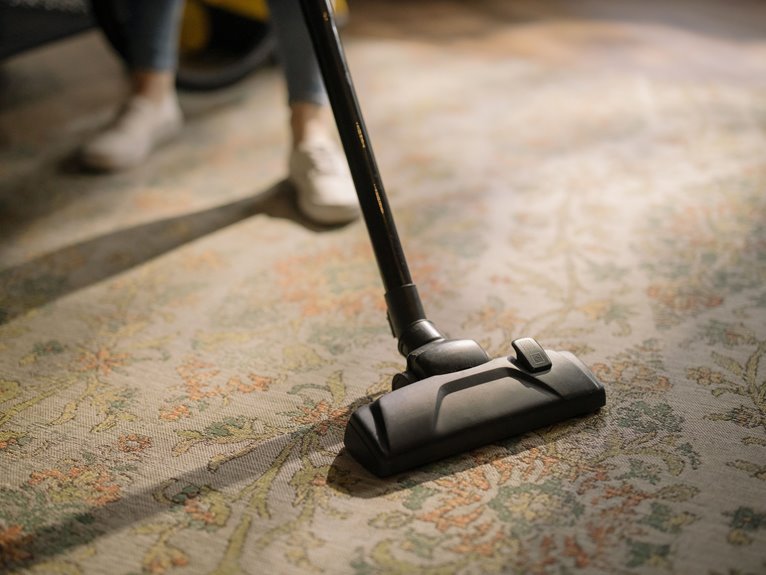

You don’t need to replace your carpet just because it looks dull and gritty. If you notice dark traffic lanes, rough fibers, uneven color, or a musty smell, dirt has likely settled deep below the surface. The good news is that you can remove much of it with the right approach. Start with careful dry removal and more effective vacuuming before moving on to deeper cleaning methods that deliver the biggest results.
How to Spot Embedded Dirt in Carpet
Before you start cleaning, it helps to know what embedded dirt looks like in carpet. You may notice dull, gray traffic lanes, rough-feeling fibers, and stain patterns that remain even after light wiping. These are strong signs that dirt has settled deep below the surface.
If you look closer, you may see patchy color changes rather than the sharp edges of a fresh spill. In many homes, hidden soil appears where people gather most, such as hallways, stairs, and the areas around sofas. You may also feel a gritty texture under your hand or notice carpet that looks flattened, worn, and matted. If a mark keeps returning after the carpet dries, dirt is likely trapped in the pile. Once you can recognize these clues, you’re already taking smart care of your shared space.
Vacuum Carpet the Right Way First
Once you’ve identified the areas where dirt has settled deep into the pile, begin with careful vacuuming so you can remove as much dry soil as possible before adding any moisture.
Start by lifting away any dried clumps with a spoon, dull knife, or card so the vacuum can reach the fibers. Then vacuum the problem spots slowly, not with quick swipes that miss packed soil. Make passes in multiple directions so the suction can loosen grit from every angle.
In heavily soiled areas, go over the same section several times, even up to 16 passes, because patience makes a difference. If your vacuum has a high suction setting or a useful attachment, use it to pull out more debris. As dirt is removed, empty or clean the vacuum promptly. This gives the carpet the clean start it needs.
Brush and Lift Embedded Carpet Dirt
After vacuuming, loosen trapped dirt by gently working a soft brush through the carpet from several angles.
As the debris lifts, remove it right away so it doesn’t settle back into the pile.
Use light, steady strokes to lift the mess without damaging the carpet fibers.
Loosen Dirt With Brush
Loosen Dirt With a Brush
Begin by working a soft brush gently through the carpet pile to break up dirt packed deep in the fibers. Do not scrub hard. Instead, use steady brushing to separate compacted grit from the strands. This gentle motion helps loosen the fibers, so the carpet feels clean and comfortable again.
| What you do | Why it helps |
|---|---|
| Use a soft brush | Protects the pile |
| Brush with the nap | Reduces strain |
| Make short strokes | Targets packed soil |
| Work small sections | Keeps you in control |
As you move across the area, keep your hand light and your pace steady. If you find a dried clump, tease it apart carefully. Little by little, you can free stubborn dirt without damaging the fibers.
Lift Debris Effectively
With the dirt loosened, your next step is to lift it out before it settles back into the carpet. Begin by removing dry clumps, especially if you notice packed mud or gritty debris. Use a spoon, dull knife, or old card to gently scrape them away.
Then work quickly, because prompt debris removal helps keep particles from sinking deeper into the fibers.
Next, vacuum slowly from several directions so you can catch dirt from every angle of the pile. For heavy soil, make multiple steady passes instead of rushing. If you have a brush attachment or a strong vacuum, use it to pull trapped grit upward and out.
Be patient during this stage. It’s the step that helps your carpet feel clean and well cared for again, rather than left to hold dirt that lingers unnoticed.
Protect Carpet Fibers
Because carpet fibers can fray or flatten if you get too aggressive, this step focuses on lifting trapped dirt gently instead of scrubbing hard. Use a soft brush or vacuum attachment, then move in short, light strokes that lift debris without disturbing the pile. That’s the core of fiber protection.
Next, work from several directions so you loosen grit from every angle. If you notice dried clumps, lift them first with a spoon or dull card. Then vacuum slowly and remove loose bits right away.
This gentle approach helps your carpet stay soft, full, and comfortable for everyone in your space. You aren’t just cleaning a floor. You’re preserving the comfort your home offers to family, friends, and every barefoot guest who walks in.
Use Baking Soda on Embedded Dirt
Use Baking Soda on Embedded Dirt
If dry soil still clings to the carpet after vacuuming, baking soda can help loosen debris trapped deep in the fibers. For a simple pre treatment, sprinkle a light, even layer over the gritty area and let it sit for 15 to 30 minutes. This waiting period helps absorb odors and loosen soil, leaving the carpet fresher and making the next cleaning step easier.
| Step | What you do | Why it helps |
|---|---|---|
| 1 | Sprinkle lightly | Reaches dusty fibers |
| 2 | Wait 15 to 30 minutes | Loosens trapped grit |
| 3 | Work gently with a soft brush | Lifts embedded soil |
| 4 | Vacuum slowly from several directions | Removes powder and dirt |
Then vacuum slowly from different angles. If needed, repeat the process once. This method gives your carpet the steady care many households use to keep fibers cleaner and fresher.
Clean High-Traffic Carpet Areas First
When dirt gets tracked in day after day, start with the busiest carpeted areas first so soil doesn’t settle deeper into the fibers. Focusing on traffic lanes helps protect the spaces your household uses most, especially hallways, entryways, and paths near seating.
By targeting these priority zones early, you reduce wear and help the entire carpet feel better maintained.
- Check entryways first, where shoes bring in grit.
- Vacuum slowly in several directions for better lift.
- Give compacted paths extra passes to loosen trapped debris.
- Remove dried clumps before vacuuming so they don’t grind deeper.
- Pick up loosened dirt right away to protect the pile.
When you start where people gather and walk most often, you create a cleaner, more welcoming home that feels ready every day.
Shampoo Carpet to Remove Grime
After you’ve loosened and lifted as much dry soil as possible, shampooing helps remove the greasy film and fine grime that vacuuming can’t reach. Choose a carpet shampoo that suits your carpet type, and test it in a concealed area first so you can proceed with confidence.
Work in small sections so you stay in control and cover the entire area thoroughly. Apply only enough shampoo to suspend the soil, then gently brush it into the fibers to loosen trapped grime. Don’t soak the carpet. Excess product can leave residue that attracts new dirt and undermines your efforts.
As you work, blot or extract the dirty moisture, then rinse lightly with clean water to remove any remaining cleaner. With patience, your carpet will begin to look clean and well cared for again.
Steam Clean for Deep Carpet Dirt
Because deeply packed dirt settles below the surface, steam cleaning gives you a stronger way to remove it when vacuuming and shampooing haven’t been enough. It reaches deeper into the pile, loosens grime, and helps your carpet feel fresh again.
- Vacuum first so loose grit doesn’t turn muddy.
- Test a hidden spot and follow your carpet manufacturer’s care guide.
- Use deep steam extraction to lift trapped soil from the fibers.
- Finish with a hot water rinse to remove residue.
- Dry the area thoroughly so your space feels clean and welcoming.
As you clean, move slowly and overlap your passes. That steady pace helps you clean thoroughly and protect the carpet. If needed, use a soft brush first on stubborn buildup, then steam clean.
Know When Carpet Needs Professional Cleaning
If deep dirt keeps coming back after careful vacuuming, blotting, and steam cleaning, it may be time to call a professional. You shouldn’t feel frustrated or alone. Many homes need expert help when soil settles deep in the backing, stains return after drying, or fibers remain dull and stiff.
At that point, professionals can do more than a standard machine. They use stronger extraction tools, carpet odor testing, and recurring stain inspection to identify what regular cleaning misses. This is especially important when pet odors linger, traffic lanes remain dark, or mystery spots keep resurfacing.
You should also seek professional help if water has soaked the carpet, mold seems possible, or your carpet warranty requires certified care. Bringing in a professional can help your space feel clean, welcoming, and truly part of home again.
Prevent Embedded Dirt From Coming Back
To keep dirt from settling back into your carpet, maintain a regular vacuuming schedule that removes soil before it becomes packed deep into the fibers.
It’s just as important to reduce mess at the door by using entry mats, removing shoes, and stopping grit before it spreads through your home.
These simple habits save time, protect your carpet, and help every deep cleaning last longer.
Regular Vacuuming Schedule
Regular vacuuming on a set schedule is one of the most effective ways to prevent dirt from settling deep into your carpet. Consistency keeps carpet feeling fresher, helps your home look well maintained, and reduces buildup before it turns into a larger task.
- Set vacuuming frequency according to foot traffic.
- Vacuum high-use rooms two to three times per week.
- Clean low-traffic spaces weekly to prevent grit from settling into the fibers.
- Vacuum slowly and change direction to remove stubborn particles more effectively.
- Adjust your routine for seasonal conditions during muddy or dusty periods.
This simple habit helps protect the comfort of your home. It doesn’t require perfection, only a routine you can maintain.
Over time, consistent care keeps carpets cleaner, softer, and more inviting for everyone.
Entryway Dirt Control
Even after you deep clean a carpet, dirt can quickly return through the front door, so entryway control matters more than many people realize.
You can stop most grit before it spreads by creating a simple landing zone that everyone in your home can follow.
Start with sturdy entryway mats and boot trays outside and inside the door. They catch sand, mud, and damp debris before shoes reach your carpet.
Next, encourage easy shoe removal by keeping a bench, basket, or slipper rack nearby. That way, guests and family feel welcomed, not awkward, as soon as they step inside.
Shake out mats often, rinse boot trays, and sweep the area so trapped soil doesn’t migrate indoors.
When your entry stays tidy, your whole home feels cleaner, calmer, and better cared for every day.
Frequently Asked Questions
Can Embedded Dirt Cause Carpet Odors Even After Vacuuming?
Yes, carpet odors can remain after vacuuming because embedded dirt traps moisture, residue, and bacteria. These odor causing particles stay deep in the fibers, so deeper cleaning is often needed to fully freshen the carpet.
How Long Should Carpet Dry After Deep Cleaning?
Expect carpet drying time to be 6 to 12 hours after deep cleaning, though some carpets may need up to 24 hours. You can speed moisture removal by using fans, opening windows, and staying off damp fibers.
Is Hydrogen Peroxide Safe for All Carpet Colors?
No, you should not assume hydrogen peroxide is safe for all carpet colors. Test the carpet color first, because hydrogen peroxide can cause bleaching or fading. This simple step helps protect your carpet and gives you more confidence when caring for your home.
Can Leftover Cleaner Make Carpets Get Dirty Faster?
Yes, even a thin film can trap grime quickly; some professionals recommend a second water-only pass because cleaner residue can attract more soil. You can keep carpets fresher by rinsing thoroughly, blotting well, and drying completely in your household.
How Often Should High-Traffic Carpets Be Professionally Cleaned?
You should schedule professional cleaning every 6 to 12 months for high-traffic carpets, depending on wear. If your home stays especially busy, follow a regular maintenance schedule and add seasonal cleaning to keep shared spaces feeling fresh.
