
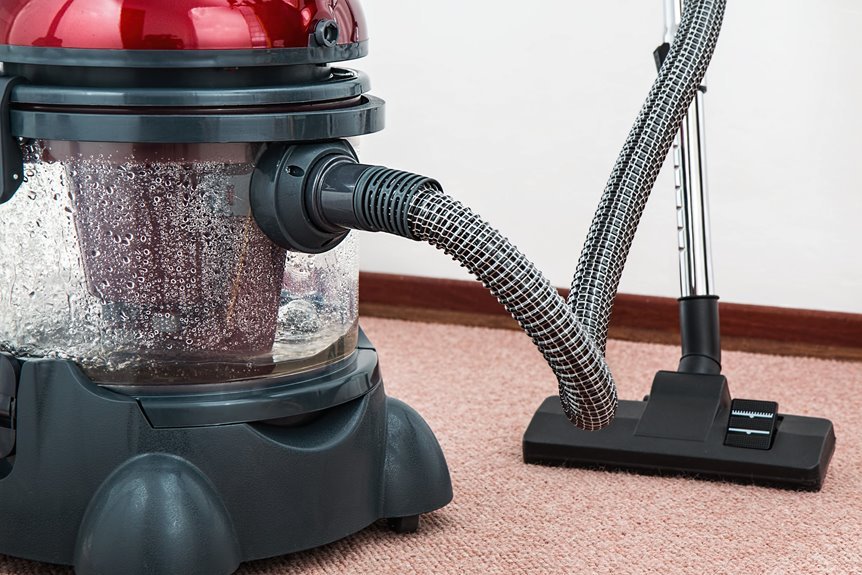

Should dust seem to come back the minute you clean, your vacuuming method could be the real issue. You will get better results once you start in the dustiest rooms, move slowly across each floor, and use the right tools for edges, fabric, and tight spots. Just as essential, your vacuum needs strong suction, clean filters, and a sealed system that keeps fine dust from blowing back out. A few small changes can make your home feel noticeably cleaner, and the next step matters most.
Vacuum the Dustiest Areas First
Start by vacuuming the dustiest areas first, since that’s usually where the biggest mess collects. You’ll get better results when you handle the spots that gather the most dirt before it spreads into cleaner rooms. Give the entryway top priority, because shoes, bags, and pet paws bring in grit quickly. Next, move to the kitchen, where crumbs, hair, and fine dust collect around chairs, mats, and appliances.
After that, vacuum rugs, carpets, upholstered furniture, and the areas along baseboards where dust tends to settle. Use a hose, brush, or crevice tool to reach corners, vents, and the edges under furniture. In a busy household, this order helps maintain a cleaner, more comfortable living space. It also prevents everyday messes from becoming stubborn buildup over time.
Vacuum Floors Slowly to Pick Up More Dust
Slow down and let the vacuum do the hard work, because quick swipes often leave dust behind. When you vacuum at a slower pace, the suction has more time to lift grit, hair, and fine particles from the floor. Your home feels cleaner, and you can be confident that you are caring for your space well.
Repeated passes matter most in high traffic areas, where dust settles deep and gets stirred up quickly. Move forward slowly, then pull back just as gently. Give edges and corners extra attention so every room feels fresh and welcoming.
| Area | Best pace | Passes |
|---|---|---|
| Entryways | Slow | 3 to 4 |
| Lounges | Slow and steady | 2 to 3 |
| Corners and edges | Very slow | 3+ |
With this steady rhythm, you are not just vacuuming. You are creating a cleaner home.
Adjust Your Vacuuming for Each Floor Type
A steady pace helps every vacuum work better, but the floor beneath it matters just as much.
When you match your method to the room, your home feels cleaner and more welcoming.
Carpet needs slow, overlapping passes so suction can lift dust from deep within the fibers. In high traffic areas, go over the surface several times. Rugs often need gentler settings to prevent pulling or bunching.
On hardwood, tile, or vinyl, use floor specific techniques and smooth, controlled strokes so you collect dust instead of scattering it. Pay attention to differences in surface material, because grit settles into grout lines, while fine dust moves across sealed floors.
If one room always looks dusty, don’t feel discouraged. You’re simply learning what each surface needs, and that attention helps your whole space feel clean and cared for.
Use the Right Attachments for Dust
The right vacuum attachments help you remove dust where the main head can’t reach.
You’ll get better results when you use a dusting brush on baseboards and detailed surfaces, a crevice tool along tight edges and in corners, and an upholstery tool on sofas, chairs, and mattresses.
With the right tool, you can clean more gently, more thoroughly, and with less frustration.
Dusting Brush Benefits
One attachment can make dust cleanup much easier: the round dusting brush. Whenever you use it, you give your home a gentler touch while still lifting dust from the surfaces your family sees every day. Its soft bristles help you vacuum baseboards, lampshades, shelves, and trim without scraping delicate finishes or scattering particles back into the room.
That matters because dust often settles on the details that make your space feel lived in and welcoming. With a dusting brush, you can clean carved wood, picture frames, vents, and electronics more carefully and confidently. You don’t have to press hard or move too quickly. Instead, guide the brush slowly while the vacuum lifts dust away. It’s a simple tool, but it helps you keep shared spaces cleaner, calmer, and more comfortable for everyone.
Crevice Tool Uses
Corners, gaps, and tight edges often hold the dust your main vacuum head leaves behind, so this is where the crevice tool proves its value. When you guide it along baseboards, into tight corners, and around appliance gaps, you remove hidden buildup before it spreads. That simple step helps your whole home feel cleaner and better maintained.
- Slide it beside the stove and fridge, where crumbs and dust collect.
- Run it along baseboard edges to pick up lines of settled debris.
- Reach under radiators, shelves, and low furniture with steady passes.
- Clean window tracks and door frames, where fine dust tends to settle.
- Use it around vents and trim to give the room a polished finish.
With this attachment, you can clean the spots that make your space feel truly fresh.
Upholstery Tool Tips
Often, your upholstery tool does the quiet work that makes a room feel truly clean, because it lifts dust, hair, and fine grit from sofas, chairs, cushions, and even mattresses without pulling at the fabric. You’ll notice a softer, fresher space right away.
To get the most from it, move slowly and overlap each pass so suction can grab what settles deep in woven surfaces. Use light pressure, especially on delicate fabric, and check fabric brush care often so bristles stay clean and gentle. Then shift your angle for cushion seam cleaning, where crumbs, lint, and pet dander like to hide.
If your vacuum has strong suction and a HEPA filter, you’ll trap more of the tiny particles that make rooms feel stuffy. It’s a small habit, but it helps everyone breathe easier together.
Vacuum Curtains and Upholstery
Because curtains and upholstered furniture collect dust quickly, vacuum them as part of your regular cleaning routine instead of waiting until they look dirty. This simple habit helps rooms feel fresher and more inviting. For effective curtain cleaning and upholstery care, use a brush attachment and gentle suction. Work from top to bottom with slow, steady passes, so you lift dust rather than spread it around. If your vacuum has a HEPA filter, it can capture finer particles and support better air quality.
- Vacuum fabric surfaces weekly to keep shared spaces comfortable.
- Support delicate curtains with one hand while vacuuming.
- Use overlapping strokes to remove hidden dust.
- Check care labels, so your method suits each fabric.
- Give cushions, seams, and tufted areas extra attention.
These small steps help your home feel well cared for and comfortable.
Vacuum Under Beds and Furniture
Don’t ignore the dust hiding under beds and furniture, because it keeps drifting back into the room.
Use your vacuum’s low-profile head, hose, or extension wand to reach deep under these areas without a struggle. When you clean these concealed spots regularly, you reduce the dust that settles on the surfaces you just cleaned.
Reach Hidden Dust
Start by vacuuming under beds, sofas, dressers, and other heavy furniture, because these hidden areas collect thick layers of dust that can drift back into the room whenever someone walks by. Cleaning these spots regularly helps the space feel fresher and more welcoming. Move slowly along edges, into hidden corners, and near air vents where dust often settles unnoticed.
- Check under beds, where dust bunnies collect quickly.
- Clean behind sofas to help shared spaces stay tidy.
- Follow wall edges, because dust builds up there easily.
- Reach beneath dressers so less dust rises back into the room.
- Vacuum around furniture legs to catch debris that’s often missed.
This simple habit helps protect the rooms where your family rests, gathers, and feels at home. Over time, it creates a cleaner space everyone can enjoy together.
Use Low-Profile Attachments
How often do dust bunnies hide just out of reach under the bed or couch? They collect where your regular vacuum head can’t fit, and that can make your room feel less fresh than the rest of your home. To address that, switch to low-profile attachments that slide into tight spaces without scraping floors or forcing you to move heavy furniture every time.
Then clean slowly with slim vacuum heads, guiding them deep under bed frames, sofas, and dressers where dust settles quietly. You’ll remove what your family and guests never see, yet everyone notices. As you clean these concealed areas, your whole space feels more cared for and welcoming. That matters because a home feels like it truly supports you when even the forgotten corners receive regular attention and care.
Vacuum Often to Prevent Dust Buildup
Ideally, vacuuming becomes a steady habit before dust has time to pile up and settle deep into carpet fibers. When you keep a simple routine, your home feels fresher, calmer, and more welcoming. For effective dust control, set a vacuuming frequency that fits your space. Most homes do well with weekly vacuuming, while busy rooms, entryways, and homes with pets often need care twice a week. This small routine helps you stay ahead without feeling overwhelmed.
- Vacuum carpets and rugs at least once a week.
- Clean high-traffic rooms twice a week when needed.
- Give entryways extra attention because dirt collects there first.
- Follow a schedule so cleaning feels easier and more manageable.
- Treat regular vacuuming as part of caring for your space and the people in it.
Your efforts support comfort, self-respect, and a home that feels well cared for.
Avoid Mistakes That Spread Dust
A regular vacuuming routine helps, but a few common habits can send dust back into the air. When you rush, push too fast, or make only one quick pass, you leave grit behind and stir up particles. This is one of the most common vacuuming mistakes families make.
To keep your space feeling fresh, move slowly and overlap each pass. Pay extra attention to corners, baseboards, rugs, and upholstered furniture, where dust collects. Use the right attachment for tight spots instead of forcing the main head into every area. Also, don’t vacuum around clutter, because that causes you to miss dusty zones and leaves the job feeling incomplete. As you build better habits, you can reduce dust spread and create a home that feels cleaner, calmer, and more welcoming every day.
Choose a Sealed Vacuum That Keeps Dust In
Because vacuuming only works well when the machine keeps dust inside, you’ll get better results with a sealed vacuum that doesn’t leak fine particles back into the room. That matters because your effort should leave your home feeling cleaner, not send dust back into the air you share. A model with airtight seals keeps suction focused where you need it most.
- Choose a vacuum with a sealed canister, so dust stays contained.
- Check joints, lids, and hoses for airtight seals that prevent leaks.
- Look for secure bag or bin connections that don’t release dust.
- Pick sturdy latches and gaskets that stay reliable over time.
- Choose a design that fits your routine and helps everyone breathe easier.
When your vacuum holds what it collects, you create a space that feels cared for, welcoming, and truly yours.
Use a HEPA Filter to Reduce Dust
How much dust your vacuum catches often comes down to its filter, and that’s where HEPA makes a real difference. Whenever you use a vacuum with HEPA filtration, you help trap tiny particles that other filters can send back into your rooms. That matters if you want your home to feel cleaner, calmer, and more welcoming for everyone.
Just as a sealed vacuum keeps dust from leaking out, a HEPA filter improves what stays captured. The biggest HEPA filtration benefits include better allergen capture efficiency for pollen, pet dander, and fine dust that settles into carpets and upholstery.
You’ll get better results when your vacuum also has strong suction and useful tools, such as a hose, wand, and brush attachments, so you can reach corners, fabric, and edges where dust likes to hide.
Clean Your Vacuum Properly
Clean Your Vacuum Properly
Even the best vacuum won’t keep dust under control if you let its filter, bag, or brush roll become packed with debris. When buildup blocks airflow, vacuum performance drops, and dust can slip back into the room. If you want your home to feel truly clean and welcoming, give your machine the same care you give your floors.
Proper filter maintenance helps your vacuum trap fine particles instead of spreading them around.
- Empty the bin or replace the bag before it’s full.
- Wash or replace filters as the manual directs.
- Cut hair and threads off the brush roll.
- Check the hose for clogs and hidden dust.
- Wipe attachments so they don’t spread grime around.
These small steps help protect the clean, comfortable space everyone in your home shares each day.
Create a Weekly Vacuuming Routine
Pick specific days each week for vacuuming so dust doesn’t have time to build up and spread through your home. Start with high-dust areas such as entryways, living rooms, rugs, and places where pets rest, since these spaces get dirty quickly.
Assign each task to a specific room so you can clean more efficiently, stay organized, and make weekly vacuuming easier to manage.
Set Vacuuming Days
Set fixed vacuuming days each week so dust doesn’t get a long head start. When you choose consistent times, your routine becomes easier to maintain, and your home feels more settled.
A clear vacuuming schedule removes guesswork, helps everyone stay aligned, and turns cleaning into a regular habit instead of a last-minute task. Add those days to a cleaning calendar, and you can build a habit that steadily supports your household.
- Choose one or two days you can realistically maintain.
- Connect vacuuming to an existing weekly habit.
- Add reminders so no one has to rely on memory alone.
- Keep your vacuum ready so it’s easier to get started.
- Recognize consistency, because small routines help create a welcoming home.
Before long, you’ll feel more in control, more connected, and more at ease each week.
Prioritize High-Dust Areas
Once you’ve set your vacuuming days, the next step is deciding where your effort matters most. Start with the spaces that collect dust quickly and affect your comfort first. These areas often include entryways, main walkways, rugs, and spots around furniture where dust settles and gets stirred up again.
Next, watch for dust hotspots that stand out during the week. If a space looks dull, feels gritty, or causes sneezing, move it higher on your list. High-traffic areas often need extra attention because shoes, pets, and daily activity keep bringing in debris.
You don’t need to clean everything perfectly at once. The goal is to build a routine that fits real life and helps your home feel calmer, fresher, and more comfortable for everyone who shares it each day.
Match Tasks To Rooms
How can you make weekly vacuuming feel less like a marathon and more like a simple habit? Match each room to a small task, and you’ll feel more settled all week. Give busy spaces extra care, because they collect dust faster and welcome everyone in.
- Vacuum entry rugs and lounge room paths twice a week with slow passes.
- Tackle kitchen vacuum zones after meals, especially under chairs and near appliances.
- Clean bathroom dust targets weekly, using a brush tool on baseboards and corners.
- Freshen bedrooms once a week, including rugs, under beds, and cloth headboards.
- Use your hose on furniture, vents, and edges, so every room feels cared for.
This room-by-room rhythm helps your home feel shared, calm, and easier to keep clean together.
Frequently Asked Questions
Can Vacuuming Help Reduce Dust Mite Allergies?
Yes, you can reduce dust mite allergies by vacuuming regularly with a HEPA-filter model. This improves allergen removal, especially on carpets and upholstery. Keep up vacuum maintenance and wash bedding weekly to create a cleaner, healthier home.
Should I Keep Windows Closed on High-Dust Days?
Yes, you should keep windows closed on high-dust days, because this helps block outdoor particles before they settle indoors. Check outdoor dust alerts and improve window sealing. These steps can help everyone in your home breathe easier and feel more comfortable.
How Often Should Bedding Be Washed to Reduce Dust?
Wash your bedding every week in hot water. This routine helps reduce dust mites. Keep a simple wash schedule to help your space feel cleaner, fresher, and more welcoming.
Does Indoor Humidity Affect Household Dust Levels?
Yes, indoor humidity affects household dust levels because maintaining the right balance matters. Keep humidity below 50% to help reduce dust buildup, allergens, and airborne particles. This can create a cleaner, more comfortable space and support easier breathing.
When Should HVAC Filters Be Replaced for Better Dust Control?
Replace HVAC filters every 1 to 3 months. This timing can noticeably reduce circulating dust. You’ll improve air quality and stay aligned with your community-minded HVAC maintenance schedule by following a consistent filter replacement routine at home.
