
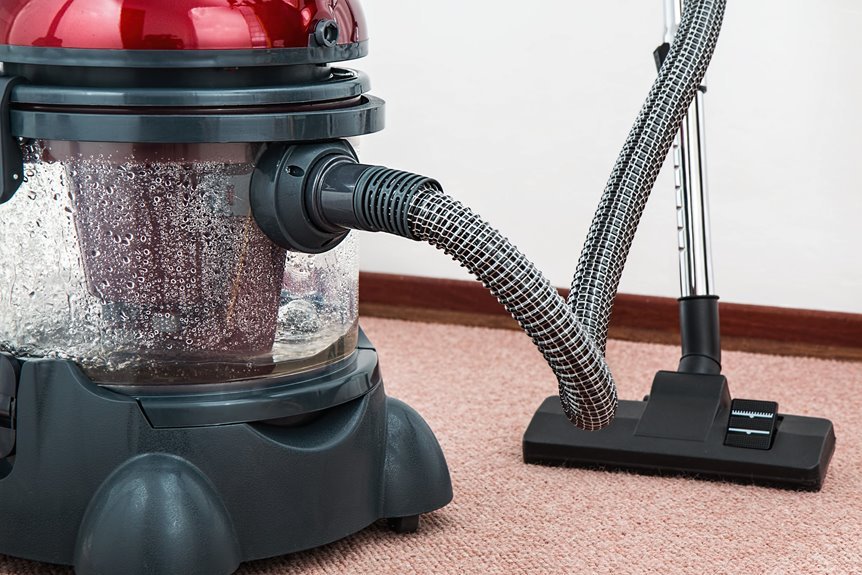

If you want your carpet to feel truly clean, start by clearing the floor, checking your vacuum height, and moving slowly in overlapping passes so you lift dust instead of brushing over it. Then work along edges, corners, and high traffic areas with the right attachment, and use baking soda to help remove odors before making a second pass. It’s a simple routine, but a few smart adjustments can improve the results quickly.
Prep Your Carpet for Vacuuming
Before you turn on the vacuum, take a few minutes to clear the carpet so you can clean deeply instead of just skimming the surface. Start by picking up toys, cords, shoes, and anything else that blocks your path. Clearing the floor helps each pass count and allows your vacuum to reach hidden grit.
Next, move any furniture that’s light enough to handle safely, such as small chairs, baskets, and side tables. This opens the room and makes the job easier to manage. Then check for crumbs, pet hair, or dry soil near edges and in high traffic areas. If needed, loosen trapped debris first with a brush attachment.
Once the space is open and clutter free, you can clean more evenly, and your carpet will already feel better cared for.
Check Your Vacuum’s Carpet Settings
Before you start, check your vacuum’s carpet setting so it cleans effectively without being too rough on the fibers.
Adjust the pile height to match your carpet, because the correct level helps the vacuum move smoothly and lift more dirt.
Then choose the appropriate brush roll mode, since this can significantly improve how well the vacuum loosens soil from deep within the carpet.
Adjust Pile Height
When your vacuum has a carpet height setting, take a moment to match it to your carpet’s pile before you start deep cleaning. This small step helps your vacuum move smoothly and clean more evenly. Think of it as part of pile height basics. Low pile carpets usually need a lower setting, while plush or shag styles need more space underneath.
When the height is right, you’ll get better suction without the vacuum dragging or skipping. That means stronger carpet fiber lift, which helps pull dirt from deep between fibers.
When the setting is too low, the vacuum can feel stuck and strain to move. When it’s too high, it could miss concealed grit. Start in a small spot, adjust as needed, and trust your feel. You’ve got this, and your carpet will thank you.
Select Brush Roll Mode
Once you’ve set the right pile height, check your vacuum’s brush roll mode so it matches the carpet you’re cleaning. This step helps your machine work with the fibers, not against them. For low-pile carpet, use a stronger brush roll setting to lift grit from tight loops. For plush or delicate carpet, switch to a gentler mode so you don’t rough up the surface.
Next, pay attention to roller brush selection if your vacuum offers more than one option. A softer brush works well on fragile fibers, while a firmer brush can loosen packed dirt in high-traffic areas like hallways. If the vacuum seems hard to push or sounds too aggressive, adjust the setting.
You aren’t guessing. You’re learning what your carpet needs, and that makes every pass count.
Vacuum Carpet in Slow, Overlapping Passes
Now that your vacuum is set correctly, move it slowly so it has time to pull dirt from deep in the carpet.
Overlap each pass slightly, and follow a steady lane or crisscross pattern so you don’t miss hidden soil.
In high traffic areas, make a few extra passes because that’s where grime tends to build up.
Use Slow Strokes
Because deep dirt settles low in the carpet pile, you’ll get better results when you vacuum with slow, overlapping strokes instead of rushing through the room. When you guide the vacuum at a steady pace, the suction and brush roll have time to lift grit hiding deep in the fibers. This controlled pace supports thorough soil removal and helps your carpet feel truly cared for.
- Move the vacuum forward slowly, then pull it back with the same steady rhythm.
- Pause briefly in high traffic spots, because those areas need extra attention.
- Keep your path organized, so every section is cleaned evenly and no area is rushed.
Overlap Each Pass
Ideally, you should overlap each vacuum pass by a few inches so dirt does not get left behind in thin strips between your lanes. That small shift helps you create a consistent stroke pattern and gives your carpet full area coverage. As you move slowly, let each new lane cover part of the last one. You are not overdoing it, you are cleaning like someone who knows the technique.
| Pass style | What you do | Why it helps |
|---|---|---|
| Straight lanes | Overlap 2 to 3 inches | Stops missed strips |
| Crisscross | Change direction | Lifts trapped soil |
| Slow return pass | Cover the same path again | Improves pickup |
| Edges first | Trace the border | Reaches concealed dust |
In busy spots, overlap even more. That extra care helps your whole room feel truly clean, fresh, and cared for.
Use Vacuum Attachments on Carpet Edges
Along the carpet edges, your main vacuum head often misses the dust and grit that collect where the floor meets the baseboard. This is where attachments really help. Switch to the crevice tool or brush nozzle and work slowly for better edge detailing. You’ll remove buildup your regular pass leaves behind, and your whole room will feel cleaner.
To keep your cleaning smooth and thorough, give these spots a little extra care:
- Run the crevice tool in one steady line along each wall for precise perimeter dusting.
- Use a soft brush attachment where carpet meets trim to loosen packed debris without scuffing.
- Angle the tool into corners, under radiators, and beside furniture legs where dust tends to hide.
This small step helps your space feel truly cared for, and you’ll notice the difference every time.
Deep Clean High-Traffic Carpet Areas
High-traffic carpet areas collect the most compacted dirt, so a careful deep clean makes a noticeable difference quickly. After edging, vacuum these shared paths slowly and thoroughly. Move light items first, then make overlapping passes in a crisscross pattern. This helps lift buildup in entryways and hall traffic zones from multiple fiber angles, leaving the carpet fresher and better maintained.
| Area | Best approach |
|---|---|
| Entryways | Vacuum slowly, then repeat twice |
| Hallways | Use overlapping lane passes |
| Around chairs | Shift items and clean underneath |
| Main walkways | Change directions for deeper pickup |
If a section still looks flat or dull, make another slow pass. That is not excessive. It is the right level of attention for a cleaner, better-looking home.
Lift Pet Hair and Embedded Dirt
Because pet hair and packed-in grit cling deep in carpet fibers, you’ll get better results if you slow down and change your vacuum angle instead of rushing through the area. For strong pet hair removal, vacuum in overlapping strokes, then crisscross the same spot from a new direction. That simple shift helps loosen strands and improves embedded dirt lift without extra strain.
To make your carpet feel fresh and cared for, focus on tools and technique that work with your home, not against it:
- Use a brush attachment to pull hair from fibers, especially where pets nap and play most.
- Make multiple slow passes in entryways, hallways, and corners where grit settles and hides.
- Tilt the vacuum slightly on stubborn patches so suction reaches trapped debris from another angle.
You have got this, and your carpet can truly look shared-home clean.
Remove Carpet Odors While You Vacuum
If your carpet smells dull or a little musty, you can freshen it as you vacuum by treating odor at the source instead of simply covering it up.
Start by sprinkling a light layer of baking soda over dry carpet, especially in areas where people gather, pets rest, or shoes land. Let it sit for 15 to 30 minutes to help neutralize odors.
Then vacuum slowly with overlapping passes to lift the powder and the smells trapped deep in the pile. As you work, use a brush attachment on stubborn spots to refresh carpet fibers and loosen hidden debris that holds odor.
This simple step can make the whole room feel more welcoming. You aren’t just cleaning for appearance. You’re creating a space that feels cared for, comfortable, and ready for everyone to enjoy.
Keep Carpet Clean Between Deep Vacuums
After a deep vacuum, a few simple habits can keep your carpet looking fresh and prevent dirt from building up again. You don’t have to handle everything alone. These small routines help your whole home feel cared for, cozy, and welcoming every day.
- Vacuum slowly through entryways and hallways twice a week, using overlapping strokes for better pickup.
- Treat spills quickly for effective stain prevention. Blot, don’t scrub, and test any cleaner on a hidden area first.
- Leave shoes at the door and rotate rugs in busy areas to protect carpet fibers.
- Move lightweight items often so crumbs and grit don’t collect underneath.
- Plan seasonal maintenance by giving high traffic zones extra attention and doing a final fluffing pass after drying.
When you stay consistent, your carpet stays softer, cleaner, and ready for the people you love most.
Frequently Asked Questions
How Long Should Carpet Dry After Deep Cleaning?
Your carpet should dry in about 4 to 6 hours, though several factors can extend that time. You can speed up the process with better airflow, such as using fans, opening windows, and keeping foot traffic off the carpet.
Can I Deep Clean Carpet Without a Machine?
Yes, you can deep clean carpet without a machine. Start by vacuuming thoroughly using effective vacuum techniques. Pretreat any stains, then scrub small sections with warm, soapy water. Blot and rinse each area, then let the carpet dry completely. Regular spot cleaning and maintenance help keep your home feeling clean and welcoming.
What Homemade Solution Is Safe for Pretreating Carpet Stains?
You can safely pretreat carpet stains with a vinegar solution or mild detergent mixed with warm water. Blot gently, test a small hidden area first, and protect your carpet while keeping your space clean and welcoming.
Should I Rinse Carpet After Using Cleaning Solution?
Yes, you should rinse the carpet after using a cleaning solution. Rinsing helps remove residue, supports solution neutralization, prevents sticky buildup, and leaves your carpet cleaner, softer, and fresher.
How Often Should Carpets Be Deep Cleaned Annually?
Deep clean carpets once a year, or twice a year if you have pets, children, or heavy foot traffic. This schedule helps maintain a clean, comfortable home and keeps your space feeling fresh and inviting.
