
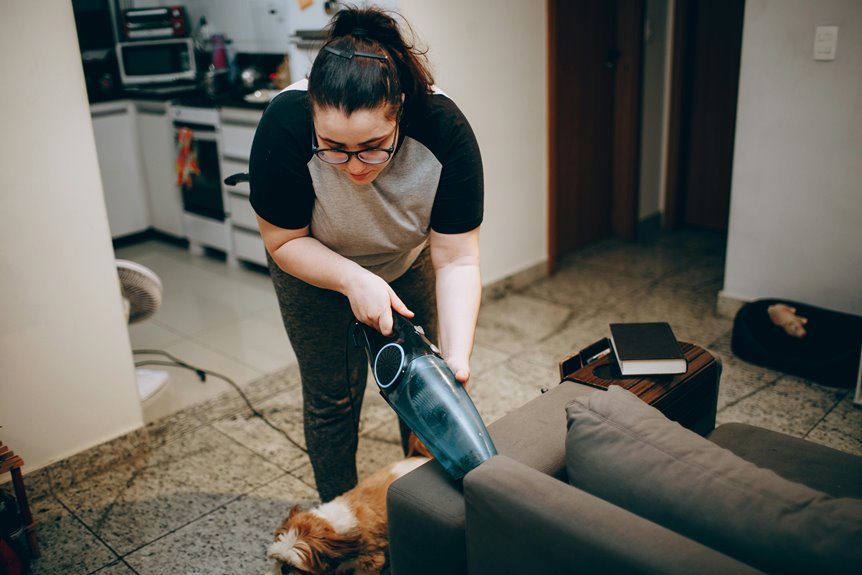

Yes, vacuuming can help reduce fleas indoors, and it is more important than many people realize. It removes eggs, larvae, pupae, and some adult fleas from carpets, pet beds, furniture seams, and baseboards, especially in areas where your pet rests. Still, it will not eliminate a full infestation on its own, because some fleas remain protected deep in fibers and cracks. For that reason, vacuuming works best as a first step, not the only one, and the next steps make the biggest difference.
Can Vacuuming Get Rid of Fleas Indoors?
While vacuuming can make a real dent in indoor fleas, it usually won’t eliminate an infestation by itself. It can reduce flea numbers quickly, especially in carpets, rugs, baseboards, and pet resting areas, but hidden pockets often remain. If fleas keep appearing, that doesn’t mean you’re doing something wrong. It means you’re dealing with a persistent pest that usually requires more than one control method.
To make vacuuming more effective, start by reducing clutter so you can reach floors, edges, and areas under beds. Next, inspect furniture, because fleas often collect where pets sleep and where fabric holds debris. As you clean, you also improve the shared indoor environment for everyone in the home, including pets.
Vacuuming works best when you use it as one important part of a broader indoor flea control plan, not the entire solution.
How Does Vacuuming Remove Fleas and Eggs?
Because fleas don’t stay only on the surface, vacuuming helps remove the stages hiding deep in fabric and floor seams, especially eggs, larvae, pupae, and many adults. As you move the vacuum, strong suction loosens tiny flea eggs that cling lightly to dust and debris. That’s where egg removal mechanics matter most.
Next, the brush roll and airflow disturb larvae and pupae tucked low in fibers, making them easier to lift out. This carpet fiber cleanup also removes the organic material young fleas feed on, which reduces their chance to keep growing.
Just as important, vibration can trigger some pupae to emerge, making them easier to catch later. When you vacuum thoroughly, you aren’t just cleaning. You’re actively disrupting the flea life cycle in your home.
Where Should You Vacuum for Fleas?
Where should you aim the vacuum first when fleas get into your home? Start where your pets sleep, nap, and spend time, because fleas collect where your pets feel most at ease. Vacuum carpets, rugs, pet beds, and upholstered furniture, including sofa seams and under cushions. Then cover baseboards, cracks, and room edges, since eggs and larvae often settle into those protected areas.
Next, vacuum beneath furniture, especially under couches, tables, and dressers. Focus on underbed corners and closet edges after clearing clutter, so you can reach hidden flea pockets.
Vacuum mattresses, soft chairs, nearby rugs, and pet feeding areas as well. If a room feels cozy, shaded, or rarely disturbed, treat it as a likely flea hotspot.
You’re creating a cleaner, more comfortable space for everyone indoors.
How Often Should You Vacuum for Fleas?
Ideally, you should vacuum every day while you’re dealing with fleas, especially during the first 10 days to 2 weeks. That steady start helps you stay ahead of newly emerging fleas and keeps your home feeling managed, not chaotic.
After that, you can shift to vacuuming every other day if flea activity drops, but daily vacuuming is still best in high traffic pet areas. Keep your cleaning routine consistent across carpets, rugs, furniture, and along room edges, because fleas don’t stay in one place.
After treating your pets and living spaces, continue this routine for at least two weeks, since new adults can still emerge. Vacuuming often isn’t an overreaction. It’s a practical step many careful pet owners take to protect the spaces and routines that make a home feel safe and shared.
What Can’t Vacuuming Do for Fleas?
So what can’t vacuuming do for fleas? It can’t solve a full infestation on its own. Even if you vacuum often, some fleas remain protected in hard-to-reach areas, such as deep carpet fibers, crowded closets, under heavy furniture, and other spots your vacuum can’t reach well. These vacuum limitations matter even more when flea activity is high.
That’s why you shouldn’t feel discouraged. Vacuuming helps, but it doesn’t finish the job. Fleas can keep emerging over time, and some life stages may escape collection during each pass.
You aren’t doing anything wrong. You’re dealing with a pest that’s stubborn and well adapted to lingering indoors. Vacuuming reduces the flea population and helps your home feel more under control, but it usually can’t eliminate every flea source on its own, especially during heavier indoor infestations.
What Else Actually Kills Fleas Indoors?
What Else Actually Kills Fleas Indoors?
While vacuuming helps reduce the number of fleas in your home, the products that actually kill the pests driving the infestation are pet treatments and indoor surface treatments. To stop the cycle, you need vet-approved pet treatments, premise sprays, and insect growth regulators that prevent eggs and larvae from maturing. Pet bedding sanitation matters too, because your pet’s favorite resting spots can restart the infestation.
| Method | What it kills | Why it matters |
|---|---|---|
| Pet flea treatment | Adult fleas | Stops new eggs quickly |
| Premise spray | Adults, larvae | Reaches carpets and cracks |
| Insect growth regulators | Eggs, larvae | Breaks the life cycle |
| Hot wash bedding | Fleas, debris | Supports pet bedding sanitation |
When you combine these steps, you are not guessing. You are using the same layered approach many careful pet owners trust.
Frequently Asked Questions
Can Fleas Survive Inside the Vacuum Cleaner?
Yes, fleas can survive inside your vacuum cleaner if you do not empty it promptly. To help prevent contamination, seal the debris, dispose of the filter carefully, and take everything to an outdoor trash bin after each cleaning.
Should You Vacuum After Flea Spray Dries?
Yes, you should vacuum after flea spray has dried. Studies found that vacuuming removed about 96% of adult fleas. It also disturbs concealed pupae and helps reduce spray residue buildup, which supports ongoing protection and cleaner indoor air.
Can Hardwood Floors Harbor Fleas Too?
Yes, you can find fleas on hardwood floors too, especially when debris collects and floor cracks provide shelter along baseboards. You can protect your home best by vacuuming edges, under furniture, and pet resting spots.
How Long After Treatment Do Fleas Keep Emerging?
For the next couple of weeks, you are not alone. Flea emergence often lasts about 10 to 14 days as eggs continue to hatch after treatment. You can help stop the cycle by vacuuming daily and staying consistent.
Do You Need to Wash Pet Bedding During Flea Control?
Yes, you should wash your pet’s bedding during flea control. This improves bedding sanitation and helps reduce the risk of reinfestation. Maintain a consistent laundering routine with hot, soapy water to help protect both your home and your pets.
