
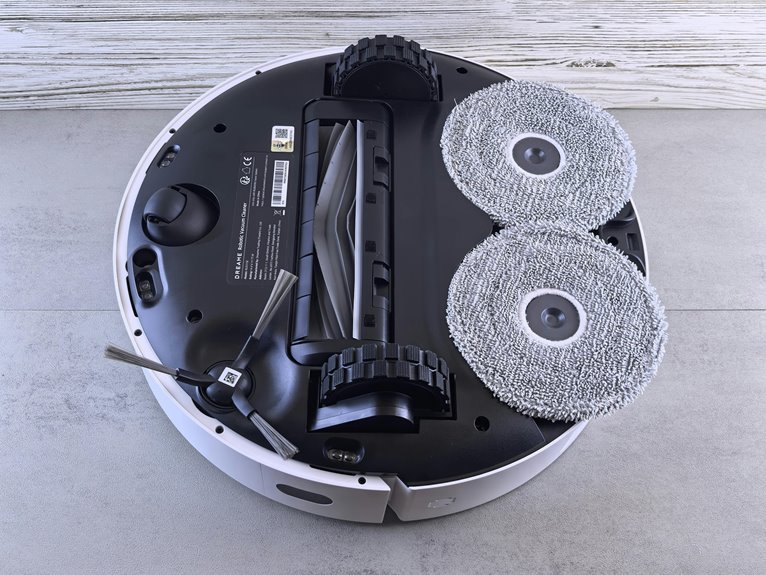

Whenever your vacuum cleaner starts dragging, jerking, or squeaking, the wheels are usually signaling a problem. Hair, string, dust, or sticky grime may be packed around the axle, and that hidden buildup can make every push feel harder than it should. In other cases, worn treads, dry bearings, bent parts, or rough floors can interfere with smooth movement. The good news is that the cause is often simple. Once you know what to inspect, the fix becomes much easier.
Why Vacuum Wheels Stop Rolling Smoothly
If your vacuum cleaner wheels stop rolling smoothly, the cause is usually something simple but frustrating, such as hair wrapped around the axle, dust packed inside the wheel housing, or sticky grime causing the wheels to drag instead of turn. This is a common problem, and it doesn’t mean your vacuum is worn out.
As buildup increases, the wheels experience more friction, so movement feels rough and uneven. Deeper issues can also develop. Dry parts can cause axle lubrication problems, while bent hardware or missing washers can throw the wheel off balance. Over time, wheel bearing wear can make movement stiff and shaky. Surface damage also matters. Cracks, flat spots, and worn treads can keep the wheel from gliding properly. A quick inspection can help you identify what’s actually slowing the wheels down.
Signs Vacuum Wheels Are Sticking
You’ll often notice the first signs when one wheel rolls unevenly or feels harder to push than the other.
As you vacuum, the machine may drag, pull to one side, or resist smooth movement across the floor.
These are clear signs that the wheels aren’t moving freely, so it’s a good idea to inspect them before the problem gets worse.
Uneven Wheel Movement
As the vacuum starts pulling to one side, wobbling, or moving jerkily across the floor, the wheels are often sticking instead of rolling evenly. You may notice wheel imbalance early, especially if one wheel turns freely while the other hesitates. That mismatch creates inconsistent movement, so the vacuum feels unstable in your hands.
If you continue cleaning, uneven wheel movement usually points to friction, wear, or a part that’s out of alignment. Hair wrapped around one axle, a dry bearing, or a loose washer can cause one side to move differently from the other.
You don’t have to guess. Spin each wheel by hand and compare how smoothly they turn. If one feels rough, stiff, or noisy, that’s a clear sign the vacuum needs attention.
Dragging During Use
If the vacuum starts feeling heavy or stubborn across the floor, the wheels may be dragging instead of turning properly. You’ll often notice this when one side resists, squeaks, or leaves faint scuff marks. That’s your cue to check common causes of wheel drag before the problem gets worse.
- Hair, lint, or string can wrap around the axle and create friction.
- Dust or sticky residue inside the wheel housing can slow rotation.
- Worn, cracked, or flattened wheels can rub instead of roll.
- Bent axles or loose parts can throw wheel alignment off.
Next, try a few simple rolling tests. Spin each wheel by hand and push the vacuum across a flat floor. If it still feels stubborn after cleaning, the vacuum needs further attention.
Hair and String Around the Wheels
If your vacuum wheels suddenly drag, hair and string wrapped around the axle may be the cause.
As debris builds up, it creates friction and prevents the wheels from rolling smoothly.
The good news is that you can usually solve the problem with careful cleaning and reduce the chances of it happening again.
Tangled Debris Buildup
Because vacuum wheels sit so close to the floor, they collect hair, string, lint, and tiny bits of debris faster than most people expect. As that material tightens, your vacuum can become harder to move, and you may wonder why it suddenly resists you across the room. You aren’t the only one. This is one of the most common hidden debris traps.
- Hair wraps tightly and slows wheel movement.
- String forms knots that create tangling.
- Lint packs into small gaps and holds grit.
- Dust collects under covers, clips, and edges.
Together, these layers form a compact ring around the wheel area. That buildup blocks normal rotation and makes pushing feel rough. When you clear it promptly with tweezers, a brush, or compressed air, your vacuum usually rolls smoothly again.
Axle Friction Issues
While tangled debris clings to the outside of the wheel, hair and string often work their way deeper and wrap around the axle itself, where they create steady friction every time you push the vacuum. As that tight bundle thickens, you feel more drag, less glide, and a wheel that seems to resist movement.
| Cause | What you notice | Why it matters |
|---|---|---|
| Hair on axle | Stiff rolling | Increases axle friction |
| String near hub | Jerky movement | Pulls wheel off balance |
| Dry bearings | Rough sound | Adds resistance |
That deeper wrap matters because it presses against moving parts you cannot easily see. You might also hear squeaks or feel uneven motion. If your vacuum suddenly feels stubborn, you are not alone. Many households experience this hidden axle friction issue in vacuum wheels over time.
Cleaning And Prevention
As hair and string wind around the wheels, you can usually solve the problem with careful cleaning and prevent it from returning as quickly.
When you set aside time for a deep cleaning, your vacuum starts working smoothly again. Begin with a simple, steady approach:
- Unplug the vacuum and turn it over so you can clearly see any hair wrapped around the wheels.
- Use scissors, tweezers, or a brush to remove strands from the axle and wheel housing.
- Wipe away dust, lint, and sticky grime that create drag and collect more debris.
- Spin each wheel by hand to confirm smooth movement and check for hidden snags.
To maintain the results, add routine upkeep to your schedule. A quick wheel check each week helps you catch buildup early and keeps your vacuum moving properly.
Dirt Inside Wheel Housings
Why do vacuum wheels suddenly feel rough and stubborn? Often, the cause is dirt packed deep inside the housing, where it isn’t visible at first. As your vacuum moves from room to room, dust compacts inside the housings, creates friction, and makes each wheel resist movement.
The issue worsens because wheel wells collect fine debris in hidden buildup points around the sides, under covers, and near clips. You may notice the vacuum drags, hesitates, or feels heavier than usual. In many homes, this is a common annoyance, not a sign that you have done anything wrong.
Once you inspect the area closely, you’ll often find dusty layers pressed against the wheel path. A small brush, tweezers, or compressed air can clear those tight spaces and help restore smooth movement.
Why Vacuum Wheels Start Squeaking
If your vacuum wheels have started squeaking, the noise usually means something in the wheel system is no longer moving smoothly. You aren’t alone, and the fix often begins with a few simple checks. As friction increases, small parts respond with sound instead of smooth rolling.
- Dust, lint, or sticky residue can cause the wheel to rub and squeak.
- Dry axle noise often shows up after grime interferes with normal movement.
- One of the main causes of bearing squeaks is contaminated, rough contact inside the hub.
- If the squeak changes when you spin the wheel by hand, friction is likely developing somewhere nearby.
That sound is your vacuum’s way of asking for attention. When you remove buildup and check for rough or dry movement, you give the wheels a better chance to roll quietly again.
Bent Axles and Worn Wheel Parts
Even after you clear away hair and dust, the wheels may still resist movement if the axle is bent or the wheel parts are worn. In that case, your vacuum may feel stubborn, but not beyond repair. A slight tilt can lead to wheel shaft damage, rubbing, and uneven rolling. This is where axle bend detection can help. Spin each wheel by hand and check for wobble, scraping, or a stop-and-start feel.
| What you notice | What it could mean |
|---|---|
| Wheel wobbles | Bent axle or worn hub |
| Rough rolling | Worn bushing or spacer |
If the tread looks flat, cracked, or chipped, the wheel may not track smoothly. If parts feel loose, they can shift under weight and create resistance. This is a common issue in many homes, and a careful inspection will usually help you identify the right replacement parts quickly.
How Damaged Wheel Housings Cause Drag
Although the wheel itself might look fine, a damaged wheel housing can quietly create drag by squeezing, scraping, or shifting the wheel out of position. When your vacuum feels stubborn, you aren’t imagining it. The housing guides the wheel, so even small cracks can press inward and create constant friction. That pressure can also cause alignment strain, which makes the wheel track unevenly and rub during every pass.
- Cracks can pinch the wheel and reduce free rotation.
- Warped plastic can tilt the wheel off center.
- Loose mounting points can let the wheel wobble and scrape.
- Broken clips can change spacing and create sidewall contact.
That is why your vacuum may feel harder to push, even after cleaning. Noticing these small signs early can help prevent more wear and keep the vacuum moving smoothly.
How Different Floors Affect Vacuum Wheels
A wheel can be clean and the housing can be intact, yet your vacuum could still feel rough because the floor itself changes how the wheels move. On hard tile, small grout lines can catch the wheels and make every push feel jumpy. On wood or laminate, dust can act like fine grit, so rolling can feel scratchy or less steady.
That shift matters because floor texture effects change traction and drag. On low rugs, the wheels usually glide better, but thick fibers create carpet pile resistance that makes your vacuum feel heavier. Plush carpet can also sink the wheels slightly, so turning takes more effort.
If you have noticed smooth movement in one room and struggle in another, you aren’t imagining it. Your vacuum responds to each surface, and that frustration is normal in many homes.
How to Clean Vacuum Wheels Safely
Before you reach for oil or decide a wheel is worn out, start with a safe, careful cleaning. Dirt, hair, and sticky grime are often the real reason the wheels drag. You aren’t alone here. A gentle cleanup often brings your vacuum back to the smooth feel your home deserves.
- Unplug the vacuum and place it on a stable surface.
- Use safe cleaning tools, such as a soft brush, tweezers, and a dry cloth.
- Check whether the wheel cover can be removed when hair or dust is trapped underneath.
- Clear the axle area, then use compressed air lightly to lift fine debris.
Next, wipe away sticky residue with a barely damp cloth, then dry everything thoroughly.
As you clean, work slowly and protect clips, screws, and plastic parts from force or excess moisture.
When to Repair or Replace Vacuum Wheels
If your vacuum wheels still stick, wobble, or grind after cleaning, the issue likely requires a repair rather than a quick fix.
Replacement is the better option if you notice cracks, flat spots, or other damage that prevents the wheels from rolling evenly.
You should also compare the cost of repair with the age of the vacuum, since a simple wheel repair can save money, while full replacement may offer better long-term value.
Signs Wheels Need Repair
When your vacuum wheels still feel stiff after you have cleaned away hair, lint, and dust, that’s a strong sign the problem goes beyond a simple blockage. You aren’t imagining it, and many homeowners run into this issue.
- If you notice visible wheel cracks, the wheel can’t stay stable.
- If hand-spinning feels rough, jerky, or noisy, the axle or bearing may need repair.
- If the vacuum pulls sideways or rubs the housing, misalignment is likely causing the problem.
- If you spot persistent wobble symptoms on flat floors, worn parts may be throwing the wheel off balance.
These signs often appear together, which can help confirm what you’re seeing.
After cleaning, test each wheel by hand and then on the floor.
If movement still isn’t smooth, repair is usually the next step.
When Replacement Makes Sense
Although a wheel problem can feel minor at first, replacement makes more sense when the wheel remains stiff, wobbles, or rubs even after you have cleaned out debris, checked alignment, tightened loose parts, and applied a small amount of lubricant. At that stage, the issue likely involves wear inside the hub, axle area, or entire wheel housing.
In that situation, replacing the wheel assembly can save time and reduce frustration. If you notice cracks, flat spots, bent components, or damage that continues to return, a repair may only postpone the real solution. Your vacuum should move smoothly with you, not work against you.
When selecting replacement parts, confirm the model number, wheel size, and attachment points carefully. A proper fit helps the vacuum roll evenly again and gives you confidence that the issue has been resolved correctly.
Cost Versus Longevity
In practical terms, the best choice depends on how much life the wheel still has compared with what the fix will cost in time, money, and effort.
The goal is a repair that feels worthwhile, not one that leaves your vacuum struggling to keep up.
- If hair, lint, or grime caused the drag, a simple cleaning usually costs less than replacing the wheel.
- If the wheel is cracked, flat, or wobbly, replacement often provides better long term durability.
- If the axle or bearing still binds after cleaning and lubrication, repair costs can rise quickly.
- If your vacuum is older, compare the price of a new wheel with the machine’s overall condition.
This approach removes the guesswork.
It helps you make a practical, steady decision that keeps your home routine running normally for everyone.
How to Keep Vacuum Wheels Rolling Smoothly
To keep your vacuum wheels rolling smoothly, start with simple care that prevents friction from becoming a larger issue. Make routine wheel care part of your regular cleaning routine so your vacuum stays reliable and ready when you need it. Check for hair, lint, and dust around the axle, beneath covers, and inside the wheel housing. Remove debris with a brush, tweezers, or compressed air.
Next, perform preventive maintenance checks so you can identify problems early. Spin each wheel by hand and check for stiffness, wobbling, or rubbing.
If parts seem dry, apply a small amount of the correct lubricant after cleaning. Tighten loose screws, inspect for cracks or flat spots, and test the vacuum on a flat floor. With consistent care, you can keep it moving smoothly and working effectively.
Frequently Asked Questions
Can Vacuum Wheels Damage Hardwood or Delicate Flooring?
Yes, your vacuum wheels can leave marks on hardwood or delicate floors if the wheel materials are hard, worn, or dirty. Protect your floors by checking for debris, using softer wheels, and choosing features designed to reduce surface damage.
Are Vacuum Wheel Problems Covered Under Manufacturer Warranty?
Yes, vacuum wheel problems may be covered under the manufacturer warranty if a defect caused the issue, not normal wear, damage, or debris buildup. Check your brand’s warranty terms, because coverage usually depends on the model, purchase date, and the results of an inspection.
Do Replacement Wheels Need to Match the Vacuum Brand Exactly?
Not always. Think of it like matching puzzle pieces. You should first check the wheel size, axle type, and brand compatibility. Some replacement wheels offer a universal fit, but if you want smooth, reliable performance, choose wheels designed for your vacuum.
Can Extreme Temperatures Affect Vacuum Wheel Performance?
Yes, extreme temperatures can affect wheel performance. Cold conditions can cause stiffness and plastic shrinkage, while heat can soften components. For smoother rolling, let your vacuum return to room temperature before use.
How Often Should Vacuum Wheels Be Professionally Inspected?
Schedule professional vacuum wheel inspections every 12 months. Service data often shows that preventive maintenance can cut repair costs by up to 30%. Include these inspection intervals in your maintenance schedule to help keep your vacuum reliable.
