
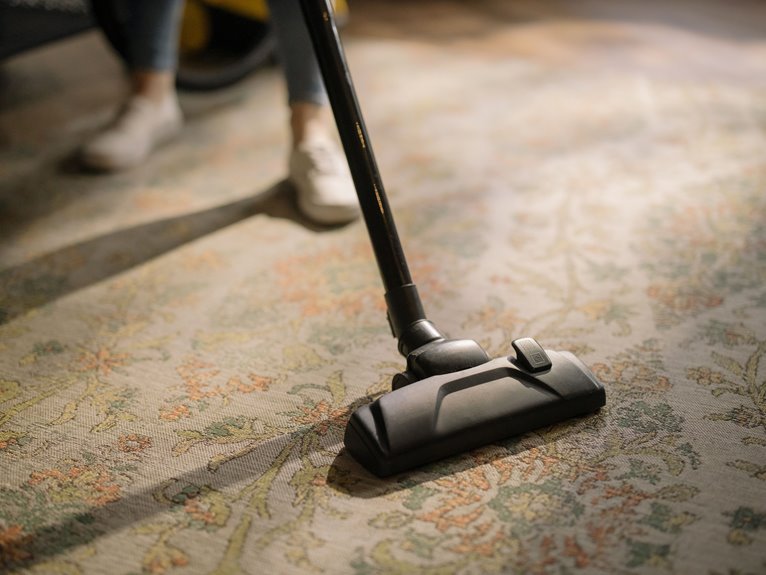

Studies suggest carpets can hold up to four times their weight in dirt, which is why regular vacuuming matters more than many people realize. Vacuuming once a week, moving slowly, adjusting the height, and giving extra attention to high traffic areas helps remove the grit that gradually wears down fibers and dulls color. The right vacuum and a clean filter are just as important, because they help preserve softness without causing damage.
Why Vacuuming Keeps Carpets Looking New
Carpet fibers act like tiny traps, holding dust, grit, and debris every time someone walks across them. Vacuuming removes that buildup before it settles deeper and causes the carpet to look worn. This simple step helps protect color, texture, and the soft feel that makes a home inviting.
Regular vacuuming also helps the pile stay upright instead of becoming flattened by daily use. Rooms feel cleaner, more comfortable, and better maintained, which helps create a welcoming atmosphere. It also supports fiber freshness by removing fine particles that can leave carpets looking dull and feeling rough over time. With the right approach, carpet has a better chance of staying bright, comfortable, and ready for daily life.
How Often Should You Vacuum Carpets?
You should vacuum most carpets at least once a week, and twice a week often keeps them looking fresher.
If your home has high-traffic areas such as entryways, living rooms, or children’s bedrooms, clean those spaces more often because dirt builds up quickly. A consistent routine helps prevent soil from settling deep into the fibers and making your carpet look worn.
Vacuuming Frequency Guidelines
Generally, vacuuming carpets at least once a week gives you a strong starting point, while twice a week often does a better job of keeping fibers bright and fresh. This simple vacuuming routine helps you stay ahead of dirt before it settles in and makes your home feel less cared for.
To make carpet care easier, build it into your weekly routine so it feels natural instead of like a chore. In rooms with light use, once a week usually keeps the carpet looking neat. If the carpet starts to look flat or dull sooner, add a second session.
Vacuum slowly and make extra passes so you lift more soil from the fibers. With a steady routine, your space feels clean, welcoming, and well maintained.
High-Traffic Area Schedule
Once you’ve set a weekly vacuuming habit, the next step is giving extra attention to the parts of your carpet that see the most use. Focus on entryways, hallways, living rooms, and the paths your family uses every day. These areas collect grit quickly, so vacuum them two to three times a week. If you have pets, kids, or frequent guests, a quick daily pass can help keep the space comfortable and clean.
To make this easier, add these spots to your weekly cleaning plan instead of treating them as extra chores. A simple room traffic map can show where dirt builds up first and where carpet fibers flatten sooner. Vacuum slowly, make extra passes, and change direction as you work. This steady routine removes soil before it settles deep into the carpet and helps keep the surface looking even, soft, and well cared for.
Choose the Right Vacuum for Carpets
The right vacuum does more than pick up crumbs. It also protects carpet fibers and helps your floors stay fresh, full, and bright. When you choose a vacuum with strong carpet compatibility, you give your home the care your family expects and appreciates. Upright models often work well for larger carpeted rooms, while canisters help you reach edges and stairs with ease.
| Vacuum type | Best fit |
|---|---|
| Upright | Wall-to-wall carpet |
| Canister | Stairs and edges |
| Stick | Small carpeted spaces |
| Bagged | Allergy-conscious homes |
If your carpet has a delicate or dense pile, check the maker’s guidance before you buy. That simple step helps you clean with confidence, protect fibers, and keep every shared room looking its best each day.
Set the Right Vacuum Height
For the best clean, set your vacuum height so the machine glides over the carpet while maintaining strong contact with the fibers. When you choose the right vacuum height setting, your vacuum works with your carpet instead of against it. If the setting is too low, the vacuum can pull hard, strain the motor, and damage the pile. If it’s too high, it may miss dirt near the base.
Start with a middle setting, then adjust until the vacuum feels smooth and steady. You want enough brush roll clearance to lift soil without being too aggressive on the carpet. Plush carpet usually needs a higher setting, while low pile carpet often performs better with a lower one. With this simple adjustment, you can help every room feel cleaner, fresher, and well cared for.
Vacuum Slowly for a Deeper Clean
After you set the correct vacuum height, your pace matters just as much. If you move too quickly, the vacuum may not lift grit from deep within the fibers. Use slow, steady passes so the brush and suction have time to work effectively. You will see better results, and your carpet will feel fresher underfoot.
| Move | Why it helps |
|---|---|
| Go slowly | Lifts buried dirt more effectively |
| Overlap lines | Picks up areas you may have missed |
| Vacuum in multiple directions | Reaches fibers from different angles |
| Repeat tough spots | Removes stubborn debris |
This simple routine helps you care for your home with confidence. Think of it as giving your carpet a real chance to breathe again. A little patience now can help your entire space feel cleaner, softer, and more welcoming each day.
Focus on High-Traffic Areas First
While your entire carpet needs consistent care, the busiest areas deserve attention first. Entryways, living rooms, and the paths between seating collect dirt quickly, so vacuum them more often than the rest of the room. Giving those areas a few extra passes helps prevent flattened, worn-looking tracks from becoming permanent.
This is especially important in a busy household where you want the space to feel clean and inviting. Pay close attention to the areas pets, children, and guests use most. Combine regular vacuuming with prompt spot cleaning, since spills often happen where people gather.
It also helps to rotate furniture from time to time. This changes walking patterns, distributes wear more evenly, and keeps your carpet looking fresh and well maintained.
Clean Edges, Corners, and Baseboards
Those busy walkways need extra passes, but the edges, corners, and baseboards need attention too because dust collects where the main vacuum head can’t fully reach. To keep every part of the room looking well cared for, switch to your crevice tool and move slowly along the wall. This helps remove corner debris before it gets pushed back into the carpet.
Then make baseboard dusting part of your routine. Use the brush attachment where the trim meets the carpet, and clean into tight spots behind doors and furniture. You’ll catch the fine grit that can spread with each step and make the whole room look less fresh.
When you clean these overlooked areas regularly, your carpet looks more even, your space feels more welcoming, and you can be confident you covered the spots everyone uses every day.
Remove Pet Hair Before It Builds Up
If you have pets, you know hair can cover carpet quickly and make even clean rooms look worn.
To stay ahead of it, remove pet hair daily and vacuum your pet’s favorite spots more often.
This extra care keeps hair from settling deep into the fibers, helping your carpet stay fresher and look newer.
Daily Hair Removal
Daily Hair Removal
Often, the best way to keep pet hair from taking over your carpet is to vacuum a little every day in the areas your pets use most. This simple habit helps keep carpet fibers fresh and makes your home feel more welcoming. A quick morning hair sweep or daily lint removal session stops loose fur before it settles in and starts clinging.
- Start with a quick pass after breakfast.
- Move slowly so the vacuum can lift more hair.
- Change direction to pull fur from every angle.
- Empty the bin often to maintain strong suction.
- Treat this habit as regular care for your shared space.
When you stay consistent, the task feels manageable.
You create a cleaner space where everyone, including your pets, belongs.
Even five focused minutes can make your carpet look calmer, softer, and better cared for each day.
Vacuum Pet Zones
Ideally, you should vacuum your pet’s favorite zones before hair begins to build up and settle into the carpet.
When you stay ahead of shedding, your home feels cleaner, fresher, and more welcoming for everyone who spends time there. Start with common pet hotspots such as beds, window perches, doorways, and the corners where your companion likes to nap.
Then use slow passes and change direction to lift hair trapped deep in the fibers. If your vacuum includes attachments, use them along baseboards and furniture edges where fur tends to collect. In busy homes, these areas may need attention several times a week.
This extra care also helps support odor control, because trapped hair often holds smells. You aren’t just cleaning the carpet. You’re keeping your shared space comfortable, warm, and inviting.
Lift Dirt Before It Wears Fibers Down
Because dirt acts like fine sandpaper under your feet, regular vacuuming does more than tidy the surface, it helps protect your carpet from premature wear.
When you stay consistent, you improve dirt removal and support real fiber protection, especially in the areas where your family gathers most.
To make each session count, you should:
- vacuum slowly so suction can pull grit from deep in the pile
- make extra passes over walkways, entry points, and favorite hangout spots
- change directions to loosen debris trapped around carpet strands
- empty the bin or bag often so your vacuum maintains strong airflow
- follow a weekly routine, and clean high traffic areas more often
That steady habit helps your home feel cared for, welcoming, and ready for the people who matter most.
Your carpet stays softer, brighter, and comfortable every day.
Watch for Carpet Problems as You Vacuum
While you vacuum, you can do more than pick up dirt, you can also spot early signs of carpet damage before they become larger, more expensive problems. As you move through each room, look for loose seams, damaged stitching, ripples, thin areas, and fraying fibers.
These small warning signs often appear first in the busiest parts of your home, such as hallways, entryways, and favorite sitting areas.
Because you’re already close to the floor, you’re in a good position to see what your carpet needs. If an area looks matted, snagged, or uneven, stop and inspect it.
You may notice pet scratching, marks from furniture being dragged, or edges that are starting to lift. Finding problems early helps protect the comfort and appearance that make your home feel welcoming, well cared for, and lived in every day.
Keep Your Vacuum Clean and Effective
The same close attention that helps you spot carpet wear can also help you notice when your vacuum needs care. When your machine stays clean, your whole home feels more cared for. Good vacuum maintenance keeps suction strong, helps your carpet look fresher, and makes each cleaning session more effective.
- Empty the bag or bin before it becomes too full.
- Check the brush roll for hair, string, and lint buildup.
- Wipe the intake and hose opening so airflow stays steady.
- Follow the recommended schedule for filter replacement and bag changes.
- Inspect wheels and attachments to make sure every part works smoothly.
As you build these habits, you’ll notice that your vacuum works with you, not against you. That steady performance helps lift fine dirt from carpet fibers and supports the welcoming, well-kept space everyone enjoys coming home to.
Avoid Vacuuming Mistakes That Cause Wear
Even with a strong vacuum, a few common mistakes can wear your carpet down faster than expected. When you rush, press too hard, or use the wrong height setting, you can crush fibers instead of lifting dirt. That’s why your vacuuming technique matters more than many people realize.
To help keep your carpet welcoming for everyone, move slowly and make steady passes in more than one direction. This helps remove grit before it grinds into the pile. Also, avoid using a vacuum with an aggressive brush on delicate carpet.
The right settings support carpet fiber protection and help your floors stay soft, even, and inviting. When you treat your carpet with care, you create a cleaner, more comfortable space that feels ready for family, friends, and everyday life together.
Use Simple Habits to Protect Carpets
Because small daily choices add up quickly, a few simple habits can go a long way in protecting your carpet between vacuuming days.
When your home feels well cared for, everyone who enters feels more welcome. That’s why simple carpet habits matter. They help you stay ahead of dirt, wear, and small messes without adding stress.
- Place mats at doors to catch grit before it gets tracked through the house.
- Ask family members and guests to remove their shoes indoors.
- Blot spills right away so stains are less likely to set.
- Keep pet paws and children’s play areas a little cleaner.
- Lift dry debris gently instead of pressing it into the carpet.
These steps support daily carpet care and help your rooms look comfortable rather than worn.
With consistent habits, you protect comfort, keep fibers fresher, and create a space everyone is happy to share.
When to Deep Clean Your Carpets
Even with regular vacuuming, your carpet will show clear signs when it needs a deeper clean, including dull fibers, lingering odors, or traffic areas that still look dirty.
Plan to deep clean your carpet every 6 to 12 months, and more often if you have pets, children, or heavy foot traffic.
Recognizing these signs and scheduling cleanings at the right time helps keep your carpet fresh, soft, and looking newer longer.
Signs Deep Cleaning Is Needed
While regular vacuuming handles much of the surface debris, there comes a point when your carpet needs a deeper clean to stay fresh and look its best. In many cases, the signs appear before the entire room starts to feel less clean.
- Lingering odors remain even after vacuuming.
- Embedded soil is visible in traffic lanes or near entryways.
- Carpet fibers look flat, matted, or darker than surrounding areas.
- Older spots return, even after careful treatment.
- The carpet feels sticky, dusty, or less soft underfoot.
These signs matter because your home should feel clean and welcoming to both you and your guests. When carpet no longer looks or feels clean, it can affect the overall comfort of the room.
A deep cleaning helps restore the fresh, well-kept feel your space deserves.
Recommended Cleaning Schedule
Once you start noticing trapped dirt, dull traffic lanes, or lingering odors, it’s a clear sign your carpet needs more than regular vacuuming.
For most homes, schedule a deep clean every six months. If you have kids, pets, or frequent guests, you may need to clean more often to prevent buildup and wear.
Weekly maintenance and seasonal deep cleaning work best together. Regular vacuuming removes loose soil before it settles in, while deep cleaning extracts what everyday life leaves behind.
Pay extra attention to entryways, family rooms, and bedrooms, since those areas collect the most grit. If your carpet still looks worn after consistent vacuuming, don’t assume you’re doing something wrong. You’re simply giving your home the level of care any well-used space requires.
Frequently Asked Questions
Can Vacuuming Help Reduce Carpet Odors Between Deep Cleanings?
Yes, vacuuming helps reduce carpet odors between deep cleanings by improving odor control and limiting allergen buildup. You will get better results with slow, frequent passes, especially in high traffic areas, and by keeping your vacuum clean.
Should You Vacuum After Using Baking Soda on Carpet?
Yes, you should vacuum after using baking soda on carpet. Many households vacuum at least once weekly, and doing so will help keep your carpet fresher too. Vacuum at the right time, then remove all baking soda residue completely so your carpet stays clean and welcoming.
Do Entrance Mats Really Help Carpets Stay Cleaner Longer?
Yes, entrance mats really help carpets stay cleaner longer by improving entryway dirt control. They trap grit before it spreads, and with smart mat placement, you can create a cleaner, more welcoming home.
Is Removing Shoes Indoors Better for Carpet Appearance?
Yes, when you leave shoes at the door, you spare carpet fibers from gritty trails and fading paths. A clear shoe policy cuts tracked-in soil, reduces carpet wear, and helps your home feel cleaner overall.
When Should You Call a Professional Carpet Cleaner?
You should call a professional carpet cleaner when stubborn stains remain, deep set grime dulls your carpet, or heavy traffic causes lasting wear. Keep your home feeling welcoming by scheduling a deep cleaning twice a year, or at least annually.
