
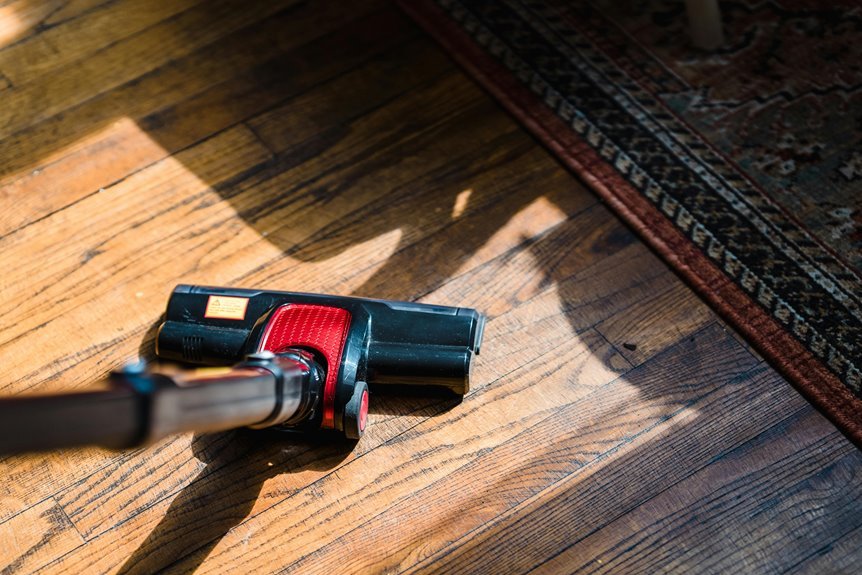

If your hard floors never seem fully clean, your vacuum settings may be the real problem. You will get better results when you switch to hard floor mode, use a soft roller or turn off the brush roll, and move the vacuum slowly with light, even suction. The details matter just as much, especially when you reach plank seams, grout lines, and dusty edges that seem to trap grit.
Start With the Right Vacuum Settings
Before you start vacuuming, make sure your vacuum is set for hard floors. The wrong setting can scratch the surface or scatter dirt instead of picking it up. That quick check helps protect your floors and makes cleaning easier. Begin by selecting the correct vacuum mode, then turn off the brush roll to protect wood, tile, or laminate.
Next, adjust the height and airflow to match the floor type. On tile, make sure the vacuum can reach grout lines without dragging. On laminate or smooth hardwood, use a lower suction setting so the vacuum doesn’t pull too hard. Move slowly, follow the direction of the planks when possible, and overlap each pass. Empty the canister often, because consistent suction helps every room feel clean and comfortable.
Choose a Vacuum Safe for Hard Floors
Since hard floors can scratch more easily than carpet, you’ll get better results with a vacuum made for hard surfaces, not a carpet-first model with an aggressive beater bar. When you choose one with a hard floor mode, soft roller, or brush roll shutoff, you help protect hardwood, tile, and laminate while still lifting grit.
That matters because your floors deserve care that fits your home and routine. Look for balanced motor power, so suction is strong enough for dust and grout lines but gentle enough for smooth planks and finishes.
Effective filtration helps trap fine particles instead of sending them back into your space. Also check for easy height adjustment, smooth wheels, and simple maintenance. When your vacuum works well with your floors, cleaning feels easier and your whole home feels well cared for.
Use the Best Attachments for Edges
For corners, use a crevice tool to pull dust and grit from spots the main head can’t reach.
Then switch to a soft brush attachment along baseboards to lift debris without scuffing hardwood, tile, or laminate.
In tight spaces, a slim nozzle lets you clean neatly around furniture legs, trim, and floor transitions.
Crevice Tools For Corners
Whenever dust collects along baseboards and in tight corners, a crevice tool helps you clean those areas without scraping the floor. Its slim shape reaches into narrow spaces where grit settles on hardwood, tile, and laminate. Guide it with a slow, steady motion so your vacuum has time to lift fine dust instead of pushing it around.
For better control, lower the suction if the tool feels too grabby on smooth floors. Angle the tip into room edges, around trim, and beside thresholds where debris gathers. If crumbs or grit are larger, pick them up first so the tool can focus on dusty buildup.
As you move from one corner to the next, you help keep your floors looking cared for, clean, and welcoming every day.
Brush Attachments Along Baseboards
Along baseboards, a soft brush attachment gives you better control than a wide floor head, especially on hardwood, tile, and laminate. You can guide it gently, lift dusty lines, and protect finishes while improving baseboard dust control. Keep the brush roll off, use low suction where needed, and move slowly so your vacuum stays easy to steer. This simple habit helps your home feel cared for, room after room.
| Surface | Best brush move | Why it helps |
|---|---|---|
| Hardwood | Follow the grain | Reduces streaks |
| Tile | Trace grout edges | Lifts trapped dust |
| Laminate | Use light pressure | Prevents scuffs |
These edge detailing techniques work best when you overlap short passes and clean the brush often. You will catch wall side grit that your wider head can miss, and your floors will feel truly finished.
Slim Nozzles For Tight Spaces
How do you reach dust packed into narrow gaps without scraping your floors? Use a slim nozzle with a soft, smooth edge. It helps you clean along trim, around furniture feet, and inside tight corners without scuffing hardwood, tile, or laminate. You stay in control, and your floors stay protected.
Then match your nozzle use to your floor settings so every pass works harder, not rougher.
- Keep the brush roll off before guiding the nozzle into narrow gaps.
- Use slow, steady passes so suction lifts grit from edges and seams.
- Lower suction when the tool pulls too hard on lightweight debris or smooth laminate.
- Angle the nozzle slightly to reach tight corners near baseboards and transitions.
- Empty the canister often so the attachment maintains strong, even airflow.
Vacuum Hardwood Without Scratches
To protect your hardwood, use a vacuum with a soft brush roll or hard floor setting, and keep the beater bar off.
Lower the suction when needed so the vacuum glides smoothly instead of pulling too hard on the surface.
Before you begin, pick up larger debris first, because even a small piece of grit can act like sandpaper and leave scratches behind.
Choose Soft Brushroll
If you want to protect your hardwood while still picking up fine dust, choose a vacuum with a soft brushroll or a soft roller designed for hard floors. The right brushroll materials matter because they glide instead of scrape, helping your floor maintain its warm, polished look.
As you compare options, look for a gentle roller design that lifts dust, crumbs, and grit without being too harsh. This lets you clean with confidence and know you’re taking good care of the space everyone shares.
- Microfiber or felt-like rollers help trap fine dust
- Soft, non-abrasive surfaces help reduce marks and dull spots
- Hard-floor brush attachments provide another safe cleaning option
You deserve tools that work with your home, not against it. A soft brushroll helps your vacuum become part of your hardwood care routine.
Adjust Suction Settings
A soft brushroll protects the finish. The next step is setting suction so the vacuum glides instead of clinging to the floor. Proper suction control helps protect hardwood, tile, and laminate from drag marks and surface stress. Start on a low setting, then make a small adjustment until dust lifts cleanly.
| Floor | Best suction | Why it helps |
|---|---|---|
| Hardwood | Low | Prevents sticking and scuffs |
| Tile | Low to medium | Cleans the surface and grout gently |
| Laminate | Low | Reduces wear and clinging |
This balance helps you stay in control and avoid unnecessary concern. If the vacuum begins to tug, lower the suction. If fine dust remains, raise it slightly. Test a quiet corner first, and you will quickly find the setting that works smoothly for your floors.
Clear Debris First
Why clear debris before vacuuming hardwood floors? Small stones, crumbs, and tracked-in grit can act like sandpaper under your vacuum. By handling pre-vacuum pickup first, you protect your floor’s finish and help your machine collect fine dust more effectively. Think of it as a simple step toward cleaner floors.
- Pick up pebbles, pet kibble, and broken pieces by hand first.
- Sweep corners and edges where gritty dirt tends to collect.
- Remove larger debris before vacuuming, so the wheels move smoothly.
This step also helps prevent rough pieces from being pushed across the boards. Once the floor is clear, your vacuum can work more gently and efficiently. That means fewer scratches, better suction, and a hardwood care routine that works well every week.
Vacuum Tile and Clean Grout
Because tile holds dust in its surface texture and traps grit deep in the grout lines, you’ll get better results if you vacuum with a hard-floor setting or a floor brush attachment instead of treating it like carpet. Set the height so the vacuum reaches both the tile surface and the grout joints without scattering debris.
Then slow down and overlap your passes, especially in high-traffic areas like entries, kitchens, and around sinks. That extra care helps lift dirt before it becomes stubborn grout buildup. If the suction feels too strong on smooth tile, lower it so you maintain control and still pull dust from textured areas.
As you work, guide the vacuum along edges, corners, and junctions where crumbs tend to collect. You’re not just cleaning the floor, you’re maintaining the shared spaces that help a home feel welcoming.
Vacuum Laminate Without Damage
To protect laminate, use a hard floor setting with a soft brush attachment or soft roller, because rough parts can leave scratches.
Keep the beater bar off and use lower suction, so the vacuum cleans effectively without pulling too hard on the surface.
Keep moisture out of the process, because even a small amount of water can seep into seams and cause damage over time.
Choose Soft Brush Attachments
When you vacuum laminate floors, the attachment you choose matters more than most people realize. A soft brush helps lift dust without scuffing the finish your home depends on every day. If you want gentle cleaning that still feels effective, choose tools with soft bristles and smooth edges. This helps protect the surface and keeps your space looking well cared for.
As you settle into a routine, these choices can help your floor stay beautiful:
- Pick a hard floor brush made for laminate, not carpet.
- Check that the attachment has soft bristles and no rough plastic edges.
- Test the brush on a small area so you can feel confident using it.
- Use a soft roller if your vacuum includes one.
- Replace worn attachments early, because your floors deserve care.
You aren’t overthinking it.
You’re taking good care of your home.
Avoid Excess Moisture
Even though laminate looks tough, excess moisture can quietly damage the finish, seep into the seams, and cause swelling that’s difficult to repair. That’s why dry vacuuming should be your main routine. It keeps floors clean without putting the surface at risk.
As you vacuum, make moisture control a priority. Don’t use wet attachments, steam features, or settings designed to pick up damp debris. If you notice a spill, dry it immediately with a soft cloth, then vacuum only after the area is completely dry.
Use lower suction so the vacuum moves smoothly without sticking, and keep the beater bar turned off. This protects more than the floor. It helps maintain a comfortable, welcoming space for everyone in the home.
Remove Pet Hair From Hard Floors
Pet hair collects along edges and in corners, so vacuum hard floors with the right setup before it spreads.
If fur seems to get everywhere, you aren’t alone. For strong pet hair pickup and better allergy control, use a hard floor setting or soft roller, and keep the brush roll off.
Move slowly so suction lifts hair instead of pushing it around. Vacuum along edges, corners, and floor junctions where strands collect, and overlap each pass. When clumps are large, pick them up first so the vacuum can remove the finer hair left behind.
- Use a soft floor attachment to protect the finish
- Empty the canister often to maintain strong suction
- Vacuum along the plank direction on wood and laminate
- Adjust height to reach tile and grout lines effectively
Clean High-Traffic Areas More Efficiently
After you’ve picked up pet hair, focus on the spots with the most foot traffic, since grit builds up there fastest and can wear down hardwood, tile, and laminate over time. Start with entryways, kitchen paths, hallways, and the space around sofas, because your home feels better when those shared areas stay clean and welcoming.
Move slowly and make overlapping passes so you lift fine dirt instead of pushing it around. On tile, guide the vacuum over grout lines and corners. On hardwood and laminate, follow the boards when possible for a neater finish.
A simple traffic zone rotation helps you cover busy areas without wasting effort. Timing matters with spot cleaning as well. When you catch crumbs, dust, and tracked-in grit promptly, you help every room feel cared for, comfortable, and ready for everyone.
Avoid Vacuuming Mistakes on Hard Floors
While hard floors look tough, they can scratch, dull, or wear faster when you vacuum them the wrong way. You protect your space best when you match the vacuum to the surface, turn off the beater bar, and use soft attachments. That simple habit helps your home stay welcoming for everyone who walks in.
Then focus on technique and vacuum maintenance, because small mistakes add up fast.
- Move slowly and overlap passes, so you lift grit instead of pushing it around.
- Vacuum with the plank direction on hardwood and laminate, and adjust height for tile and grout.
- Empty the canister, clean filters, and lower suction when needed.
Your cleaning frequency matters too. Busy rooms need more attention, while weekly care often works elsewhere. With the right habits, you keep floors looking cared for and comfortable every day.
Decide When to Sweep, Mop, or Vacuum
Good vacuum habits give you a strong base, and the next step is understanding when a broom, mop, or vacuum makes the most sense for the mess in front of you. You aren’t guessing here, you’re building a routine that fits your home and keeps every floor looking cared for.
Choose between sweeping and vacuuming based on the type of debris. Sweep as soon as you see leaves, crumbs, or larger bits that collect quickly. Vacuum when dust, grit, pet hair, and dirt settle into corners, grout lines, and plank edges.
Reach for a mop after spills, sticky spots, or tracked-in residue, especially on tile. Keep mopping frequency practical. Mop as needed, not out of habit alone, because too much moisture can be hard on hardwood and laminate.
When you choose the right tool, your space feels clean and welcoming every day.
Clean Your Vacuum for Better Pickup
Keep your vacuum in good condition, and it will reward you with stronger pickup on hardwood, tile, and laminate floors.
When dust builds up inside, the machine has to work harder and cleans less effectively. That can be frustrating when you want your home to feel fresh and welcoming.
A few simple maintenance steps can make a noticeable difference:
- Empty the canister or replace the bag before it becomes too full.
- Remove hair and debris from rollers and attachments, even if you keep the brush roll off.
- Inspect hoses for clogs that restrict airflow and reduce performance.
- Maintain filters regularly so fine dust doesn’t interfere with suction.
- Clean soft-floor tools carefully to help restore suction on hard surfaces.
This isn’t being picky. It’s taking proper care of the tool that helps keep your space looking its best every day.
Create a Weekly Hard-Floor Cleaning Routine
Set up a simple weekly routine based on how each hard floor in your home is used. A consistent plan is easier to maintain and more effective at preventing grit from wearing down the surface.
Start with a room by room vacuum schedule so busy spaces stay clean and quieter rooms still get attention. Vacuum hardwood and tile once a week. Clean laminate twice a week, especially near entries and kitchens.
Use a weekly floor zone rotation to keep the work manageable. Begin with high traffic areas, then move to bedrooms, halls, corners, and transitions. Keep your vacuum on hard floor settings, turn off the brush roll, and make slow, overlapping passes. This approach helps protect each surface and keeps your home looking clean, cared for, and ready for daily use.
Frequently Asked Questions
Can Vacuuming Help Reduce Dust Allergies on Hard Floors?
Yes, vacuuming helps reduce dust allergies on hard floors by improving dust control and supporting allergy relief. It traps fine particles before they spread and helps keep your home cleaner, fresher, and more comfortable.
What Is the Quietest Time to Vacuum in Shared Buildings?
You’ll usually vacuum most quietly in shared buildings during mid-morning or early evening, outside building quiet hours. Check your lease or ask neighbors about the best time to vacuum in your apartment, so you respect everyone’s routine and remain considerate.
How Should I Store a Vacuum to Protect Attachments?
Store your vacuum carefully to protect its attachments. Keep attachments in an organizer or on a wall mount, away from heat and moisture. This helps prevent cracks, reduces the chance of losing pieces, and keeps your cleaning setup ready to use.
Are Robot Vacuums Effective for Mixed Hard-Floor Homes?
Yes, you’ll find robot vacuums effective for mixed hard-floor homes when you choose models with smart guidance and floor mapping. They help you stay on top of dust, especially when paired with regular maintenance.
When Should I Replace a Vacuum for Better Hard-Floor Cleaning?
You should replace your vacuum when motor performance drops, suction fades after maintenance, or brush wear prevents gentle pickup. This helps keep hard floors looking their best and supports a reliable clean-home routine.
