
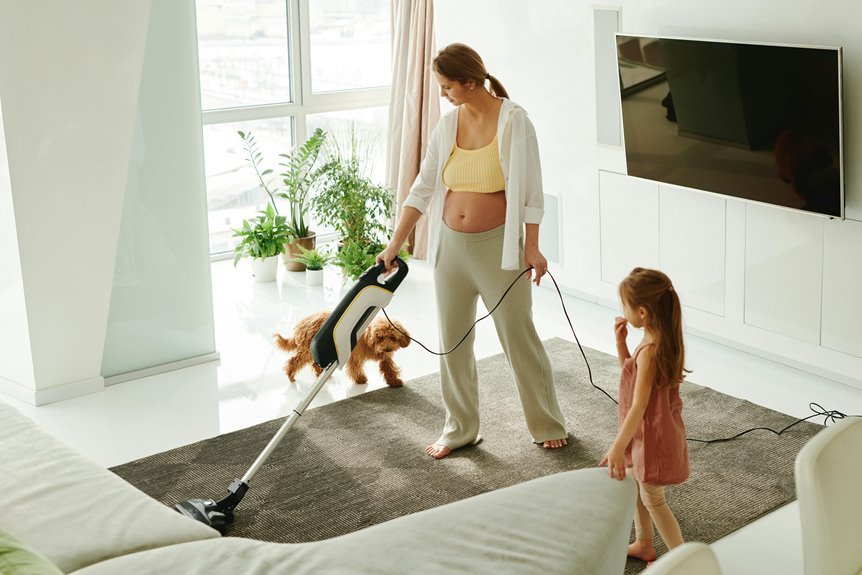

Studies estimate that up to 80% of carpet soil is dry grit. If you leave it in place, it slowly grinds down your carpet every time you walk across it. Your vacuum does more than clean the surface, it helps protect the fibers from wear, matting, and premature aging. Once you understand how dirt settles deep within the pile, it becomes clear why a simple weekly habit can help you avoid replacing your carpet sooner.
Does Vacuuming Extend Carpet Life?
Yes, vacuuming does extend carpet life because it removes dry soil and grit that slowly wear down carpet fibers every time someone walks across them. Regular carpet maintenance helps preserve the appearance and comfort that make a home feel clean and inviting.
That is why vacuuming frequency matters. If you vacuum at least once a week, your carpet has a better chance of staying fresh, soft, and durable.
In high-traffic rooms, more frequent vacuuming is usually necessary because those areas see more daily use. Carpet also lasts longer when you vacuum slowly, use the correct height setting, and pay close attention to edges and corners.
With consistent care, carpet continues to support the warm, lived-in home you’re proud to share.
How Dirt Damages Carpet Fibers
When dirt stays in your carpet, it acts like sandpaper with every step you take.
As that grit rubs against the fibers, it scrapes, weakens, and gradually breaks them down. As a result, your carpet can look worn, flat, and dull much sooner if soil isn’t removed regularly.
Abrasive Dirt Wear
Carpet holds more than what appears on the surface. Tiny bits of dirt and grit settle deep into the fibers and begin to act like sandpaper each time someone walks across the floor. In shared areas of the home, these particles cause soil abrasion that gradually scuffs the carpet surface and dulls its appearance.
| What gets trapped | What happens underfoot |
|---|---|
| Dust and dry soil | They rub against carpet fibers |
| Grit particles | They scrape the surface with each step |
This type of wear appears fastest in high traffic areas such as hallways, lounge rooms, and entryways. The more often people walk through these spaces, the more friction the carpet absorbs. Regular vacuuming removes this abrasive debris before it continues grinding against the fibers. As a result, the carpet stays cleaner, feels softer, and keeps its fresh appearance longer.
Fiber Breakdown Process
That surface grit does more than make carpet look dull. It gets pushed deep into the pile, where every step rubs sharp particles against the yarn. That friction starts fiber breakdown, and you may notice flattening, fuzzing, and dull paths where your family gathers most.
Here is how dirt turns everyday traffic into filament degradation:
- Grit settles between carpet tufts and clings to fibers.
- Foot traffic grinds particles back and forth like sandpaper.
- The outer layer frays, causing fibers to lose strength and resilience.
- Weakened strands split, mat down, and trap even more soil.
Because you want your home to feel welcoming, this matters. When you vacuum regularly, you remove dry soil before it continues wearing down the carpet. That simple habit helps your space stay soft, clean, and comfortably lived in.
How Vacuuming Protects Carpet
Although carpet looks soft, tiny bits of dirt trapped deep inside it can work like sandpaper every time someone walks across the room. When you vacuum thoroughly, you remove that grit before it flattens, dulls, and weakens the fibers. Strong vacuum suction efficiency helps pull dry soil from the pile, and regular vacuum filter maintenance keeps airflow steady, so your machine can protect every shared space your family enjoys.
| What vacuuming removes | How carpet benefits |
|---|---|
| Dry grit | Less fiber scratching |
| Dust | Brighter color |
| Embedded soil | Less matting |
| Fine debris | Better stain shield |
| Edge buildup | More even wear |
This matters because cleaner fibers stay springy and comfortable underfoot. By caring for your carpet, you also preserve the warm, lived in feeling that helps everyone at home feel comfortable together.
How Often Should You Vacuum Carpet?
Vacuuming carpet at least once a week provides a strong foundation for longer-lasting floors, but high-traffic areas often need more frequent care to remain in good condition.
The right vacuuming schedule helps protect carpet fibers before dirt becomes embedded, which keeps your home feeling clean and inviting.
Use this simple routine:
- Vacuum main living areas twice a week if they see regular foot traffic.
- Clean entryways, hallways, and family rooms three to four times a week if dirt builds up quickly.
- Vacuum pet areas two to three times a week to manage hair and tracked-in debris.
- Maintain weekly cleaning in guest rooms or other low-use spaces.
When you adjust your routine based on foot traffic, your carpet stays cleaner, softer, and better suited to a comfortable home.
Which Carpet Types Need More Vacuuming?
Because different carpet styles trap dirt in different ways, some need more frequent vacuuming to stay clean and last longer.
To keep your carpet welcoming for everyone at home, pay close attention to its texture and density. Plush, shag, and other deep-pile carpets collect more grit, pet hair, and dust, so they usually require more regular vacuuming.
What If You Rarely Vacuum Carpet?
If you rarely vacuum, dirt and grit remain trapped in your carpet and rub against the fibers every time you walk on it. This speeds up wear, makes the pile look flat, and causes your carpet to age faster than it should.
Dust and allergens also build up over time, so your carpet not only looks less fresh, but can also make the entire room feel less clean.
Fiber Wear Accelerates
Whenever you rarely vacuum, tiny bits of dirt and grit stay buried in the carpet and begin scraping the fibers each time someone walks across the room. That repeated friction causes fiber abrasion, so your carpet loses softness and strength sooner than expected. Even a cozy, well-used room can start to look worn.
Here’s what usually happens:
- Grit rubs against fibers with every step.
- Tufts bend, fray, and weaken more quickly.
- High-traffic areas flatten and begin to show pile erosion.
- The carpet wears unevenly across shared spaces.
Because your home should feel welcoming, this kind of wear can be frustrating. You want floors that stand up to family, friends, and everyday life. Regular vacuuming helps protect that comfort by removing the abrasive particles that slowly grind your carpet down day after day.
Dust And Allergens Build
Even though carpet may look fairly clean on the surface, it can still hold dust, pollen, pet dander, and other tiny particles deep in the fibers when it isn’t vacuumed often. As those particles build up, your carpet no longer feels like a fresh, welcoming part of your home and instead begins trapping irritants your family breathes every day.
Over time, that hidden debris can contribute to dust mite buildup, musty odors, and more sneezing or itchy eyes, especially in high traffic rooms. With each step, those particles can be stirred back into the air, making indoor allergen control more difficult than it should be. If you want your home to feel comfortable for everyone, regular vacuuming helps remove what you can’t see and supports a cleaner, more relaxing space.
How to Vacuum Carpet Correctly
Because the way you vacuum matters just as much as how often you do it, begin by setting your machine to the correct height and moving it slowly enough to remove the dry soil that wears down carpet fibers. You’ll get better results when you overlap your passes and use steady vacuuming patterns, especially in high traffic rooms where your household gathers.
To make every session count, focus on these habits:
- Vacuum in both directions to loosen trapped grit.
- Give entryways and family spaces extra passes.
- Use carpet attachments for edges, corners, and under furniture.
- Empty the bag or canister before it becomes too full.
When you care for your carpet this way, you also support the comfort of the people who share your home. A little patience now helps your rooms stay cleaner, softer, and more welcoming.
Does Your Vacuum Affect Carpet Life?
Your vacuum does affect carpet life, and the right machine can help protect the fibers you walk on every day. When your vacuum matches your carpet, it removes gritty soil before it can grind fibers down. This small habit helps your home feel cared for and welcoming.
Technique matters, but your machine matters too. The vacuum brush type can either lift debris gently or rough up delicate yarns. A strong model can help, but a suction power comparison shows that more force isn’t always better if it pulls too harshly or misses embedded dirt.
You want steady pickup, a well-designed head, and airflow that clears soil without putting unnecessary stress on the carpet. When you choose a vacuum that fits your carpet’s construction, you aren’t just cleaning. You’re helping your space stay comfortable, tidy, and truly lived in.
What Vacuum Settings Protect Carpet Best?
When you set the vacuum correctly, you protect your carpet instead of pushing dirt deeper into it. The goal is to lift grit while treating fibers gently, so your home stays welcoming and well cared for. Start with carpet pile settings that match the rug height. Then adjust the vacuum suction level so the machine moves smoothly without pulling too hard.
- Raise the height for thick, plush carpet.
- Lower the height for short, dense carpet.
- Use the brush roll on cut pile carpets.
- Switch to suction only on looped styles.
These settings work together to improve carpet care. If the vacuum feels stuck, the height is too low. If it leaves debris behind, the height is too high. A smooth, steady pass means you have found the right setting for your carpet.
Daily Habits That Reduce Carpet Dirt
You can reduce carpet dirt every day by asking everyone to remove their shoes at the door and by placing sturdy mats at each entryway.
Just as the right vacuum settings protect carpet fibers, these simple habits stop grit before it gets ground into the carpet.
If spills happen, protect your carpet by cleaning them up right away, before they soak in and leave a stain.
Shoe Removal Routine
Because shoes track in grit, dust, and tiny sharp particles all day, building a simple shoe removal routine at the door can reduce wear on your carpet fibers before that debris gets ground in through foot traffic. Once everyone follows the same cue, your home feels calmer, cleaner, and more welcoming.
Keep your shoe removal plan easy, friendly, and consistent:
- Ask family and guests to remove shoes as soon as they come in.
- Keep indoor slippers nearby so everyone stays comfortable.
- Create clear entryway habits, such as placing shoes in one shared spot.
- Gently remind kids and visitors until the routine becomes automatic.
This small change lowers the amount of dry soil that reaches your carpet, so vacuuming can remove what remains more effectively.
You aren’t being strict. You’re protecting the comfort your whole home shares.
Entryway Mat Placement
Right at the door, a well-placed mat catches grit, dust, and tiny abrasive particles that would otherwise travel straight onto your carpet and grind into the fibers with every step. That simple barrier helps your home feel cared for from the moment people walk in.
To create an effective dirt-trapping zone, place one mat outside and another just inside the entry. This layered setup gives shoes two chances to shed debris before it spreads. Choose sturdy mats that are long enough for a few full steps, not just a quick tap before moving on.
Smart welcome mat use also supports your vacuuming routine by reducing the amount of dry soil that reaches high-traffic carpeted areas. When your entryway works with you, everyone who comes in helps protect the carpet, and your space stays cleaner, warmer, and more inviting each day.
Prompt Spill Cleanup
Even with good mats at the door, spills can still reach the carpet and create sticky spots that collect more dirt each time someone walks by. Acting quickly helps protect the fibers your home depends on and keeps shared spaces fresh, welcoming, and well cared for.
- Start blotting the spill right away with a clean, dry cloth.
- Press gently, because rubbing can push liquid deeper into the pile.
- Use a carpet-safe cleaner only when needed, then blot again.
- Let the area dry completely before anyone walks on it.
This simple routine supports stain prevention and keeps sugary or oily residue from trapping grit. It also helps your vacuum perform better later, because dry soil is easier to remove when it hasn’t bonded to a damp mess. Small actions like this help everyone enjoy cleaner carpet.
When Carpets Need More Than Vacuuming
While regular vacuuming helps protect your carpet, it can’t remove everything that settles deep within the fibers. Over time, oils, sticky residue, and fine soil collect below the surface, especially in the areas your family uses most. At that point, deep cleaning becomes an important part of proper carpet care, not a sign that you have done anything wrong.
You want your home to feel fresh, welcoming, and well cared for, and sometimes vacuuming alone isn’t enough. Carpet shampooing can loosen grime that vacuuming leaves behind, while hot water extraction can remove trapped dirt and odors. If your carpet looks dull, feels stiff, or continues to hold odors after vacuuming, it likely needs additional attention. Taking care of the problem early helps keep your space comfortable, clean, and ready for everyone who walks in and feels at home.
How Vacuuming Delays Replacement
Because dirt wears your carpet a little more with every step, regular vacuuming can delay replacement by slowing that damage before it builds up. When you stay consistent with vacuuming, you remove gritty soil before it grinds into the fibers and weakens them. This routine protects both comfort and appearance, especially in the areas where your household spends the most time.
Here’s how vacuuming helps your carpet last longer:
- It removes abrasive dirt before foot traffic presses it deeper.
- It helps prevent fibers from matting, fading, and looking worn too soon.
- It protects stain-resistant coatings from being scratched away by grit.
- It reduces buildup in high-traffic rooms that tend to age the fastest.
In a home that’s actively used and well loved, this simple habit helps your carpet stay clean, comfortable, and in good condition longer, which can delay the need for replacement.
Frequently Asked Questions
Can Vacuuming Void a Carpet Warranty?
No, vacuuming usually will not void your carpet warranty if you follow the manufacturer’s requirements. You protect your coverage by using proper settings, approved equipment, and routine care. If you ignore those guidelines, however, you could trigger warranty exclusions.
Is Robot Vacuuming Enough for Carpet Maintenance?
Not quite. If you vacuum high-traffic carpet 2 to 3 times weekly, you’ll protect fibers better. You can rely on robot routing for regular upkeep, but you’ll still need strong suction power and occasional deep, manual passes to keep carpets in good condition.
Should New Carpets Be Vacuumed Immediately After Installation?
Yes, you should vacuum new carpets right after installation. This helps remove installation debris and supports initial fiber settling, making the space feel fresh and well cared for. Use gentle, slow passes and choose the correct vacuum setting.
Can Vacuuming Help With Carpet Odors?
Yes, regular vacuuming can help reduce carpet odors by removing odor-causing soil, dander, and debris. It also supports fresher carpet fibers and a cleaner overall feel in your home. For the best results, pair routine vacuuming with periodic deep cleaning.
Does Vacuuming Affect Indoor Air Quality?
Yes, vacuuming affects your indoor air quality by reducing dust and allergens and by disturbing particle circulation patterns. When you vacuum regularly and correctly, you remove trapped debris, which helps your home feel cleaner, fresher, and more comfortable.
