
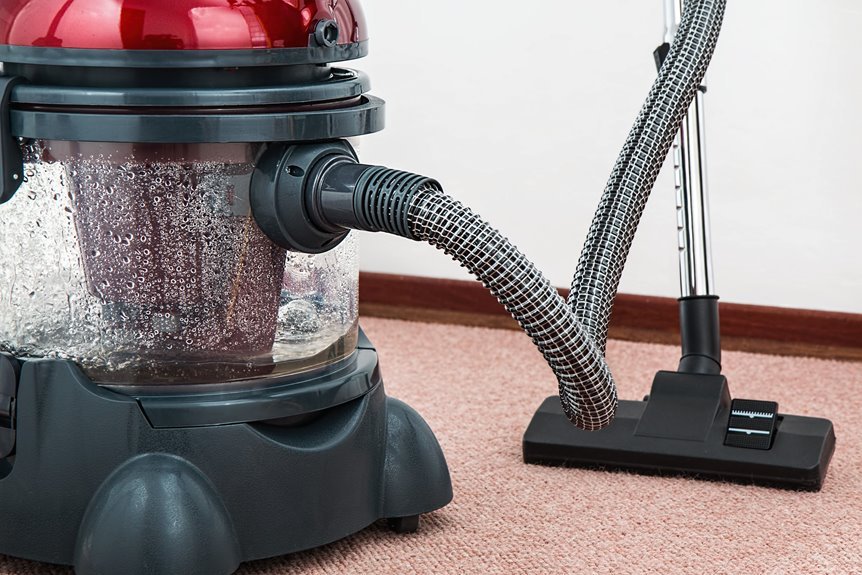

If your carpet looks tired in the areas you use most, you’re not imagining it. Foot traffic, ground-in grit, and heavy furniture compress the fibers until they lose their bounce and begin to look dull. Vacuuming helps more than many people realize because it removes debris that mats the pile and lifts fibers before the wear becomes worse. Once you understand what is happening under your feet, the solution starts to feel much more manageable.
Why Do Carpet Fibers Flatten?
Because carpet fibers are pressed down slightly each time you walk across them, flattening often begins with normal daily use. As your family gathers, plays, and moves through shared spaces, each step gently compresses the pile. Over time, the fibers can lose some of their resilience, so they don’t spring back as easily.
Flattening also depends on pile construction. A taller, softer pile may feel cozy and inviting, but it can crush more quickly than a denser style. Dirt creates another issue. Tiny particles settle deep in the pile, weigh the fibers down, and create friction that causes wear. Even newer carpet can flatten if the padding underneath doesn’t provide enough support.
If your carpet looks tired, you aren’t alone. It’s simply responding to everyday life at home.
What Causes Flat Carpet in Busy Areas?
Busy areas go flat faster because they face the most pressure, dirt, and friction every day.
When people walk the same path across the home, carpet fibers get pressed down repeatedly until they lose their ability to spring back. That’s why hallways often develop visible traffic lanes where the pile looks worn and low.
You may also notice faster flattening in the spaces where your family spends the most time.
Entry areas wear down quickly because shoes strike the same small section each time someone comes in. Furniture edges can also add pressure to nearby carpet.
- Hallways get constant foot traffic.
- Entry spots take repeated shoe impact.
- Family rooms flatten where people gather most.
If your carpet looks worn in these areas, that’s common. These patterns appear in homes that are active, well used, and busy every day.
How Do Dirt and Debris Mat Carpet?
When grit settles deep into your carpet, it presses on the fibers and keeps them bent. As debris builds up, it fills the spaces around the pile, so your carpet can’t spring back the way it should.
Foot traffic makes the problem worse because every step grinds that dirt in deeper and mats the fibers even tighter.
Grit Compresses Fibers
Although carpet looks soft and springy, tiny bits of grit work like weight inside the pile and push the fibers down every time you walk across it. Whenever soil particles come in on shoes, each step presses them deeper into the yarn. That pressure takes away the bounce your carpet needs to stand tall and feel welcoming.
You notice the effect fastest where people gather and move through the same areas:
- In busy paths, grit abrasion acts like countless tiny presses on each tuft.
- Near doors, tracked-in soil particles add weight and make fibers lean instead of recover.
- Under daily foot traffic, the pile loses room to flex, so it starts to look tired.
That is why your carpet can seem flatter even before it looks dirty. You aren’t imagining it, and you aren’t alone.
Embedded Debris Buildup
As dirt and debris settle deep into your carpet, they don’t just sit there. They wedge between fibers, add weight, and cause the pile to cling together. Over time, embedded dirt acts like tiny anchors that hold strands down, making your carpet look worn and less inviting.
This buildup also restricts airflow around the pile, which makes it harder for fibers to recover after cleaning. When you vacuum, strong suction removes trapped particles and gives the strands room to lift again. Brush action loosens packed debris, and suction clears it away before it continues matting the surface.
When you want your home to feel fresh, well cared for, and ready for guests, removing deep debris helps your carpet stay soft, open, and inviting for years.
Foot Traffic Impact
Because every step presses grit deeper into the pile, foot traffic does more than wear a path through your carpet. In high traffic areas, tiny particles act like sandpaper. They rub against fibers, bend them, and lock them down. Over time, your footfall patterns create lanes where the pile can’t bounce back, especially near doors and hallways where everyone gathers.
- Shoes grind in dust, crumbs, and outdoor grit.
- Repeated steps press debris under the fiber tips.
- Matted lanes form where your family walks most often.
That pressure matters because debris adds weight while movement adds friction. Together, they make fibers cling together instead of standing tall.
As soon as you notice those flattened paths, you aren’t alone. It’s a normal sign of a well loved home, and it responds best when you remove the gritty buildup quickly.
How Does Furniture Crush Carpet Fibers?
If you place heavy furniture on carpet, it presses the pile down and creates deep dents in one spot.
Over time, the fibers can lose their resilience, so they don’t spring back as they should. When the weight remains in place for too long, it can cause lasting matting that makes the carpet look worn, even when it’s clean.
Weight Compresses Pile
Even a sturdy carpet can start to give in under the steady weight of furniture. When a sofa, bed, or table stays in one spot, it puts constant pressure on the same tufts day after day. That compression pushes the pile downward, causing the yarns to crowd together and lose their full, even appearance.
Over time, this pile collapse can leave dents, flat patches, and matted areas that make the room look less fresh and inviting.
- Heavy furniture legs concentrate pressure in a small area, which increases force on the pile.
- Thick padding can help distribute pressure, but it can’t prevent all compression.
- Wider furniture feet usually leave less noticeable marks than narrow ones.
This is why furniture dents often look deeper than flattening caused by foot traffic. You aren’t doing anything wrong. It’s simply how a steady load changes carpet shape over time.
Fiber Memory Loss
That steady pressure does more than leave a dent. When furniture stays in one place, it causes carpet fibers to remain bent instead of standing upright with the rest of the room. Over time, that pressure reduces fiber resilience, so the strands no longer spring back after the weight is removed.
This happens because carpet pile functions like a series of tiny springs. As heavy furniture legs press down, they compress the air space and reduce the pile’s elasticity. The fibers then begin to retain that flattened shape as their new normal.
You may notice this most under sofas, chairs, or tables, where the carpet supports weight every day. It isn’t your fault, and it’s a common issue. Your carpet is simply responding to pressure the way soft materials do under continuous weight.
Long-Term Matting Effects
As that pressure continues day after day, the crushed area stops acting like the rest of your carpet and starts to look permanently matted.
When a sofa or table stays in one place, the pile remains bent. Over time, the fibers lose resilience, and the yarns can’t rise like the surrounding fibers. That change can make your room feel worn, even when you take good care of it.
- Heavy furniture legs press fibers into the backing and keep them there.
- Trapped soil adds weight, so crushed areas stay flat longer.
- Limited airflow and movement slow recovery under furniture.
Because this happens gradually, you may not notice it at first. Eventually, the dent can turn into permanent pile thinning, and your carpet no longer looks even. If that feels frustrating, you aren’t alone. It happens in many well-loved homes, especially where furniture rarely moves.
Can Vacuuming Restore Flattened Carpet?
While vacuuming can’t fix every flattened spot, it often makes a real difference by removing packed-in dirt and lifting fibers that have been pressed down by daily traffic. That matters because dirt acts like extra weight, holding your carpet down and making shared spaces look worn.
When you vacuum slowly and change direction, you give the pile a better chance to rise. Strong suction, paired with the right height setting and a rotating brush, can loosen matted fibers without being too rough. In busy rooms, that gentle agitation supports pile revival and helps your carpet feel more welcoming again.
You may not erase deep furniture dents or long-term wear, but you can improve texture, softness, and appearance. For many homes, that small reset helps the whole room feel cared for and comfortable.
How Often Should You Vacuum Carpet?
Usually, vacuuming carpet once a week keeps fibers cleaner, lighter, and better able to stand up, but busy areas of your home often need attention more often. If your hallway, entry, or family room gets daily traffic, increase vacuuming to two or three times a week. This simple habit helps your carpet stay in good condition and keeps shared spaces ready for everyday use.
To make your cleaning schedule easier, focus on the areas your household uses most:
- Vacuum hallways, family rooms, and entry areas more often.
- Clean bedrooms weekly unless kids, pets, or shoes bring in extra soil.
- Refresh spots near sofas and chairs where fibers become pressed down quickly.
When you match vacuuming frequency to the way your home is used, you protect the pile, reduce dirt buildup, and help each room stay clean and welcoming for family and guests.
Which Vacuum Settings Work Best on Carpet?
How do you get the best lift from your vacuum without being too rough on your carpet? Start with the right vacuum height. If it sits too low, fibers tug and wear faster. If it is too high, dirt stays put. You want gentle contact and steady brush agitation, so your carpet feels cared for, not overworked.
| Setting | Best use |
|---|---|
| Higher height | Plush carpet |
| Lower height | Low pile carpet |
| Medium brush agitation | Everyday rooms |
| Slower passes | Flattened traffic lanes |
That balance helps your vacuum lift soil and raise the fibers. Also, use the rotating brush only when it glides smoothly. If the vacuum feels hard to push, raise the vacuum height a notch. This is not guesswork. You are learning what helps your home feel fresh, soft, and welcoming again.
Signs Your Carpet Needs Deep Cleaning
Even with good vacuum habits, your carpet can still reach a point where regular cleaning no longer does enough. You may notice the pile looks dull, feels sticky, or stays matted after vacuuming. That usually means soil has settled deeper than your vacuum can reach.
If your home feels less fresh, there’s often a reason. Deep cleaning often becomes necessary when you notice:
- a stale carpet odor that lingers even after cleaning
- visible dirt trails in hallways, entry areas, or favorite seating spots
- fibers that look dark, flat, or uneven across shared spaces
You may also see small stains return after they seem gone. That can signal trapped residue below the surface.
When your carpet stops looking welcoming, deep cleaning can help your space feel cared for again and make it more comfortable for everyone who gathers there.
What Habits Keep Carpet Fibers Fuller?
Regularly, the small habits you keep at home make a big difference in whether your carpet stays soft and full or starts to look flat and tired.
When your family follows shoe free routines, you cut down on grit, moisture, and pressure that push fibers down. That simple choice helps your space feel cleaner and more cared for.
Next, focus on doorway mat placement so dirt gets trapped before it travels inside. You also help fibers recover when you vacuum weekly, move slowly, and change directions. In busy rooms, vacuum more often so soil doesn’t weigh the pile down.
Try rotating furniture, using pads under heavy legs, and shifting rugs now and then. These habits share the load, protect the pile, and help your home keep that welcoming, lived in comfort everyone loves each day.
Frequently Asked Questions
Do Carpet Materials Flatten at Different Rates?
Yes, carpet materials flatten at different rates because fiber resilience varies. In your home, foot traffic, dirt, and furniture weight can cause some carpets to flatten faster, while others retain their loft and resilience much longer.
Can Carpet Padding Affect How Quickly Fibers Mat Down?
Yes, you’ll notice it quickly: carpet padding can absolutely affect matting. Better padding density and the right underlay thickness help support fibers longer. If the padding is weak or thin, crushing will show up sooner in high traffic areas.
Will Steam Cleaning Damage Certain Carpet Types?
Yes, steam cleaning can damage certain carpet types, especially wool, delicate natural fibers, or carpets with sensitive backing. Watch for moisture-related damage and follow the manufacturer’s care instructions to help protect your home.
Can Area Rugs Flatten the Same Way as Wall-To-Wall Carpet?
Yes, your area rugs can flatten just like wall-to-wall carpet. Differences in rug weave affect resilience, and furniture placement can create dents. With regular care and rotation, you can keep your shared spaces looking welcoming.
When Should Flattened Carpet Be Professionally Repaired or Replaced?
Seek professional repair when carpet flattening remains severe after cleaning, brushing, or moisture treatments, especially if the backing is damaged or dents do not lift. Consider replacement when wear becomes widespread, fibers begin to break, or repairs no longer preserve the carpet’s appearance.
