
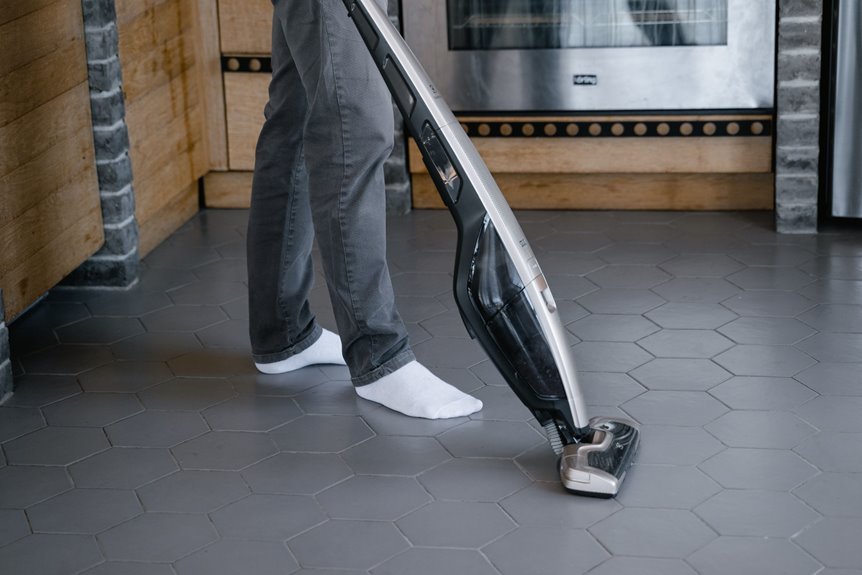

A clogged filter can cut airflow by up to 50%, which means your vacuum may work twice as hard while delivering weaker results. If you want strong suction, keep the filters clean, empty the dust bin before it becomes packed, remove hair from the brush roll, and check the hoses for hidden blockages. This simple maintenance helps protect the motor, pick up more dirt, and keep your air cleaner. The early warning signs often appear sooner than you expect.
Why Maintenance Affects Cleaning Power
Because your vacuum depends on steady airflow to lift dirt, even small maintenance issues can weaken cleaning power faster than you might expect. When filters stay clean, air moves freely, pickup feels stronger, and your vacuum maintains the airflow balance it needs to pull dust from carpet and floors.
That connection matters in everyday cleaning. When air paths stay clear and the brush roll stays free of wrapped hair, your machine delivers more consistent suction from room to room. You also help the motor work with less strain, which supports steady performance instead of the tired, fading feel nobody wants mid-clean.
Just as important, clean filters trap dust instead of sending it back into your shared space. With simple care, your vacuum keeps doing its job, and your home feels fresher, calmer, and better maintained.
What to Check When Suction Drops
When suction drops, begin with the basic checks that most often cause the problem. Check the hose, floorhead, and attachments for clogs, inspect the filter for dust buildup, and confirm that every hose connection is secure and free of leaks.
These quick steps can help you identify the issue quickly and reduce unnecessary strain on the vacuum.
Check For Clogs
When your vacuum suddenly loses suction, start by checking for clogs in the main airflow path. Inspect the hose, wand, floorhead, and attachments first. These areas often collect hair, paper, and larger debris. Clearing obstructions helps keep airflow moving and allows the vacuum to perform reliably during regular cleaning.
Next, examine the brush roll area and intake opening for wrapped string or packed dirt. Then check the dustbin or bag, since overfilling can reduce suction quickly. If you find a blockage, remove it carefully by hand or with a long tool.
Pay attention to unusual sounds and note where pickup seems weak. Staying ahead of clogs helps protect suction, reduce motor strain, and keep cleaning smooth and consistent.
Inspect Filters
Often, the next place to check after clearing clogs is the filter system, because a dirty filter can restrict airflow as quickly as a blocked hose.
Begin with a careful inspection. Remove the filter and look for packed dust, tears, damp spots, or a gray film that limits airflow. If your vacuum has a washable filter, rinse it according to the manual and let it dry completely before reinstalling it.
Next, watch for signs that your vacuum needs attention. Weak suction, higher operating temperature, and a musty dust smell often indicate a filter issue.
Clean filters help protect the motor, improve dust retention, and keep your home feeling fresher. When cleaning no longer restores airflow, replace the filter promptly so your vacuum continues to perform reliably.
Examine Hose Connections
After you’ve checked the filter, turn your attention to the hose connections, because even a small gap or loose fit can quickly reduce suction. Start where the hose meets the vacuum body, wand, and floorhead. Twist each section firmly into place and make sure nothing feels loose.
Next, inspect the connection seals and hose fittings closely. If the seals look cracked, flattened, or dusty, air may leak out before it reaches the nozzle. Run your hand along the hose to check for splits, soft spots, or hidden tears. Then confirm that attachments click on securely and sit straight.
If your vacuum still sounds louder than usual or pickup feels weak, disconnect each piece and inspect for debris lodged near the joins. Addressing these small issues early helps your vacuum maintain strong, reliable performance throughout your home.
Why Clean Filters Matter
Because your vacuum depends on steady airflow, clean filters do far more than trap dust. When filters clog, airflow drops, suction weakens, and the motor works harder than it should. You notice that slowdown right away, and your vacuum does too.
By cleaning or replacing filters on schedule, you protect pickup power, extend filter life, and help your machine last longer.
Just as secure hose connections keep air moving, clean filters keep that airflow effective. They improve filtration efficiency, so dust stays inside the vacuum instead of drifting back into your home. That means cleaner rooms, fresher air, and a space that feels better for everyone who shares it.
If your filter is washable, let it dry fully before reinstalling it. A damp filter can encourage mold and cause unwanted odors.
How a Full Dust Bin Blocks Airflow
While a clean filter keeps air moving, a dust bin that’s packed too high can restrict that same airflow just as quickly. When debris rises above the fill line, there’s less open space for air to move through the bin. This creates airflow blockage, reduces suction, and forces your vacuum to work harder than necessary.
As the bin fills, dust circulates more tightly inside instead of moving smoothly into the chamber. You may notice slower pickup, the need for more passes, and a vacuum that sounds strained. That’s a clear sign to empty the bin before performance declines further.
Keeping the bin at a proper level helps maintain strong suction, reduces stress on the motor, and supports more consistent cleaning. It’s a simple habit, but it helps keep your home feeling fresh and well cared for each day.
Why the Brush Roll Needs Cleaning
When you clean the brush roll, you prevent hair from wrapping around it and slowing its rotation. This helps your vacuum pick up more dirt from the floor instead of pushing debris around. It also improves airflow, so the motor doesn’t have to work as hard.
Prevents Hair Buildup
Even though your vacuum still turns on and sounds normal, hair wrapped around the brush roll can quietly reduce its cleaning power. As strands tighten, they trap dust, stress the belt, and make the roll harder to spin. That means your vacuum works harder than it should, and you’re left wondering why it feels off.
That is why hair wrap prevention matters. Whenever you clear away tangled strands, you help the brush roll move freely and protect key parts from extra wear.
A few simple brush maintenance tips can keep your vacuum dependable and ready for your home. Check the roll often, especially if you have pets or long hair. Use scissors or a seam ripper to cut buildup safely. With regular care, you keep your vacuum among the tools you trust most.
Improves Debris Pickup
Restore that brush roll, and your vacuum can pick up dust, crumbs, and grit more effectively from the floor. When fibers, string, and packed lint wrap around it, the bristles can’t reach deep into carpet or sweep hard surfaces clean. You deserve tools that work with you, not against you.
When the brush roll spins freely, it lifts debris so your vacuum can pull it into the nozzle with strong suction. That means better debris pickup in busy rooms where everyone tracks in messes. Clean bristles also keep steady contact across the floor, so you don’t leave behind lines of crumbs along edges or in high traffic areas. By clearing buildup regularly, you help your vacuum stay reliable, and your home feels fresh, cared for, and ready for the people who matter most.
Reduces Motor Strain
Because a tangled brush roll makes the entire vacuum work harder, cleaning it helps protect the motor from stress that isn’t always obvious at first. When hair, thread, and dust wrap tightly around the roll, airflow drops and the motor has to work harder to maintain strong suction.
You want your vacuum to stay reliable, especially in a busy home where everyone depends on it. Clean the brush roll to support motor protection and improve energy efficiency.
- Hair knots slow the brush, so the motor must strain to keep it spinning.
- Packed debris reduces smooth pickup, which can lead to longer run times.
- Extra resistance creates heat, and heat causes parts to wear down faster.
How Worn Belts Reduce Pickup
As a vacuum belt wears out, your machine can still sound normal, but it often stops picking up dirt as well as it should. The belt helps spin the brush roll that lifts debris from your floors. When belt tension weakens, the brush slows down, and carpet fibers don’t get agitated enough to release grit, hair, and crumbs.
As the belt continues to wear, drive slippage becomes more common. The motor keeps running, but less power reaches the brush roll where it’s needed most. You might notice missed strips, stubborn pet hair, or a vacuum that seems underpowered. You aren’t doing anything wrong.
Your vacuum simply needs routine care to stay reliable. By checking and replacing worn belts on time, you help your machine maintain strong cleaning performance every day.
How Hose Clogs Make Vacuums Work Harder
When a hose clog forms, your vacuum can’t move air the way it should, so suction drops quickly.
That blockage forces the motor to work harder, which increases wear and can shorten the life of the machine.
As debris continues to build inside the hose, you may notice weaker pickup, slower cleaning, and a vacuum that sounds like it’s struggling.
Reduced Airflow Efficiency
Although a vacuum might still sound normal, a clog in the hose can quietly restrict airflow and force the machine to work harder than necessary. As airflow becomes limited, the vacuum can’t move dirt as effectively, so suction drops where it matters most. As a result, carpets, corners, and rugs may appear clean without being thoroughly cleaned.
You can think of it this way:
- Dust and hair narrow the hose pathway.
- Air slows before it reaches the floorhead.
- Debris pickup becomes weaker with each pass.
Because each part of the vacuum works together, a single blockage can affect overall cleaning performance. Clearing hose clogs promptly helps the vacuum maintain better airflow, clean more evenly, and keep your home feeling fresh and well cared for.
Motor Strain Increases
Even though your vacuum still turns on and sounds steady, a hose clog can make the motor work much harder behind the scenes. When air can’t move freely, the vacuum has to work harder to maintain proper flow. That increases the motor load, so it draws more power just to perform as usual. You may not notice the strain right away, but the machine does.
As that extra effort continues, heat builds more quickly inside the unit. Over time, that added thermal stress can wear down components, shorten motor life, and reduce reliability when you need the vacuum most.
That’s why preventing hose clogs matters. You aren’t just protecting the machine, you’re maintaining a tool that helps keep your home clean, comfortable, and ready for daily life.
Debris Buildup Effects
As debris collects inside the hose, your vacuum loses the clear path needed to move air and dirt effectively. That blockage makes the motor work harder while pickup power drops where you need it most. You may notice dust left behind, louder operation, or a warm smell that signals a problem.
- Hair and lint tangle together and narrow the hose.
- Debris buildup restricts airflow and reduces suction.
- Dirt then settles deeper into rugs and corners.
Because airflow affects every part of the system, a single clog can impact attachments, the floorhead, and overall cleaning performance. Clearing the hose early helps your vacuum run more smoothly, last longer, and stay ready to deliver the clean your home and family rely on every day.
How Maintenance Protects the Motor
While airflow stays open, your vacuum’s motor can breathe, spin freely, and work without fighting clogged filters, packed bags, or blocked hoses. That steady path supports motor cooling, so heat doesn’t build up and wear parts down. You help your vacuum stay strong, and that makes your cleaning routine easier and more reliable.
When you clean filters, empty the bin before it gets too full, and clear jams from hoses or floorheads, you reduce strain on the motor. As a result, moving parts face less friction and stress during every use. That matters because lower strain supports component longevity and helps keep performance steady. You aren’t just caring for a machine. You’re protecting a trusted tool that helps your home feel fresh, welcoming, and ready for everyone who walks in.
How Routine Care Helps Avoid Repairs
Good motor care also helps you avoid the kinds of repairs that seem to appear at the worst possible time. When you stay consistent, your vacuum continues to work as a reliable part of your household, not another problem on your list. Small checks help you catch wear early, so clogs, cracked hoses, and worn belts don’t turn into costly breakdowns.
- Empty the bag before it becomes packed too tightly.
- Clear hair from the brush roll and inspect attachments.
- Follow a regular maintenance schedule and book preventive servicing before problems grow.
That routine reduces strain on key parts and helps you notice warning signs like weak suction or unusual noises quickly. Instead of scrambling for repairs, you stay ahead of them. That’s how you protect your vacuum, your time, and the smooth cleaning routine your home depends on.
How Maintenance Improves Indoor Air Quality
Because your vacuum handles the dust, pet hair, and fine dirt that build up in daily life, keeping it maintained directly affects the air your family breathes. When you clean or replace filters on time, your vacuum captures more particles instead of releasing them back into your rooms. This leads to stronger dust control and better air quality in the spaces where everyone gathers, rests, and plays.
It is also important to keep the entire system clean by emptying the bin before it becomes packed, clearing blockages, and making sure washable filters are fully dry. These simple steps support steady airflow, which helps keep dirt contained. In busy homes, especially those with kids or pets, that care helps create a fresher, more welcoming space.
You aren’t just cleaning floors. You’re helping protect the shared comfort that makes home feel like home.
Signs Your Vacuum Needs Maintenance
If your vacuum starts acting differently, it’s usually asking for help before a bigger problem appears. You aren’t imagining it if cleaning feels harder or your home doesn’t look as fresh. Small changes often mean airflow is restricted or parts are wearing down, and noticing them early helps you stay ahead.
- Weak pickup: Crumbs stay behind, carpets look dull, and the motor sounds like it’s working too hard.
- Odor warnings: Dusty smells, hot air, or a burnt scent can signal trapped debris, overheating, or stress inside the machine.
- Unusual vibrations: Shaking, rattling, or odd noises often point to blockages, worn parts, or something stuck where it shouldn’t be.
When you catch these signs early, you help protect the vacuum your household relies on each week and keep cleaning easier.
When to Do Basic Vacuum Upkeep
Usually, basic vacuum upkeep works best on a simple schedule instead of waiting for a problem to force your hand. You’ll feel more in control if you tie maintenance to your normal cleaning habits rather than to unexpected breakdowns. That steady timing helps your vacuum maintain strong airflow, protects the motor, and supports cleaner air for everyone at home.
A practical maintenance schedule often depends on how often you use the vacuum. If you vacuum frequently, check key parts each week. In busy homes with pets, kids, or heavy foot traffic, inspect them even more often.
It also helps to connect upkeep to seasonal cleaning, especially before allergy season or holiday hosting. This gives you a chance to catch full bags, clogged filters, or blocked passages ahead of time. If you stay consistent, your vacuum stays reliable, and your home feels ready for the people who matter most.
A Simple Vacuum Maintenance Routine
Start with a quick routine that fits easily into your week, so vacuum care feels simple instead of one more chore hanging over your head. When you keep up with routine cleaning, your vacuum stays ready for the messes your home faces every day.
- Empty the bin or replace the bag before it gets too full, because strong airflow helps your vacuum pick up more.
- Check the filter, hose, and floorhead for dust or clogs, then clean the brush roll so debris doesn’t slow you down.
- Finish with smart storage habits by wrapping the cord loosely and keeping the vacuum in a clean, dry spot.
That small rhythm protects suction, eases motor strain, and helps your space feel fresher.
You aren’t just maintaining a machine. You’re taking care of your home and everyone in it.
Frequently Asked Questions
How Often Should a Vacuum Get Professional Servicing?
Schedule professional vacuum servicing every 1 to 2 years to keep your machine reliable. Arrange an annual inspection sooner if you notice weak suction, odors, or unusual noises.
Can Vacuum Maintenance Help Lower Electricity Use?
Yes, vacuum maintenance can lower electricity use by improving energy efficiency and reducing power consumption. When you clean filters and remove clogs, you help your vacuum operate more smoothly, reduce strain on the motor, and maintain reliable performance in your home.
Should Maintenance Differ for Pet Homes or High-Traffic Areas?
Yes, you should tailor maintenance. In pet homes or busy spaces, protect your vacuum with more frequent care: remove pet hair buildup, empty the bin sooner, check filters often, and keep floors clear so the machine can handle heavier debris intake.
What Is the Best Way to Store a Vacuum Safely?
Store your vacuum upright in a clean, dry place, away from heat and moisture. Manage the cord neatly, empty the bin, and secure all attachments. These steps help protect your vacuum and keep your cleaning routine running smoothly.
Can Keeping a Maintenance Log Extend Vacuum Lifespan?
Yes, like a roadmap, you use logbook tracking to spot wear promptly, schedule care, and avoid breakdowns. You build a clear service history, catch patterns sooner, and help your vacuum stay reliable for your household team longer.
