
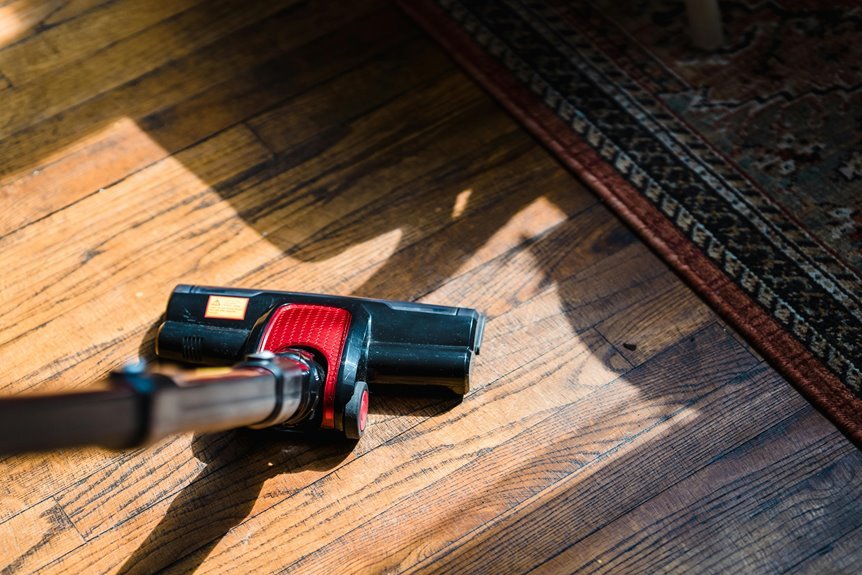

It’s true that vacuuming can ruin a delicate rug if you treat it like ordinary carpet, but you can avoid that with a gentler method. First, check the care label and inspect the weave, backing, color, and fringe. Then use low suction, turn off the beater bar, and test a small concealed corner. From there, the way you move across the pile matters more than you may think.
Check the Rug’s Care Label
Why start with the care label? It helps you protect a rug you value before you begin cleaning. Reading the care label first shows you what the rug can handle, what to avoid, and how to clean it with confidence instead of guesswork.
Next, review any manufacturer instructions that came with the rug or appear on its backing. These details often explain whether vacuuming is safe, how gentle you should be, and whether certain tools may cause damage. This step gives you a clear starting point and helps you care for your home with more confidence. It also helps you avoid small mistakes that can lead to costly damage. Think of the label as the rug’s way of telling you how to care for it properly.
Know If Your Rug Is Delicate
After checking the care label, examine the rug closely for signs of delicate construction. Small details matter. Look for rug texture clues such as a loose weave, hand-knotted patterns, a thin pile, shedding fibers, fading dye, or brittle backing. These signs suggest the rug may need extra caution.
| What you notice | What it suggests |
|---|---|
| Loose threads or fringe loss | Higher risk of delicate rug damage |
| Very soft, old, or uneven pile | Fibers may pull or crush |
Next, inspect concealed areas for wear, stiffness, or color transfer. If the rug feels fragile, antique, tufted, or unusually light, treat it as delicate. Trust your hands and eyes. If something seems off, it usually is. That instinct can help protect treasured pieces.
Use the Right Vacuum for the Rug
Once you know your rug needs gentle care, choose a vacuum that protects the fibers. Start with low suction, make sure the brush roll can be turned off when needed, and select a lightweight model that’s easy to control.
This helps you clean with more confidence and reduces the risk of snags, pulling, and wear.
Gentle Suction Settings
Usually, the safest way to vacuum a delicate rug is to start with the gentlest setting your machine allows. Choose low suction and gentle airflow at first, then increase only if the rug stays flat and stable. The goal is to lift dust, not pull at the fibers. If your machine has adjustable power, begin at the lowest level and test a concealed area. This quick check helps you proceed with confidence and protects a rug that has been carefully maintained.
As you continue, listen to the sound and watch the surface. If the rug lifts, ripples, or seems strained, lower the power immediately. Light suction works best on antique, thin, wool, and handwoven rugs. With the right setting, you can clean gently and preserve the qualities that make your space feel welcoming.
Brush Roll Compatibility
Because the wrong brush roll can do more harm than dust ever could, you should match your vacuum to the rug before you begin. Delicate, antique, wool, and flatwoven rugs usually do best with the brush roll turned off. Thick pile can handle gentle brushing, but only after you test a hidden area and check for pulling.
Your vacuum should allow you to switch off the beater bar or use a soft attachment instead. This isn’t being overly cautious. It’s how you protect something that makes your home feel warm and welcoming. Brush roll maintenance matters as well, since tangled hair or trapped grit can scrape fibers. If the bristles feel stiff, uneven, or worn down, don’t keep using it. Replace the brush roll early, and your rug is more likely to stay in good condition for years.
Lightweight Vacuum Design
The brush roll is only one part of the bigger picture, and the vacuum’s weight matters just as much. When you clean a delicate rug, a heavy machine can drag, press down, and strain the fibers. A lighter model gives you more control and helps you clean gently, especially around edges and worn areas.
- Choose a portable canister design for better reach and gentler handling.
- Look for an easy-carry vacuum weight, so you can guide it without extra force.
- Pick a compact body that moves smoothly around furniture and along rug borders.
That lighter feel supports the gentle technique you use after adjusting suction and tools.
You aren’t forcing the vacuum across the rug.
You’re guiding it with care.
This makes cleaning feel calmer, safer, and more controlled, so you can protect a rug your home values.
Turn Off the Beater Bar
Before you start, turn off the beater bar because its spinning brush can quickly tug, fray, and stress delicate rug fibers.
You can usually disable it with a brush roll button, a floor setting switch, or a height adjustment, so check your vacuum before it touches the rug.
Then keep the suction low and use a gentler setting, because your rug will stay cleaner without unnecessary wear.
Why Beater Bars Harm
If your rug feels soft or fragile, switch off the beater bar first. Those spinning brushes can strike delicate yarns too aggressively, causing beater bar damage before you even see signs of wear.
Instead of lifting dirt gently, they slap, tug, and roughen the surface. That creates pile fiber stress in rugs that need a lighter cleaning method.
This matters because your rug deserves the same level of care as any valued part of your home.
- Fast brush action can pull loops, fray fibers, and thin the pile.
- Repeated agitation can weaken older weaves and loosen threads near the surface.
- Strong brushing can distort patterns, especially on wool, tufted, antique, or shag rugs.
When you choose a gentler approach, you help your rug stay beautiful, comfortable, and an important part of the space your household enjoys every day.
How To Disable It
Start by checking your vacuum for a brush-roll control, since many models let you turn the beater bar off with a button, switch, or floor-setting dial near the handle or nozzle. If you don’t see one right away, check the vacuum attachment controls or the base plate label. If the symbols seem confusing at first, that’s common.
Next, use the manual to identify the correct power switch options for your model. On some uprights, the brush stops when you select bare floor mode. On others, you press a separate brush button after powering on.
If your vacuum doesn’t have a shutoff, detach the motorized head and use a suction-only tool instead. This simple change can make cleaning easier and help protect your rug.
Safer Vacuum Settings
Once you’ve turned the beater bar off, set your vacuum to low suction and choose the gentlest tool available. Delicate rugs respond best to light, steady cleaning instead of force.
Next, check your vacuum height settings so the head glides without scraping or tugging. If your machine offers soft suction control, use it to protect older fibers, thin weaves, and hand-finished details. You aren’t trying to deep scrub. You’re giving your rug the careful treatment a treasured item deserves.
- Raise the head slightly for plush pile, and lower it for flat rugs.
- Use an upholstery or soft brush tool on fragile areas.
- Test one concealed spot first, then keep strokes slow and even.
This simple setup helps you clean with confidence and care every time.
Test Suction on a Small Corner
Before you vacuum the whole rug, test the suction on a small concealed corner so you can catch problems early and protect delicate fibers. Start with your vacuum on its lowest setting. Then place the nozzle over a tucked away corner patch and make one slow pass. Watch closely for lifting, fuzzing, pulled threads, or changes in texture.
If the rug stays smooth, you can move forward with more confidence. If anything looks off, stop right away and reduce the suction further or switch to a gentler attachment. This quick suction check helps you prevent damage before it spreads across the rug. It also gives you peace of mind, which matters whenever you want your home to feel cared for and welcoming.
Think of it as a simple safety check your rug deserves every time.
Remove Debris Before Vacuuming
Because tiny bits of grit can act like sandpaper under a vacuum, taking a minute to remove loose debris first can help protect delicate fibers from unnecessary wear. After testing a small corner, you can keep your rug feeling cared for with a simple step that makes your cleaning routine gentler and more effective.
- Lift crumbs, pet hair, and dry dirt by hand so they don’t grind deeper into the fibers.
- If the rug is light enough, shake it outdoors and support it evenly.
- Move nearby decor and small furniture so nothing catches or snags the weave.
- Check both sides for trapped grit, especially near borders and corners.
This step helps protect the rug with the kind of care that shows attention and experience.
It isn’t excessive. It’s a thoughtful way to preserve the rug’s condition.
Vacuum With Light, Gentle Passes
Now you can vacuum the rug with slow, light passes that lift dust without tugging at the fibers. Keep the vacuum moving and follow the pile whenever possible. This helps you clean smoothly while protecting the weave your home relies on. Use a gentle stroke technique instead of quick scrubbing, because delicate rugs respond best to calm, steady care.
As you move across the surface, make short, overlapping passes for even coverage. This removes soil without pressing too hard on one area. Stay attentive and pause whenever you notice pulling, rippling, or fuzzing.
You aren’t trying to force out the dirt. You’re caring for something that adds warmth and character to your space. With patience and a light touch, your rug stays clean, comfortable, and an attractive part of your home.
Clean Around Fringe Carefully
While the main field of the rug can handle light passes, the fringe needs a much gentler approach. You’re protecting the part that shows wear earliest, so slow down and keep your vacuum head just shy of the tassels. That small change supports fringe protection and helps your rug stay beautiful in the shared spaces you care for.
- Hold the rug edge steady with your hand or foot so it doesn’t lift.
- Use a crevice tool or upholstery attachment for careful edge detailing.
- Brush fringe lightly by hand when dust sits deep between strands.
As you clean near borders, keep suction low and avoid direct contact with loose threads.
If you notice tugging, stop right away and reset your angle.
You’ll get a cleaner rug without risking snags, fraying, or that sinking feeling.
Flip the Rug to Clean the Back
Flipping the rug helps loosen dust and grit trapped underneath, so you don’t keep grinding that debris into delicate fibers from the top. Before you turn it, clear the area and lift the rug slowly so you don’t stress the weave, edges, or fringe. Then vacuum the back with gentle control, which helps push hidden dirt out and makes front-side cleaning safer and more effective.
Why Flip Matters
Because dust and grit settle deep into a rug, cleaning only the top can leave the roughest debris trapped underneath, where it continues to rub against the fibers every time someone walks across it. When you flip the rug, you allow for a more complete clean and help protect the surface your family sees every day. This simple step can support longer fiber life and a softer feel underfoot.
Before flipping, stay gentle and methodical:
- Do a quick rug edge inspection so borders don’t catch or strain during handling.
- Check the underside for debris to identify concealed grit that can cause wear from below.
- Look for thin areas, loose weave sections, or fragile spots before continuing.
This approach helps you care for your rug with confidence and ease, while supporting a well-kept, welcoming home.
Backside Dust Removal
Often, one of the safest ways to deep clean a delicate rug is to vacuum the back first, since this helps loosen trapped grit without pressing it further into the face fibers. By starting underneath, you loosen dust in a gentler, more effective way that helps protect the surface your family sees every day.
As you clean the back, you lift underside debris that regular top vacuuming may miss. That matters because hidden grit can continue working upward into the pile over time. This isn’t being fussy, it’s careful rug care that reflects patience and respect for quality.
Use calm, even passes so the vacuum removes dirt without putting stress on the weave. Then, when you return to the front, you have already reduced friction and made the entire cleaning process safer.
Safe Turning Steps
Before you vacuum the back, turn the rug carefully so you don’t strain the weave, pull the fringe, or scrape delicate fibers against the floor. Start by clearing space around it, then lift one side at a time instead of dragging it. This simple approach supports careful rug rotation and helps you stay in control.
- If the rug is large, fold it loosely from one end so you can guide it without stressing weak areas.
- Ask someone to help with safe rug repositioning whenever the rug feels heavy, antique, or especially flexible.
- Keep fringe tucked inward or lifted by hand so it doesn’t catch under the rug as you turn it.
Once the rug is flipped, smooth it flat before vacuuming. This helps the entire cleaning routine feel calm, safe, and manageable.
Avoid Common Delicate Rug Mistakes
While delicate rugs can handle routine care, a few common vacuuming mistakes can wear them down faster than most people realize. If you want your rug to stay beautiful, it helps to understand which vacuuming habits quietly cause damage. High suction, a spinning beater bar, and quick back and forth passes can pull at yarns and weaken the weave.
Protecting rug fibers also starts before vacuuming begins. Check the care label, test a hidden area, and clear the space so nothing catches on the rug.
Then use low suction, a soft attachment, and gentle strokes that follow the pile. Avoid fringe, tassels, loose threads, and lifted edges. If the rug bunches, frays, or shows signs of stress, stop immediately. This careful approach helps you clean with confidence and care.
Vacuum Delicate Rugs on the Right Schedule
Gentle technique protects a delicate rug in the moment, and the right schedule protects it over time. If you want your rug to stay beautiful and feel like part of your home for years, follow a vacuuming schedule that matches real use. This helps remove grit before it wears fibers down.
- Vacuum high traffic rugs every 1 to 2 weeks, especially in busy family spaces.
- Clean low traffic rugs once or twice a month to control dust without overworking the fibers.
- Vacuum the back side occasionally to loosen embedded debris before cleaning the front.
This traffic based approach helps you care for your rug with confidence. You don’t need to overdo it. You just need a steady routine that fits how your household lives each day.
Frequently Asked Questions
Can Sunlight Fade Delicate Rugs While Vacuuming Near Windows?
Yes, sunlight can fade delicate rugs during vacuuming near windows. Prolonged exposure through windows can speed color fading. Protect your rug by vacuuming quickly, rotating it regularly, and closing curtains or blinds whenever direct sunlight hits.
Should I Use a Rug Pad Under Delicate Rugs?
Yes, you should. Rug pad benefits include cushioning, slip prevention, and reduced fiber stress. To protect delicate rugs, choose breathable rug pad materials, such as felt.
How Do I Store a Delicate Rug Long Term?
Roll your delicate rug instead of folding it, and wrap it in acid-free material. Clean it before storage, protect it from pests, and keep it off the floor in a climate-controlled space so it stays protected.
Can Pets Damage Delicate Rugs Between Cleanings?
Yes, your pets can damage delicate rugs between cleanings. Pet claws can snag fibers, and indoor accidents may stain or weaken the backing. You can better protect your home by trimming nails, blotting messes quickly, and using rug-safe barriers.
When Should a Delicate Rug Be Professionally Cleaned?
Most delicate rugs should be professionally cleaned every 12 to 18 months. High traffic rugs may need more frequent attention, with regular vacuuming every 1 to 2 weeks between cleanings. Schedule professional care sooner if you notice stubborn stains, lingering odors, or signs of fiber distortion.
