
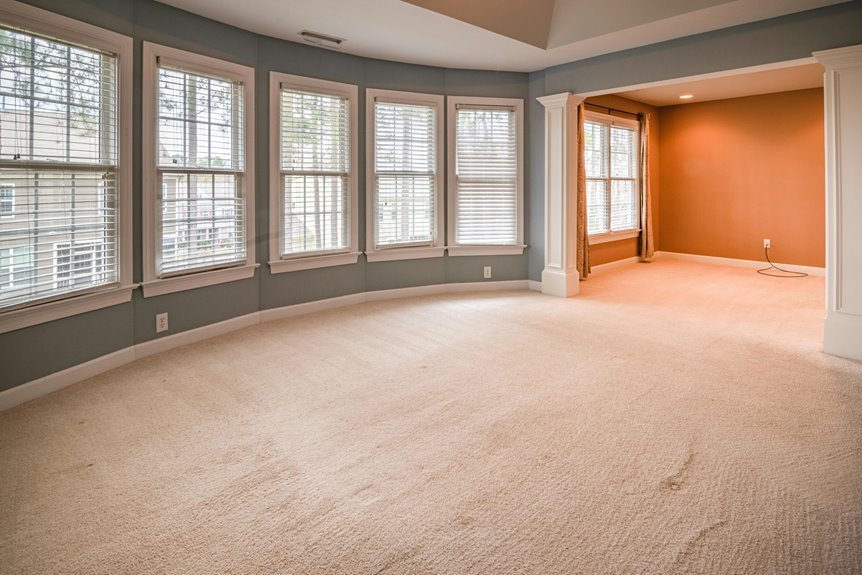

About 80% of the dirt in your carpet can come in from outside, and high-traffic areas usually show the damage first. If your entryways, halls, and common walking paths look dull or flattened, they do not have to stay that way. You can remove packed-in soil, treat worn spots carefully, and prevent further damage before it spreads. The key is knowing where to begin and understanding what your carpet needs most.
Check the Dirtiest Carpet Areas First
Before you start cleaning, closely inspect the carpet areas that receive the most foot traffic, because those spots collect the deepest dirt and show wear the fastest. Entryways, hallways, and common walking paths often contain embedded soil that isn’t immediately visible. If the carpet looks flat, dull, or darker in certain areas, you can better assess the level of soiling and wear.
This first inspection helps you clean more confidently and effectively. You can work with a clear plan instead of guessing, which makes the task easier to manage.
Check for sticky spots, dark traffic lanes, and sections where the fibers appear matted or clumped together. Also examine the edges near doors and furniture, because grime often collects there as well. By identifying the dirtiest areas early, you can give your carpet, and the shared space around it, the attention it needs.
Choose Tools for High-Traffic Carpet Cleaning
Once you’ve identified the darkest traffic lanes and the most worn paths, you can choose tools that fit the job instead of wasting time with weak cleaning equipment.
The right setup helps you feel prepared, not overloaded, and makes carpet maintenance easier for everyone in your home.
- Pick a strong vacuum with reliable suction, a rotating brush, and useful attachments.
- Keep a soft or medium-bristle brush nearby to loosen packed soil without damaging carpet fibers.
- Choose a carpet cleaner designed for high-traffic areas, such as foam, pre-spray, or quick-dry formulas.
- Use an extraction machine or steam cleaner when traffic lanes hold deep soil and sticky residue.
Together, these tools create a practical cleaning kit that fits your space, your routine, and the well-kept home you want.
Vacuum High-Traffic Carpet Properly
To keep high-traffic carpet looking clean, vacuum busy areas every day or every other day, especially near entryways and main paths.
Use slow, overlapping passes with strong suction and a rotating brush so you lift dirt trapped deep in the fibers instead of just skimming the surface.
Start where people bring in the most soil, because those spots collect grit quickly and can wear down your carpet sooner if you don’t stay ahead of it.
Frequent Vacuuming Schedule
Ideally, vacuum high traffic carpet areas every day, or at least every other day, because busy spots like entryways, halls, and the path in front of the couch collect grit quickly and trap it deep in the fibers.
To keep this simple and realistic, create a vacuuming routine your household can follow consistently. This helps everyone take part in protecting the space.
- Vacuum entry points daily.
- Clean family walkways every other day.
- Do full room touch ups two to three times a week.
- Set regular maintenance reminders on your calendar.
If your home stays especially busy, daily vacuuming prevents soil from building up.
If traffic is moderate, vacuuming every other day still makes a noticeable difference.
When you follow this schedule, your carpet looks well cared for, your rooms feel welcoming, and your home reflects shared comfort.
Proper Vacuum Technique
Now that you’ve set a steady vacuuming routine, the next step is using the vacuum correctly so it removes dirt instead of skimming the surface. Move slowly and give high traffic areas several passes, because slower strokes lift more grit from deep in the carpet fibers.
To make each session more effective, overlap your lines and vary your vacuuming pattern so you remove debris from different angles. Use forward and backward passes, then go side to side on worn paths. If your machine has suction control, adjust it so the vacuum grips the carpet without becoming difficult to push. Keep the brush roll functioning properly, empty the bin before it becomes packed, and check for clogged filters.
With the right technique, you aren’t just cleaning carpet, you’re helping care for the home everyone shares.
Focus On Entryways
Where does the most carpet grime begin? Right at your door. If you want your home to feel clean and welcoming, start with the entryway. This shared drop zone collects grit, moisture, and oils quickly, so vacuum it daily using slow, overlapping passes.
- Place sturdy mats outside and inside to improve entryway mud control.
- Set a front door shoe policy so less dirt reaches your carpet.
- Vacuum edges, corners, and the first few feet past the threshold.
- Make two to three slow passes to lift embedded particles.
Because everyone passes through this area, caring for it helps protect the rest of your carpet as well.
You aren’t just cleaning a floor. You’re creating a home that feels cared for, comfortable, and ready for the people who belong there every day.
Pretreat Stains Before Deep Cleaning
Before you deep clean a high-traffic carpet area, treat stains and dark traffic lanes first so you don’t work that soil deeper into the fibers. Start by vacuuming so loose debris doesn’t mix with your cleaner. Then identify the stain, because muddy footprints, food drips, and pet spots don’t all respond the same way. Choose a cleaner that matches both the stain and your carpet type.
Next, apply a pre-spray or foam made for traffic lanes, and let it dwell briefly. For smaller marks, blot with a clean white cloth. Press gently, lift, and repeat. Don’t rub, because rubbing can spread the stain and damage the pile. If a mark remains, try a carpet-safe peroxide-based product or a mild vinegar solution.
Loosen Embedded Dirt Safely
Before deep cleaning, loosen the packed dirt hiding low in the carpet.
Apply a carpet-safe pre-spray to high-traffic lanes, then gently work it into the fibers with a soft or medium-bristle brush, taking care not to damage the pile.
This step helps release stubborn soil, so your next cleaning pass can work more effectively.
Gentle Agitation Methods
Although scrubbing may seem like the fastest fix, gentle agitation works better because it loosens packed-in dirt without roughing up carpet fibers. When you use gentle fiber brushing, you help the carpet stay soft, even in high-traffic areas people walk on every day.
- Use a soft or medium-bristle brush to lift soil without snagging fibers.
- Work in short, steady strokes so dirt rises instead of settling deeper.
- Apply controlled pressure, because brushing too hard can bend or distort the pile.
- Follow the carpet’s grain whenever possible, since that helps the texture stay even and inviting.
This step fits right after vacuuming because it addresses what suction leaves behind. You aren’t attacking the carpet, you’re caring for a shared space that helps your home feel warm, clean, and lived in.
Pre-Treatment For Packed Dirt
Once loose soil is removed, pre-treat the packed dirt left in traffic lanes to help lift what vacuuming can’t reach without being harsh on the carpet. For the best results, choose a cleaner designed for traffic areas and test it first in a concealed spot.
Next, apply a light pre-spray or foam, not a soaking wash. If marks remain in the lane, use a stain-specific prewash that matches the carpet and the type of soil. Allow the product enough dwell time to loosen grit at the base of the fibers. Then work it in gently with a soft brush, using short strokes. Don’t scrub aggressively. This step supports the carpet’s recovery and helps keep the home clean, comfortable, and ready for everyday use.
Deep Clean With Hot Water Extraction
When high-traffic carpet starts to look dark, flat, and tired, hot water extraction can bring it back to life by flushing out the deep soil that vacuuming can’t reach. After pre-treatment loosens packed dirt, this deeper reset helps your carpet feel fresh, clean, and welcoming again.
- Use hot water with strong suction to rinse out embedded grime.
- Work slowly so deep extraction reaches lower carpet fibers.
- Make extra passes in traffic lanes where soil builds up fastest.
- Remove leftover cleaner so your carpet stays softer and looks brighter.
This method works because it does more than clean the surface. It lifts trapped soil, residue, and dulling buildup from the pile. When your home’s busiest spaces deserve to feel cared for, this step helps everyone enjoy them again.
Dry Carpet Fast to Prevent Odors
Fast drying matters just as much as deep extraction because any moisture left in the carpet can settle into the pad and lead to musty odors, mildew, and the damp smell nobody wants lingering in a busy room. Right after cleaning, use fans, open windows, and turn on airflow to move moisture out quickly.
To build on extraction, focus on quick-dry methods that keep your carpet fresh and your space welcoming. Make extra dry passes with your machine, especially in high-traffic areas, so you remove more water before it sinks deeper. Then follow simple moisture control steps. Keep people off the area, direct everyone to another path, and use a quick-drying formula when humidity is high. When your carpet dries faster, your home feels cleaner, safer, and ready for everyone again.
Deodorize Carpet Naturally if Needed
If your carpet still smells slightly off after drying, you can freshen it naturally without using harsh products.
Start with baking soda to absorb trapped odors. If you need extra odor control, follow with a light vinegar spray. For a cleaner, more comforting scent, add a few drops of essential oil, but use it sparingly so the fragrance doesn’t overwhelm the room.
Baking Soda Odor Removal
Although deep cleaning removes embedded soil, baking soda offers a simple way to freshen high traffic carpet areas that still hold odors between full cleanings. Sprinkle a light, even layer over dry carpet, let it sit for 15 to 30 minutes, then vacuum slowly to lift the powder and leave the area fresher.
- Vacuum first so the powder can reach odor sources more effectively.
- Apply a fine, even layer, not heavy piles.
- Let it sit a little longer in busy areas for better odor absorption.
- Test a hidden area first if your carpet is delicate.
This method can help your home feel more welcoming, especially when family, kids, and guests keep rooms in constant use.
You don’t need special tools, which makes it a practical option for keeping spaces fresh without extra hassle. Be patient, and you should notice a cleaner, fresher room.
Vinegar Spray Freshening
When your carpet still smells a little stale after vacuuming, a light vinegar spray can freshen the area without leaving heavy residue. You can make a simple spray by mixing equal parts white vinegar and water in a clean bottle. Then mist lightly, taking care not to soak the fibers.
Because high traffic spots can hold odors deep in the pile, this step helps your home feel welcoming again. Let the vinegar mixture sit for a few minutes, then open windows or run fans so the carpet dries quickly.
As it dries, the vinegar scent fades and carries stale odors away. If you’re caring for a busy family space, this gentle method fits easily into the routines that keep everyone comfortable, proud, and ready to gather again each day.
Essential Oils Boost
To take the fresh scent a step further, you can add a small amount of essential oil after the carpet has been cleaned and lightly deodorized. This gives the room a cozy, well-cared-for feel that welcomes everyone in. Keep the scent light because carpet fibers hold fragrance well, and the goal is freshness, not an overpowering smell.
- Mix 2 to 3 drops of lavender or lemon oil into baking soda.
- Sprinkle it lightly, wait 15 minutes, then vacuum slowly.
- Test a hidden area first to protect color and texture.
- Follow diffuser blend safety guidelines, and keep pets and children in mind.
This can provide subtle aromatherapy benefits without making the space feel heavy.
If you’re sharing your home with family or guests, this small step can help your carpet smell clean, calm, and comfortably inviting for everyone.
Protect High-Traffic Carpet From Wear
Because carpet fibers get crushed and loaded with grit in busy spots, protecting high-traffic areas starts with stopping wear before it sinks in. You can make your home feel cared for by placing walk-off mats at doors and asking everyone to leave outdoor shoes there. That simple habit keeps sharp dirt from grinding into the pile.
Next, support the carpet from below with carpet pad protection, especially in hallways and family room paths where feet land hardest. Rotate furniture often so the same lanes don’t carry all the pressure. Add furniture leg cups under heavy pieces to prevent dents that weaken fibers over time. If you want your rooms to stay welcoming, create alternate walk paths when possible and tidy entry areas often.
Small protective habits help your carpet stay soft, even, and inviting every day.
Avoid Common Carpet Cleaning Mistakes
While regular care helps traffic lanes stay cleaner longer, a few common mistakes can make those areas look worn, dull, or dirty again much sooner. If you want your home to feel fresh and welcoming, avoid shortcuts that work against your efforts. These simple missteps can undo your work and leave carpet looking tired before its time.
- Don’t scrub aggressively. Harsh scrubbing can damage carpet fibers and spread stains.
- Don’t use too much soap. Residue buildup attracts new dirt quickly.
- Avoid soaking the carpet. Too much moisture can reach the padding and slow the drying process.
- Don’t clean over loose debris. Vacuum first so grit doesn’t get pushed deeper into the fibers.
Careful cleaning helps protect the carpet your family and guests use every day. It also helps your space stay comfortable, clean, and well cared for.
Build a Carpet Cleaning Routine
Since high-traffic carpet gets dirty fast, a simple routine helps you stay ahead of the mess instead of dealing with buildup later. Start with a cleaning checklist you can realistically follow. Vacuum busy paths daily or every other day, and move slowly so you lift trapped grit before it wears down the fibers.
Then add weekly spot checks for stains, entry mats, and shoe-free reminders. If you notice traffic lanes forming, vacuum first, pre-treat the area, blot spills gently, and use light brushing only when necessary. This helps keep your carpet clean and welcoming for everyone who walks through your home.
To make the habit easier, set a maintenance calendar. Plan deeper cleaning every three to six months, and schedule professional service every six to twelve months if your rooms stay busy year-round.
Frequently Asked Questions
How Often Should High-Traffic Carpet Be Professionally Cleaned?
You should schedule professional cleaning every 6 to 12 months, or every 3 to 6 months in busy homes. Consistent cleaning helps prevent stain buildup and keeps shared spaces looking clean, fresh, and welcoming.
Can Outdoor Mats Really Reduce Carpet Cleaning Frequency?
Yes, outdoor mats can reduce how often your carpets need cleaning because proper mat placement helps capture debris before it reaches your floors. This keeps shared spaces cleaner, protects carpet fibers, and reduces the need for frequent vacuuming and deep cleaning.
Should Shoes Be Removed to Protect Carpet Longevity?
Yes, you should practice shoe removal to improve carpet longevity because it keeps dirt, grit, and moisture off shared floors. This helps create a cleaner, more welcoming home, reduces wear in busy areas, and supports a more comfortable environment for everyone.
When Is Low-Moisture Encapsulation Better Than Steam Cleaning?
Choose low-moisture encapsulation when you need fast drying and ongoing stain prevention. It is ideal for busy floors that need quick turnaround. For areas with heavy weekly traffic, it works especially well, while steam cleaning is better for removing deeper soil.
How Can Furniture Rotation Help Prevent Carpet Wear?
You can help prevent carpet wear by rotating furniture placement regularly, which distributes foot traffic and pressure across different areas. This reduces visible wear patterns, promotes more even aging, and helps keep your shared space looking welcoming.
