
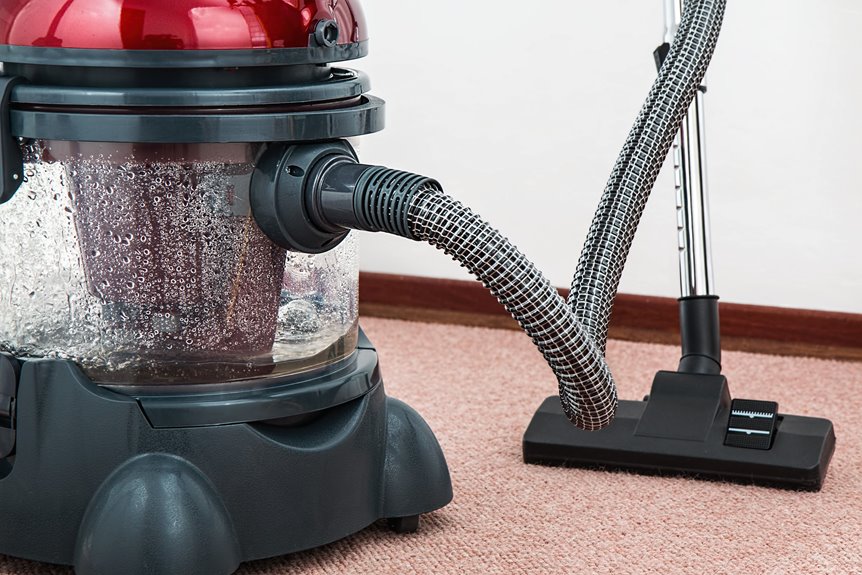

Yes, vacuuming can help prevent mold growth, but only if you treat it as one part of a bigger plan. When you vacuum regularly, you remove dust, crumbs, pet hair, and loose spores that can support mold in damp areas. It is most effective on dry floors, rugs, and corners, especially in humid rooms. However, a vacuum cannot fix a leak or reduce excess moisture in the air, and that matters more than many people realize.
Can Vacuuming Help Prevent Mold Growth?
While vacuuming can help lower the chance of mold growth, it works best as a support step, not the main fix. You can make your home feel cleaner and safer by removing surface dust, loose debris, and some spores before they settle in. For stronger dust reduction, a HEPA vacuum gives your routine more power and helps you stay ahead of buildup.
Just as important, you need to pair vacuuming with drying, airflow, and humidity control, because mold thrives when dampness remains. Your routine becomes more effective when you use fans, fix leaks, and keep indoor humidity in check. Good vacuum maintenance matters too. Empty the bin or bag often, clean the filters, let the machine air out, and never vacuum wet messes. That way, your vacuum supports a healthier space instead of making the problem worse.
Why Do Dust and Debris Encourage Mold?
Dust can hold moisture, so when it builds up, it creates a better surface for mold to grow.
Skin cells, paper, fabric, and other debris can also serve as a food source for mold, especially in damp, hidden areas. When that concealed buildup is disturbed, it can release spores into your home and make the problem more difficult to control.
Dust Traps Moisture
Because mold needs both moisture and a food source, the dust and debris around your home can quietly help it grow. When dust settles on floors, vents, and fabric, it can hold small amounts of humidity longer than clean surfaces. As a result, certain areas of your home may stay damp in hidden spots.
Here’s why that matters in everyday life:
- Dust slows evaporation, so moisture stays longer.
- It collects allergens and particles that can retain dampness.
- It builds up in corners, under furniture, and around vents.
- It creates small pockets where humid air remains trapped.
Organic Debris Feeds Mold
Clean surfaces dry faster, and they give mold less to feed on. When you vacuum away dust, lint, skin flakes, and crumbs, you remove small bits of organic matter that help mold take hold and grow. That matters because mold doesn’t need much. It can survive on the everyday buildup your household creates.
That is why organic debris buildup increases your risk, especially in busy rooms where people gather and comfort matters.
Vacuuming helps reduce food sources by removing what mold uses between deeper cleanings. When you keep floors, rugs, and corners free of debris, you create a healthier space for yourself and everyone around you. Pair that habit with good drying and airflow, and your home will feel fresher, safer, and more welcoming every day.
Hidden Buildup Spreads Spores
Even when a room looks tidy, fine debris can remain in carpet fibers, along baseboards, inside furniture seams, and in vents. That buildup can carry mold spores from one area to another. When dust is disturbed, concealed spores can become airborne and move into new areas where moisture allows them to settle and grow. That’s why hidden buildup matters in every shared space you maintain.
- Dust collects tiny organic particles that mold can use as a food source.
- Foot traffic presses debris deeper into rugs and small cracks.
- Airflow from vents moves particles onto nearby surfaces.
- Damp debris gives spores a better chance to remain in place.
Cleaning does more than improve appearance. It helps protect your space and the people in it. Vacuuming removes loose debris, but dry air and steady airflow are also necessary.
Where Does Vacuuming Help Most?
While vacuuming won’t stop mold by itself, it helps most in places where dust, loose debris, and dry mold particles collect, such as carpets, rugs, floors, baseboards, and other hard surfaces.
You will see the greatest benefit in busy rooms where your household spends time every day. Carpet maintenance matters because fibers trap dust, crumbs, pet dander, and other organic material that can support mold once moisture appears. Rugs near doors also need extra attention.
From there, focus on hard surfaces such as wood, tile, vinyl, and baseboards, where fine particles settle over time. Vacuuming these areas helps keep shared spaces cleaner and more comfortable. When you use a HEPA vacuum on dry surfaces, you capture more tiny debris and spores, supporting a cleaner routine and helping everyone at home breathe a little easier.
What Vacuuming Cannot Do for Mold
Vacuuming can help remove dry dust, loose spores, and surface debris, but it doesn’t address the underlying conditions that allow mold to grow. That distinction matters when your goal is a home that feels clean, safe, and comfortable for everyone.
Here are the main limitations of vacuuming:
- It doesn’t kill mold or stop active growth.
- It can’t reach mold embedded deep in drywall, carpet padding, or fabric.
- It isn’t a substitute for professional mold remediation when damage is extensive.
- It can’t ensure that every spore is captured, especially when using a standard household vacuum.
Why Moisture Control Matters Most
Even if you vacuum often, hidden moisture from small leaks, damp carpets, or humid air can still create the conditions mold needs to grow.
That’s why it’s important to find and fix wet spots quickly, because drying the area removes mold’s main source of support.
When you control moisture, your cleaning routine becomes more effective and your home stays safer.
Hidden Moisture Sources
Because mold depends on moisture, the real problem often hides in places you may not notice right away. You can vacuum every week and still miss what supports growth behind walls, under sinks, or around windows. That’s why your home care routine works best when you watch for small signs of moisture.
- Check for hidden leaks under sinks, behind toilets, and near appliances.
- Watch for condensation on windows, pipes, and exterior walls.
- Feel for damp carpet edges near doors, basements, or laundry areas.
- Look for peeling paint, warped trim, or musty areas inside closets.
These signs help you catch problems early and protect the spaces you share with family.
When you know where moisture hides, you’re already creating a healthier home for daily life.
Drying Prevents Mold
Once you identify where moisture is collecting, dry those areas quickly. Mold depends on water more than dust, so drying surfaces is more important than making extra vacuum passes. When you clean up leaks, run fans, open windows, and use a dehumidifier, you remove the condition mold needs most. You aren’t only cleaning, you’re helping protect your home.
Moisture removal is one of your most effective defenses. Keep indoor humidity between 30% and 50% whenever possible, and repair plumbing or roof leaks as soon as you can. Dry bathroom walls, damp carpets, and window sills before spores can settle and grow. Vacuuming still helps, especially with a HEPA model, but it’s most effective after the area is fully dry. This approach helps your home feel healthier, safer, and well cared for.
What Type of Vacuum Helps Prevent Mold?
- Pick true HEPA filters that capture very small particles.
- Choose a sealed body so air doesn’t leak during use.
- Use a bagged vacuum or an easy-empty canister that limits spore release.
- Look for washable parts that you can clean and dry fully.
Just as drying protects your home, the right vacuum supports that effort.
You aren’t trying to fight mold alone. You’re creating a cleaner, drier space where everyone can breathe easier and feel more at home.
How Often Should You Vacuum for Mold Prevention?
How often should you vacuum to help prevent mold? In most homes, vacuuming once or twice a week is a good baseline. This routine helps control dust and debris that can contribute to mold growth when moisture is present. In high traffic areas, such as entryways, living spaces, and pet zones, more frequent vacuuming may be necessary.
Your schedule should also reflect your home’s conditions. If your space feels humid, collects allergens quickly, or has a lot of carpeting, vacuuming every few days can strengthen your prevention efforts.
During seasonal cleaning, pay close attention to corners, under furniture, and other low traffic areas where dust can collect and moisture may linger. Vacuuming doesn’t need to be perfect to be effective. It works best when combined with prompt drying, good airflow, and indoor humidity kept within a healthy range throughout the year.
How Do You Vacuum Without Spreading Spores?
Vacuuming on a steady schedule helps, but the way you vacuum matters just as much when mold is a concern. To keep spores from drifting through your space, treat vacuuming as dry cleanup only, and make sure surfaces are fully dry first. This helps your home feel safer for everyone.
- Use a HEPA vacuum so fine spores stay trapped instead of blowing back into the air.
- Move slowly and overlap your passes, because rushing can stir dust and scatter debris.
- Empty the bin or remove the bag right away, then seal and dispose of the contents to contain what you collected.
- Clean brushes, filters, and canisters after use, and let the vacuum air out in a dry, ventilated area.
With these habits, you help protect the rooms you share and the people you love.
When Does Mold Require Professional Remediation?
Even with careful cleaning, there comes a point when mold requires more than a vacuum and basic wipe-downs. If mold keeps returning, you notice a musty odor, or growth is spreading across walls, ceilings, or HVAC components, it’s time for a professional assessment. Vacuuming can remove loose spores, but it can’t address hidden moisture, saturated materials, or active colonies growing behind surfaces.
This is important because mold often extends beyond what’s visible. If you’re dealing with a severe infestation, recent water damage, health symptoms, or damp drywall and insulation, don’t try to manage it alone. A professional remediation team can contain spores, remove damaged materials, and dry the area thoroughly. That gives your home a safer reset and helps ensure the problem doesn’t keep coming back.
Frequently Asked Questions
Can Mold Grow Inside a Vacuum Cleaner?
Yes, you can keep floors clean and still invite mold inside your vacuum. Whenever moisture gets trapped in the vacuum motor or internal filters stay contaminated, spores can grow. You can prevent this by emptying the vacuum, drying it thoroughly, cleaning the filters, and storing it in a dry place.
Should Vacuum Bags Be Sealed Before Disposal?
Yes, you should seal vacuum bags before disposal. Sealed disposal helps contain spores and dust, which protects your home. For extra peace of mind, follow odor control tips and take the trash outside promptly.
Is Damp Wiping Necessary After HEPA Vacuuming?
Yes, you should damp wipe afterward. HEPA vacuuming can leave a galaxy of stubborn particles behind. This improves surface residue cleanup and dust removal, and it helps your space stay cleaner, safer, and more welcoming.
Can Dehumidifiers Help After Mold Cleanup?
Yes, dehumidifiers help after mold cleanup by supporting humidity control and reducing moisture. They keep surfaces drier, discourage regrowth, and better protect your space when used with ventilation, leak repairs, and thorough drying.
Where Should a Vacuum Be Stored to Discourage Mold?
Store your vacuum in a dry area with humidity below 55%. Place it on a raised shelf or in a closet where air can circulate and damp floors will not affect it. This helps keep your home cleaner, safer, and more resistant to mold.
