
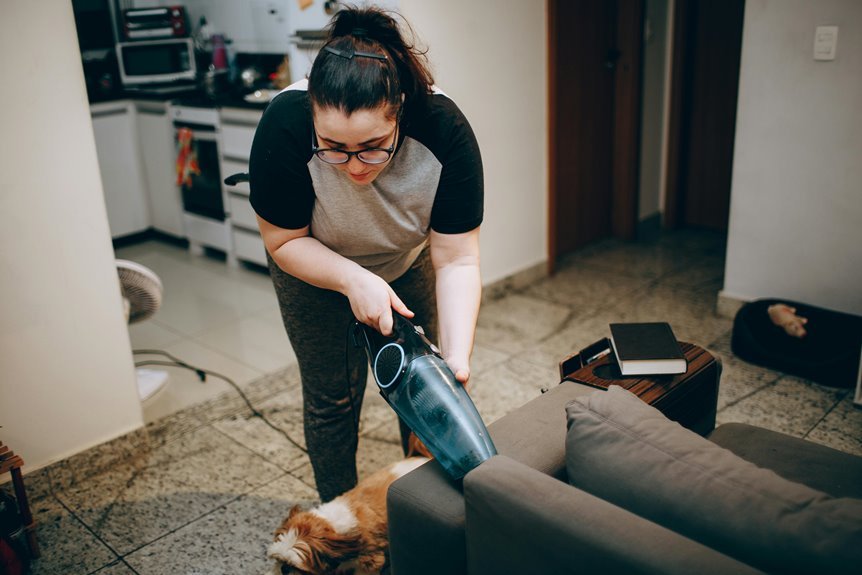

You may not know that pet dander is not just the fur you can see. It is made of tiny skin flakes that settle deep into carpet, fabric, and cracks around your home. That is why vacuuming can help control it, especially when you use a sealed HEPA vacuum and move slowly over the areas where your pet rests most. Still, the wrong vacuum can stir those particles back into the air, which affects what actually works.
Does Vacuuming Reduce Pet Dander?
Yes, vacuuming does reduce pet dander, especially when you use a true HEPA vacuum with a sealed system. That matters because you want your home to feel welcoming, not sneezy. A true HEPA model traps tiny particles, including much of the dander hiding in carpets, rugs, upholstery, pet beds, stairs, and under beds.
For better dander cleanup, vacuum slowly and often, not just when the fur starts staging a rebellion. In pet homes, vacuuming twice a week helps, and daily passes in favorite pet zones can make a real difference. Keep the limitations in mind. Vacuuming lifts and removes plenty of dander, but it won’t catch every deeply embedded particle.
Even so, when you stay consistent and target the right spots, you create a cleaner space everyone can enjoy together.
Why Pet Dander Builds Up Fast
Your pet sheds tiny skin cells all day, so dander keeps coming back even if you clean often. It settles deep into carpets, couches, pet beds, and other fabrics that trap it quickly.
Air movement from walking, fans, and heating vents can also spread those allergens throughout your home and into the areas you use most.
Constant Skin Cell Shedding
Because pets shed tiny skin flakes all day, pet dander can build up much faster than most people expect. Your pet’s body never really pauses this process.
As old skin cells loosen and fall away, new ones replace them through normal skin turnover and epidermal renewal. This means dander continues to accumulate even when your home looks clean and your pet seems freshly groomed.
Dander Traps In Fabrics
That nonstop shedding doesn’t stay on your pet for long. It settles into the places that make your home feel warm and shared, like couches, rugs, blankets, and pet beds. Because these materials have texture and tiny spaces, they hold onto flakes quickly. That’s where fabric absorption becomes a real issue in pet homes.
Once dander lands, fibers hold it through friction and depth. Soft upholstery, thick carpet, and woven throws create strong textile retention, so particles sink below the visible surface. That means your favorite cozy spots can store more dander than hard floors. If you live with pets, you aren’t doing anything wrong.
Fabrics are simply designed to catch and hold what your pet leaves behind, especially in high use rooms where everyone gathers each day.
Airflow Spreads Allergens
Even after dander settles into fabric, air movement can keep it from staying put for long. As you walk, sit, fluff pillows, or run a fan, tiny flakes can lift back into the air and spread through your shared space. That is one reason pet dander can build up quickly. Air circulation in your home moves allergens from floors to couches, shelves, and bedding. Ventilation also plays a role, because vents and drafts can carry dander into rooms where your pet does not even sleep.
| Air movement | What happens |
|---|---|
| Foot traffic | Dander lifts from rugs |
| Ceiling fans | Allergens spread more widely |
| HVAC vents | Particles move from room to room |
| Open windows | Drafts stir settled dander |
Which Surfaces Trap the Most Dander?
Where does pet dander hide the most? You’ll usually find it clinging to soft, fibrous surfaces that make your home feel warm and lived in. Fabrics hold tiny skin flakes easily, so dander settles deep where your family gathers and rests. That includes upholstered headboards, sofas, rugs, blankets, and pet beds. It also sticks in textured corners and folds, which helps it linger longer.
- Carpets and area rugs trap flakes between dense fibers.
- Sofas, chairs, and cushions hold dander where you relax together.
- Bedding, throws, and upholstered headboards collect particles near your face.
- Pet carried dander on curtains settles into fabric pleats and hems.
Hard floors can collect dander too, but soft materials usually hold more of it, especially in rooms your pet uses most often.
Where Vacuuming Helps the Most
Once you know that dander clings to soft, high-traffic surfaces, it becomes easier to see where vacuuming helps most. You’ll get the biggest payoff from carpets, area rugs, couches, and chairs where your pet naps beside your family. Pet beds deserve special attention because they collect skin flakes, fur, and dust in one concentrated spot.
Next, move to stairs, especially along the edges, where dander settles and often gets missed during quick cleanups. Vacuum under beds, along baseboards, and beneath furniture where shed material drifts and collects. If your pet favors one corner of the sofa or a specific rug, treat that area as home base.
When Vacuuming Makes Dander Worse
If your vacuum has poor exhaust filtration, it can send fine dander back into the air you breathe. An aggressive brush roll can also make things worse by hitting carpets and upholstery too hard, which loosens settled particles faster than the vacuum can capture them.
That’s why the wrong machine, or a rough cleaning approach, can leave you sneezing even after you have just vacuumed.
Poor Filter Exhaust
Although vacuuming can remove a lot of pet dander, a vacuum with poor filter exhaust can also push tiny allergen particles right back into your room. If your vacuum has exhaust leakage or filter bypass, you aren’t getting the clean, shared comfort your home deserves. Instead of trapping dander, the machine can release it into the air you and your family breathe.
- Check for a true HEPA filter, not just “HEPA-like”
- Choose a sealed system to limit concealed leaks
- Replace worn filters so trapped dander stays trapped
- Notice dusty smells or sneezing during use
That matters because pet dander is very fine. When exhaust air escapes around weak seals or bad filters, those particles can spread across carpets, furniture, and bedding again. You belong in a home that feels safer, calmer, and easier to breathe in every day.
Aggressive Brush Agitation
A good filter helps keep dander from blowing back into the room, but the brush roll can still create problems when it agitates carpet and upholstery too aggressively. Heavy brush pressure can launch settled dander into the air before the vacuum has a chance to capture it. Instead of making shared spaces more comfortable, it can leave them feeling irritated and unsettled.
The problem is more noticeable on plush rugs, pet beds, and couches, where fur and skin flakes collect deep in the fibers. If the vacuum also catches loose hair, it may pull at fabric and can even contribute to coat matting during pet grooming.
Better results come from reducing brush pressure, moving more slowly, and turning off the brush roll on delicate surfaces. This gentler method helps you clean effectively without stirring up a dusty cloud, so your home feels calmer, fresher, and easier for everyone to enjoy.
How to Vacuum Without Spreading Dander
Because pet dander is so light, the way you vacuum matters almost as much as how often you do it. Start with pre-vacuum dusting so loose particles settle instead of floating around your shared space. Then use a true HEPA vacuum with a sealed system, and move slowly over carpets, upholstery, stairs, and pet beds.
- Vacuum in overlapping passes to catch fine dander.
- Use attachments on fabric, corners, and under furniture.
- Empty the vacuum outside using sealed bag disposal to limit blowback.
- Keep windows open when possible for better air movement.
This approach helps you clean without sending allergens back into the room.
You deserve a home that feels welcoming, not irritating. By working carefully and using the right tools, you protect the spaces where everyone gathers, relaxes, and feels at ease each day.
How Often Should You Vacuum?
You’ll get the best dander control when you vacuum at least twice a week, and even more often in the rooms your pet uses most.
When your pet sheds heavily, focus on beds, rugs, furniture, stairs, and other high-shed areas where dander builds up fast.
During seasonal shedding spikes, you may need to vacuum daily for a period to keep allergens from taking over your space.
Vacuuming Frequency Guidelines
Ideally, vacuum at least twice a week in a home with pets, since steady cleaning does far more for dander control than the occasional deep clean. For better results, create a simple vacuum schedule and follow regular cleaning intervals. That rhythm helps your home feel fresher, calmer, and easier to share with everyone.
- Vacuum twice weekly to keep dander from piling up.
- Increase sessions if you have multiple pets or stronger allergy symptoms.
- Treat weekly vacuuming as the bare minimum, not the goal.
- Stay consistent for several weeks, since relief usually builds over time.
In other words, you’re creating a routine your whole household can rely on. When you vacuum often, you remove more dander before it settles deeply into fabric. That steady habit helps you feel more comfortable, included, and at home.
High-Shed Areas
Regular vacuuming sets the baseline, and high-shed areas need even closer attention. If you share your home with pets, you already know certain spots collect fur and dander faster than others. These high-shed zones deserve daily or near-daily passes, especially where your pet naps, plays, or waits for you.
Start with rugs, stairs, pet beds, and the corners under tables. Then move to furniture that collects heavy fur, such as couches and padded chairs, because fabric holds onto dander long after loose hair disappears. Use slow strokes so your vacuum can pull up what you can’t see.
If your pet follows the family from room to room, check those paths often as well. By staying on top of these spaces, you create a cleaner, more comfortable home where everyone, including those with sensitive noses, can settle in more easily each day.
Seasonal Cleaning Needs
As the seasons shift, your vacuuming routine should shift too, because pet dander rarely stays at the same level all year. You’ll usually need at least twice-weekly vacuuming, but during spring shedding patterns and allergy season changes, daily passes in pet zones can help your home feel calmer and more welcoming.
A true HEPA, sealed vacuum works best on carpets, furniture, stairs, and pet beds.
- Vacuum high-use rooms more often whenever fur looks heavier
- Slow down on rugs and upholstery so dander gets trapped
- Clean under beds and along edges where buildup hides
- Wash pet bedding often, then vacuum around it right after
If you share space with multiple pets, or your symptoms flare, increase frequency before dander piles up. That steady rhythm helps everyone in your home breathe easier together, every day.
Which Vacuums Work Best for Dander?
When pet dander keeps floating back into your space, the best vacuum is a true HEPA model with a sealed system because it traps 99.97% of particles as small as 0.3 microns instead of leaking them back into the room.
From there, choose a style that fits how your home really works. Uprights give you strong suction on rugs and pet beds. Cordless canisters help you reach stairs, couches, and under furniture without feeling boxed in.
If you need quick daily touch-ups, a HEPA stick vacuum keeps your routine easy. Also, look for sealed motors, adjustable height settings, and tools for upholstery and edges. These details help you clean the spots your pet uses most.
When your vacuum matches your space, you feel more in control and more at home every day.
Do HEPA Filters Help With Pet Dander?
Why do HEPA filters matter so much for pet dander? They help keep your home comfortable, welcoming, and easier to share.
With true HEPA filtration, your vacuum can trap 99.97% of tiny particles as small as 0.3 microns, including dander. That means less of it gets blown back into your rooms while you clean.
- HEPA filtration captures very fine pet dander
- A sealed vacuum design helps stop allergen leaks
- Cleaner air can make shared spaces feel calmer
- Better filtration supports your regular cleaning routine
A sealed vacuum design is also important because it works with the filter to keep dander inside the machine. Without that seal, particles can escape.
When you vacuum carpets, upholstery, pet beds, stairs, and under furniture, you help create a fresher space for everyone in your home.
What Vacuuming Can’t Remove
A HEPA vacuum can pick up a lot of pet dander, but it can’t remove everything that triggers symptoms. Some particles stay deep in carpet padding, sofa stuffing, curtains, and mattresses, where embedded allergens cling and build up over time. Even when your floors look clean, allergenic proteins can still remain on fabrics and in the air you share at home.
That is why you may still notice symptoms after a good cleaning session. Vacuuming can also stir fine particles before the filter traps them, so exposure doesn’t always end right away. And while a vacuum removes debris, it doesn’t deactivate the proteins that cause reactions. In a pet loving home, that matters. You aren’t doing anything wrong. You’re simply seeing the limits of one tool, which is why experts pair vacuuming with nonvacuum controls too.
Other Ways to Reduce Pet Dander
Since vacuuming can only do part of the job, you’ll get better relief when you add a few other steps that reduce dander at the source and limit how much spreads through your home.
This means creating routines your household can maintain, so your space feels cleaner, calmer, and more comfortable.
- Bathe and brush your pet weekly to reduce loose skin and fur.
- Wash pet beds, blankets, and covers in hot water every week.
- Use air purifiers in bedrooms and main living areas to capture airborne dander.
- Dust shelves, baseboards, and tables with microfiber cloths, since particles settle quickly on these surfaces.
You can also improve air quality by keeping pets out of bedrooms and grooming them outdoors when possible.
These small changes support each other, and over time, they can make your home feel more comfortable for everyone.
Frequently Asked Questions
Can Robot Vacuums Help Manage Pet Dander Between Deep Cleanings?
Yes, you can use robot vacuums for daily maintenance between deep cleanings, especially on carpeted surfaces. They can help keep dander levels lower in shared spaces, but you will get better results when you pair them with a true HEPA vacuum.
How Long Does It Take Allergy Symptoms to Improve?
You might notice symptom relief within days, but clearer improvement usually takes 4 to 6 weeks of consistent exposure reduction. You’re not alone. Steady routines like HEPA cleaning, pet bathing, and keeping pets out of the bedroom often help most.
Should Pet Toys Be Cleaned to Reduce Dander Exposure?
Yes, you should clean pet toys regularly because cleaner toys can help reduce dander in the areas you share. You can improve toy hygiene by washing fabric toys, wiping hard toys, and keeping your shared spaces more comfortable.
Is Professional Carpet Cleaning Worth It for Pet Allergies?
Yes, it is worth it if you have pet allergies, because professional carpet fiber sanitizing and upholstery allergen removal reach embedded dander that regular cleaning cannot fully lift. You will breathe easier when you pair professional cleanings with regular HEPA vacuuming.
Can Air Purifiers and Vacuuming Work Better Together?
Yes, paired together, you’ll often get better results. True HEPA vacuums trap 99.97% of tiny particles. You can reduce dander faster by combining air filtration with regular dust removal, which helps your home feel cleaner, calmer, and more welcoming.
