
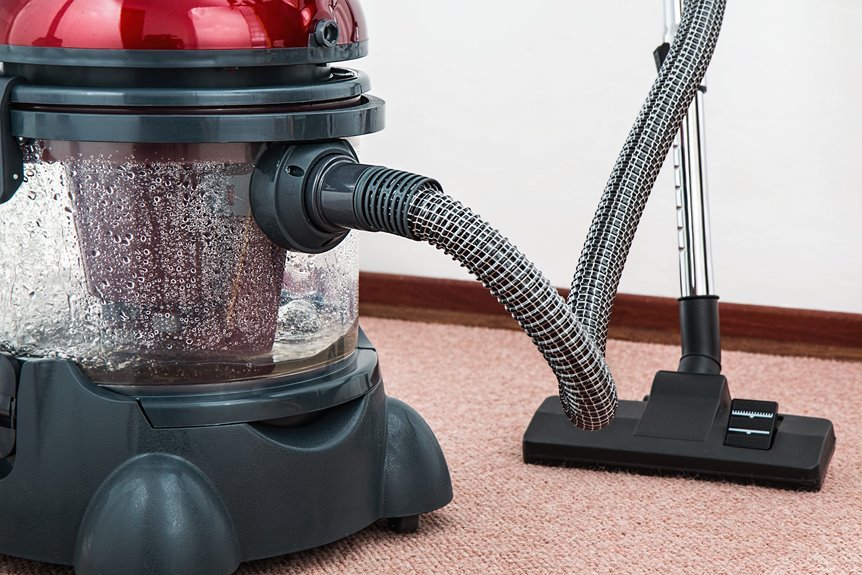

You may not realize that your vacuum filter often clogs first from the finest dust, not the larger debris you can see. As you clean, fine particles settle deep into the filter, while hair, lint, and crumbs collect on the surface and restrict airflow even more quickly. As a result, suction drops, the motor works harder, and your vacuum starts to seem worn out before the bin even appears full. That sudden decline usually comes from a few causes most people overlook.
Why Vacuum Filters Clog So Fast
When your vacuum filter clogs quickly, the problem usually begins with what the machine is collecting and how well the system can manage it. Heavy dust, fine powder, damp debris, and sticky residue can build up fast, reducing airflow before the vacuum can keep up.
Another common issue is using a filter material that doesn’t match the application. If the pore size is incorrect, dirt tends to stick instead of release, which causes the filter to clog faster. Paper filters often load more quickly than coated or specialty materials.
Airflow restrictions elsewhere in the system can also force more debris toward the filter. Overfilled bins, blocked hoses, and dirty separators increase the strain. To prevent frequent clogging, use pre-filtration, inspect the system regularly, and follow a consistent maintenance schedule so each part of the vacuum system works properly together.
What Vacuum Filters Actually Trap
Because a vacuum filter sits between moving air and the motor, it traps far more than ordinary household dust. As you clean, the filter media captures lint, pet dander, hair, pollen, ash, crumbs, fine powder, and tiny fibers that often go unnoticed. It also holds contaminants such as skin flakes and soot, helping your home feel cleaner and fresher.
| What it traps | Where it comes from | How you feel |
|---|---|---|
| Dust | Floors, shelves | More settled |
| Hair | Pets, people | Less alone |
| Pollen | Shoes, windows | More at ease |
| Crumbs | Rugs, sofas | More at home |
This matters because your vacuum works hard to support the level of comfort you want for everyone in your home. Even invisible particles add to the load, and your filter manages them quietly every day.
The Main Causes of Fast Filter Buildup
Although a vacuum filter is designed to capture dirt, it can clog quickly when a large amount of fine dust reaches it at once, the material is damp or sticky, the filter media isn’t suited to the application, or weak airflow allows debris to remain on the surface instead of moving through the system.
This doesn’t mean you’re doing anything wrong. These are common issues that many operators encounter:
- A heavy debris load fills filter pores before airflow can clear them
- Moisture causes dust to clump and stick
- An unsuitable filter traps particles too quickly
- Weak airflow allows debris to settle and accumulate
- Full bins or blocked pathways direct more dirt toward the filter
When these conditions occur together, buildup accelerates. With the right setup, you and your vacuum can work more effectively each day.
How Pet Hair Clogs a Vacuum Filter
As you vacuum pet hair, it wraps around the filter fibers and forms a dense mat that restricts airflow.
Fine dander and dust also move deeper into the filter, where they collect in tiny pores and worsen the blockage.
As airflow drops, the vacuum has to work harder, and you may notice weaker suction almost immediately.
Hair Wraps Filter Fibers
When you have pets, you’ve probably noticed how their hair gets everywhere, and your vacuum filter is one of the most common places it collects.
During cleaning, strands wrap around the filter fibers instead of passing through. That buildup traps more debris, reduces airflow, and forces your vacuum to work harder. You aren’t doing anything wrong. This is common in active, pet-friendly homes, especially when brush tangling and roller hair buildup create extra strain before air reaches the filter.
- Hair wraps around fibers and creates a net
- Airflow drops, so suction feels weaker quickly
- Tangled strands trap lint and larger debris
- Clogs form faster in homes with shedding pets
- Regular checks help your vacuum keep doing its job
Because hair clings so easily, even a filter that looks clean can hide a stubborn blockage deep inside.
Fine Dander Buildup
As pet hair collects on the filter, fine dander moves behind it and packs the tiny pores even faster. You are not doing anything wrong. This is how pet-filled homes work. These soft flakes cling through dander adhesion, then spread across the media and begin filter surface blinding.
| What builds up | What it does | Why it matters |
|---|---|---|
| Hair strands | Trap flakes | Creates spots for packing |
| Fine dander | Fills pores | Clogs faster |
| Skin oils | Help particles stick | Harder to remove |
| Dust mix | Bonds layers | Thickens buildup |
| Reused filter | Holds residue | New dander sticks faster |
Because the hair layer catches larger particles first, dander gets an ideal place to settle. In a home with pets, this is a common cleanup problem.
Airflow Drops Fast
That packed layer of hair and dander does more than sit on the filter. It narrows the path your vacuum needs to breathe, so airflow restriction appears quickly. As hair wraps around fine dust, pores close, suction drops, and you notice vacuum pressure loss almost immediately. You aren’t doing anything wrong. This is common in homes like yours, especially when pets shed daily and the bin, hose, or brush roll already contains debris.
The filter then takes on more strain and clogs sooner.
- Hair mats over filter pores
- Fine dander seals tiny gaps
- Hoses collect hidden tangles
- Full bins push debris upward
- Weak airflow strains the motor
Because the whole system works together, a single hairy blockage can make your vacuum seem tired, loud, and less effective during cleanup days.
Why Fine Dust Blocks Filters Quickly
Fine dust clogs your filter quickly because tiny particles sink deep into the filter media and fill the pores before airflow can carry them through.
As that buildup increases, your vacuum moves less air, so suction drops and even more dust collects inside the filter.
That’s why a small cloud of powdery debris can make your vacuum struggle much sooner than larger debris.
Fine Particle Buildup
Often, the real problem starts with dust so small you can barely see it. Those tiny particles slip deep into the filter and stay there. As they stack up, particle adhesion makes them cling to the media instead of lifting away. Then pore blinding begins, which means the filter openings get sealed by packed dust. You aren’t doing anything wrong, and you’re definitely not alone. This happens fast if your vacuum keeps pulling in fine powder, ash, or dry debris that settles tightly together.
- Fine dust wedges into tiny filter spaces
- Dry powder packs down into a stubborn layer
- Small particles cling through particle adhesion
- Pore blinding seals openings with trapped dust
- Repeated fine debris intake speeds buildup
That is why fine particle buildup feels sneaky. It forms quietly, then suddenly your filter looks loaded.
Reduced Airflow Efficiency
As dust builds into a dense layer, your vacuum has to work harder to pull air through the filter. That added strain restricts airflow, so less suction reaches the floor. You may notice weaker pickup, longer cleaning times, and a machine that sounds strained, because backpressure rises as fine dust seals the filter’s tiny pores.
| Cause | What you notice | Why it matters |
|---|---|---|
| Fine dust blocks pores | Weak suction | Air cannot move freely |
| Heavy debris continues | Hotter motor | Strain increases quickly |
| Hoses collect debris | Uneven pickup | Airflow drops before it reaches the head |
| An overfilled bin pushes dust upward | Sudden clogging | The filter clogs faster |
| A pre-filter traps larger debris | Better airflow | The main filter lasts longer |
You are not doing anything wrong. This is a common issue. Still, when airflow drops, each pass feels more difficult for everyone.
How Carpet Increases Filter Buildup
Whenever you vacuum carpet, the filter has to handle far more than loose dust from a hard floor. Dirt settles deep in the pile, then lifts all at once. That sudden surge of particles forces fine debris into the filter, where tiny pores clog quickly. You also pull up carpet fibers, pet dander, pollen, and abrasive grit, all of which can wear surfaces and break into even smaller particles.
- Carpet traps layers of debris that your vacuum releases quickly
- Fine dust packs tightly into filter media
- Fibers and grit move together and build up faster
- Deep pile holds more debris than most people expect
- Your vacuum works harder, and your filter absorbs the strain
Because carpet stores and releases debris in waves, your vacuum has a tougher job. You aren’t doing anything wrong. It’s simply a heavier load than your filter system can easily manage.
Why an Overfilled Bin Clogs Filters
Whenever you overfill the bin, there’s less room for air to move, so your vacuum loses the steady airflow it needs.
As that space shrinks, dust and fine debris get pushed closer to the filter and clog it much faster.
Your vacuum then has to work harder to pull air through the buildup, and that added strain only makes the blockage worse.
Reduced Airflow Space
Because an overfilled bin leaves too little room for air to move, your vacuum can’t separate dirt from airflow the way it should. That lack of space restricts movement inside the bin, so suction becomes uneven and weak. As a result, debris swirls in a cramped area instead of moving smoothly through the system.
You may also notice reduced filter clearance, which means the vacuum has less open space to maintain balanced airflow. This makes the machine work harder, and you can feel the difference.
- Suction sounds strained
- Pickup becomes patchy quickly
- Debris circles instead of settling
- Air movement feels restricted
- Your vacuum seems overworked
When you empty the bin on time, you give your vacuum the space it needs to breathe and perform properly as part of a well maintained home.
Dust Reaches Filters
As the bin becomes too full, dust no longer has enough space to settle properly and begins moving with the airflow toward the filter. Instead of remaining contained, loose debris shifts upward and enters pathways that should carry mostly air. This change matters quickly, because fine particles reach the filter in greater amounts and collect across its surface.
You have probably seen this happen without realizing it. When the bin is crowded, the vacuum can’t separate dirt the way it was designed to. As a result, more powder, lint, and grit move past the bin and create intake contamination before they should. In a shared home, one small oversight can affect everyone’s clean space. Keeping enough room in the bin helps your vacuum protect the household, not just the floor.
Stronger Suction Strain
That extra dust reaching the filter does more than dirty the surface. When your bin is overfilled, debris rides higher in the airflow and reaches the filter faster. Then your vacuum has to work harder to pull air through packed dust, which increases suction load and adds motor strain. You aren’t doing anything wrong. It happens to all of us when cleanup gets busy.
- Full bins push fine dust directly into the filter
- Packed debris blocks airflow before the system can recover
- Higher suction load allows clogs to form faster
- Motor strain builds as air pathways tighten
- Emptying sooner helps your vacuum keep performing well
As airflow narrows, fine particles lodge deep in the filter pores. That restricted path also puts more stress on hoses and separators, so your whole vacuum can seem tired, loud, and less effective.
Signs Your Vacuum Filter Is Clogged
As a vacuum filter starts to clog, you’ll usually notice the change quickly. Suction drops, airflow sounds strained, and the machine may seem to work harder without picking up much at all. You aren’t imagining it. These are real warning signs that your vacuum needs attention, and catching them early helps you prevent bigger messes.
Also watch for dust escaping near vents, a hotter motor housing, odd smells, or a bin that fills unevenly. Your vacuum may also pulse, whistle, or shut off sooner than usual.
During a filter inspection, check for packed gray dust, damp debris, sticky residue, or discoloration that doesn’t brush away. If your home suddenly feels less clean after vacuuming, that matters too. Once you know these signs, you can feel more confident and capable while keeping your vacuum running properly.
How a Clogged Filter Reduces Suction
Once you spot the warning signs, the next question is simple: why does suction drop so quickly when the filter gets dirty?
As dust builds up in the filter, air can’t move through it freely. That restriction blocks airflow and forces your vacuum to work harder while pulling in less air. Suction drops because it depends on consistent airflow, not just motor power.
As the filter pores fill, pressure becomes uneven, debris starts collecting in the hose, and the entire system begins to struggle.
- Air passages narrow quickly
- Fine dust blocks filter pores
- Reduced airflow weakens pickup
- Extra strain affects the motor
- Debris stays where it should not
You aren’t imagining it. A clogged filter can make your vacuum seem weak, noisy, and frustrating to use.
As airflow slows, the machine can’t lift dirt from carpet or hard floors as effectively as your household needs each day.
When to Clean or Replace a Filter
If your vacuum suddenly sounds strained, loses suction, or starts pushing dust around instead of picking it up, it’s usually time to check the filter before the problem gets worse. This change often means dust has packed into the filter media, airflow has dropped, and your vacuum needs attention right away.
To prevent bigger issues, follow a simple cleaning schedule based on how often you vacuum and what types of debris you pick up. Fine dust, pet hair, and damp debris require more frequent checks. Washable filters should be cleaned once buildup becomes visible, and they must dry completely before reuse. If the filter remains discolored, smells musty, or suction doesn’t return after cleaning, it’s likely time for a replacement. When you keep up with this routine, your vacuum performs better, and every room feels fresher.
How to Prevent Vacuum Filter Clogs
Preventing clogs starts with reducing what reaches the filter in the first place, because a clean filter lasts much longer when your vacuum doesn’t have to handle heavy dust, damp debris, or packed hair every time you clean.
To stay ahead, use pre-filtration methods and simple preventive maintenance habits together:
- Empty the bin before it becomes packed.
- Pick up wet messes only with a wet-rated vacuum.
- Clear hair from brush rolls and hoses regularly.
- Check airflow paths for hidden blockages.
- Choose filter media that matches fine or sticky debris.
These steps work best together. When you clean attachments, keep debris loads lighter, and replace worn filters on time, your vacuum maintains better airflow.
You protect performance, avoid sudden clogs, and keep your cleaning routine reliable.
Frequently Asked Questions
Can Using the Wrong Filter Material Damage the Vacuum Motor?
Yes, using the wrong filter material can damage your vacuum motor because incompatible filters can restrict airflow or allow contaminants to pass through. Choosing the proper filter media helps protect both the motor and the surrounding space.
Do Humid Environments Make Vacuum Filters Clog Faster?
Yes, humidity and dust can make your vacuum filters clog faster because moisture helps particles stick together, form clumps, and block airflow. Clean and dry the filters regularly to keep your vacuum running smoothly.
Why Does My Filter Clog Even After I Clean It?
Dust left in hoses, collection bins, or the wrong filter media can cause your filter to clog again quickly, even after cleaning. Restore airflow by checking for upstream blockages, using the correct media, and taking steps to protect filter life.
Can Clogged Hoses Make the Filter Seem Blocked?
Yes, clogged hoses can make your filter seem blocked because a hose obstruction increases airflow resistance, reduces suction, and causes debris to back up. Checking hoses and passages regularly helps your whole system run smoothly.
Are Washable Filters Better for Fine Dust Collection?
Yes, washable filters can improve fine dust capture when you choose the right media. Studies show PTFE-coated options can reduce blinding by about 30%, which helps extend filter life and maintain system performance.
