
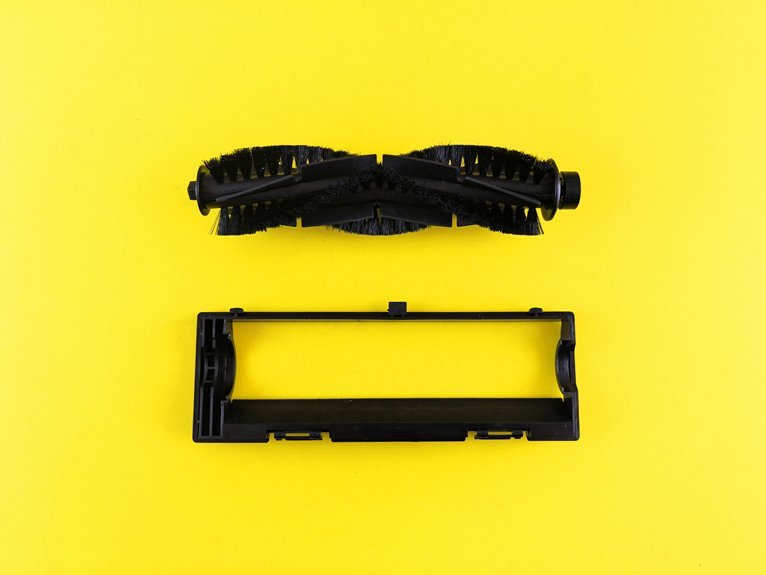

You may not know that your vacuum does not clean with suction alone, because each part has a specific job that affects how well it picks up dirt. As you understand how the motor, brush roll, belt, filters, and dustbin work together, you can spot problems faster and keep your machine working with less stress. That matters more than you might expect, especially when one small part quietly starts causing big trouble.
How Vacuum Cleaner Parts Work Together
When you switch a vacuum on, each part starts doing its job in a clear sequence. The machine begins with power source coordination, as the cord or battery sends energy through the switch and control module to the motor. That organized handoff helps the vacuum respond smoothly, so it feels like everything is working with you, not against you.
From there, the nozzle meets the floor, the intake port gathers debris, and the hose carries it toward the main body. At the same time, airflow path sealing inside the housing keeps movement controlled and efficient.
Then the dust bag or dustbin receives the debris, while the filter system traps fine particles before the air exits. Each part supports the next, and together they create the reliable clean your home deserves every day.
How the Motor Creates Suction
Because the motor starts the vacuum’s airflow, it does much more than simply make noise. When you switch the vacuum on, the motor spins a fan at high speed. The spinning fan pushes air out of one area and lowers air pressure inside the machine. As the pressure drops, suction forms, and surrounding air moves in to balance it. That moving air is the airflow your vacuum depends on.
From there, the motor serves as the driving force behind the cleaning system. It converts electrical energy into motion, keeps air moving steadily, and helps the vacuum perform effectively on your floors. If the motor slows down, suction weakens as well.
That’s why a healthy motor helps ensure your vacuum is ready to work reliably every day.
Where Dirt Enters the Vacuum
The first stop for dirt is the nozzle, where the vacuum pulls in dust, crumbs, and grit from the floor. As you clean, the nozzle stays close to the surface, helping the vacuum collect everyday debris. This close contact matters because it directs dirt into the nozzle opening and reduces the chance of particles escaping.
From there, dirt passes through the intake port, the opening that allows air and debris to enter the machine. When you know the intake port location, it becomes easier to understand why some vacuums perform better along edges, in corners, or under low furniture. Together, the nozzle and intake port create a smooth transition that helps maintain steady airflow. When these parts remain clear, the vacuum delivers reliable pickup that helps keep your space clean and comfortable.
What the Brush Roll Does
As dirt enters through the nozzle, the brush roll loosens debris trapped deep in carpet fibers.
It agitates the carpet so suction can remove more hair, dust, and grit that might otherwise stay behind.
When it performs properly, you get a cleaner floor with less effort and stronger pickup in areas where debris tends to collect.
Debris Loosening Action
While the vacuum moves across your floor, the brushroll does more than spin. It creates surface agitation that lifts stuck debris, helping particles release so suction can capture them. You get a cleaner path because the brushroll keeps debris in motion instead of letting it stay embedded. This action makes your vacuum a more effective part of your home care routine, supporting every pass.
| Part | Action | Benefit |
|---|---|---|
| Bristles | Lift fine dust | Easier pickup |
| Rotation | Disturbs crumbs | Faster cleaning |
| Contact | Frees trapped bits | Better airflow |
As the bristles sweep, they separate dirt from the surface and guide it toward the nozzle opening. You do not have to struggle with every speck. The brushroll helps your vacuum respond quickly and smoothly, with consistent support for daily cleaning.
Carpet Agitation Role
Now that you’ve seen how bristles loosen debris, it helps to look at what the brushroll does specifically in carpet. As it spins, it provides steady carpet fiber lift that opens the surface, so your vacuum can work through layers more effectively. That matters whenever you want deep pile cleaning and a fresher feel underfoot.
- It stirs the carpet gently, so packed areas feel more open.
- It helps separate fibers, which improves airflow at the nozzle.
- It increases contact with uneven surfaces across the rug.
- It supports a more even cleaning path, so your room feels cared for.
Because of that motion, your vacuum doesn’t just glide over carpet. It works with the texture beneath you.
You aren’t left guessing whether it’s doing enough. You can feel your cleaner doing its part.
Hair And Dust Pickup
Because the brushroll keeps turning at the nozzle, it does more than stir carpet fibers. It grabs loose strands, lifts clingy fuzz, and guides debris toward the intake so suction can carry it away. When you want reliable pet hair pickup, that steady brushing action helps free hair from rugs before it tangles deeper.
That motion also supports dust buildup removal in the spots your home community notices first, like entryways, family rooms, and under favorite chairs. As the bristles sweep, they loosen fine dirt, break up light mats of hair, and keep debris moving instead of letting it settle back down. You get a cleaner path with less leftover mess, which makes your space feel cared for, welcoming, and ready for everyone who belongs there each day.
How the Brush Roll Belt Works
Your brush roll belt connects the motor to the brush roll, transferring the power that makes the brush spin and lift dirt from carpet.
If the belt becomes loose, cracked, stretched, or broken, you may notice weak brushing, unusual smells, or a brush roll that doesn’t turn.
To keep your vacuum cleaning effectively, check the belt regularly and replace it as soon as it shows signs of wear.
Belt Drive Mechanism
Inside many upright and powered vacuum heads, a simple belt links the motor to the brushroll so the brush can spin while the vacuum pulls in dirt. When you turn the vacuum on, the motor shaft rotates, grips the belt, and transfers motion to the brushroll. This action helps the machine lift grit from carpet fibers for effective cleaning.
- The belt stretches around the motor shaft and brushroll pulley.
- Proper belt tension helps the brush spin without slipping.
- Good pulley alignment keeps power flowing smoothly and quietly.
- Together, these parts support consistent vacuum performance.
Because the belt is flexible, it cushions movement while still providing steady rotation. This allows strong agitation at the floor and helps the vacuum clean effectively during regular use.
Signs Of Wear
That steady belt action only helps while the belt keeps the right shape, grip, and tension, so the early signs of wear matter more than many people realize. When your vacuum starts losing brush power, you might notice weaker pickup on carpet, a hot rubber smell, or unusual noises during normal cleaning.
These clues are connected because a worn belt can stretch, slip, or ride unevenly around the motor shaft and brushroll. When that happens, the brushroll may slow down, hesitate, or stop spinning smoothly. You might also see a belt that looks glazed, frayed, or slightly misshapen.
In some models, visible plastic cracks near the brush housing can appear along with belt stress, because extra vibration often travels through nearby parts. Catching these changes helps you understand what your vacuum is telling you sooner.
Replacement And Maintenance
As the belt begins to wear out, replacing it on time helps the brushroll keep working properly without putting extra strain on the motor. You protect suction, maintain good nozzle performance, and help your vacuum stay reliable every time you use it.
- Check for cracks, stretching, glazing, or a burning smell.
- Follow the replacement intervals in your manual for best performance.
- Confirm compatibility so the new belt fits your model correctly.
- Clean hair and threads off the brushroll before installing the new belt.
This small belt transfers motor power to the brushroll, so it needs to stay tight enough to spin with consistent force. If it slips, your vacuum may miss dirt and sound strained.
With regular care, you aren’t just maintaining a machine. You’re keeping your cleaning routine steady, simple, and part of what helps your home feel cared for.
Filters and How They Affect Suction
Because clean airflow matters more than most people realize, filters directly affect how strong your vacuum feels and how well it keeps dust from blowing back into the room. When filters clog, airflow drops, suction weakens, and cleaning becomes frustrating fast.
| Filter Part | Job | Effect on Suction |
|---|---|---|
| Pre-motor filter | Protects the motor | Helps maintain steady airflow |
| HEPA filter | Captures fine dust | Supports cleaner exhaust |
| Exhaust filter | Cleans outgoing air | Helps prevent blowback |
| Clean filters | Allow air to pass freely | Improves pickup strength |
| Dirty filters | Restrict airflow | Reduces performance |
This is why HEPA filter benefits matter to your household, especially if allergies make cleaning more difficult. Exhaust filtration stages also help your vacuum move air efficiently while keeping the room fresher, safer, and more comfortable for everyone nearby.
Where the Dirt Gets Collected
After suction pulls debris through the vacuum, it needs a secure place to collect while maintaining proper airflow.
Your vacuum handles this with either a dust bag or a dirt bin, and the filtration chamber helps separate trapped debris from the air moving through the machine.
When you understand how these parts work together, you can empty the vacuum at the right time and keep it performing effectively.
Dust Bag Purpose
Although it may look simple, the dust bag performs an essential function inside a bagged vacuum cleaner. It collects and holds the dirt, dust, and debris that airflow pulls in from your floor. As you clean, it provides a secure place for mess, so your vacuum stays cleaner and disposal stays more manageable.
Its debris containment purpose matters because it keeps collected material together instead of loose inside the machine. That gives you the practical benefits of bagged disposal when it’s time to remove waste.
- Holds dust, crumbs, and debris neatly
- Supports cleaner handling during removal
- Helps keep collected dirt contained
- Makes cleanup feel simpler and less stressful
When you use a bagged vacuum, you’re choosing a familiar system that many households trust. It supports a more controlled cleaning routine and helps make everyday upkeep easier.
Dirt Bin Design
While a dust bag seals debris inside a replaceable pouch, the dirt bin in a bagless vacuum provides that same mess with a built-in storage space that you can see and empty yourself.
That visibility helps you stay in control. You can spot buildup, judge bin capacity, and empty it before performance drops. A clear container also makes cleanup feel less uncertain, which can be reassuring when you’re caring for a shared home.
The dustbin shape matters too. A well-designed bin guides dirt inward, packs debris efficiently, and releases it with less mess when you open the latch. Many bins detach quickly, so you don’t have to struggle with trapped crumbs or pet hair.
In everyday use, a good dirt bin keeps your routine simple, tidy, and aligned with how your home functions each day.
Filtration Chamber Role
Because the dustbin or bag only holds what the vacuum captures, the filtration chamber handles the quieter job of keeping that debris contained and airflow controlled.
This space separates fine dust from moving air, helping the vacuum maintain efficiency while keeping indoor air fresher. It functions as an air purification chamber that lets the machine operate effectively without sending particles back into your rooms.
- It directs dirty air toward the filter system.
- It supports pre-motor and HEPA filter protection.
- It improves exhaust air filtration before air exits.
- It helps reduce dust leaks during operation.
As air moves through the chamber, it slows and follows a controlled path, which gives the filters more time to capture debris. The result is cleaner exhaust, more consistent suction, and a vacuum that performs more reliably.
How the Hose and Wand Help
Whenever you need to clean beyond the vacuum’s main head, the hose and extension wand make the job easier and more comfortable.
Together, they provide the extra reach you need for stairs, corners, furniture edges, and high areas that aren’t easy to access. You can clean more naturally without struggling with awkward angles.
The hose carries air and debris from the nozzle to the vacuum body while bending around chairs, table legs, and tight spaces. This gives you greater flexibility, so you can move with confidence and clean without pulling the entire machine into every area.
The extension wand adds length, which helps you clean ceilings, vents, and under furniture with less strain on your back and shoulders. When both parts work together, the vacuum is easier to use every time.
Vacuum Attachments and What They Do
Since a vacuum can only do so much with its main floor head, attachments give you more control when cleaning areas that are often difficult to reach or easy to overlook. They help you clean details, fabrics, and edges more effectively, so the entire home feels maintained, not just the floors.
- A crevice tool supports crevice cleaning along baseboards, corners, and couch seams.
- An upholstery tool helps with upholstery care on cushions, chairs, and fabric stairs.
- A dusting brush removes dust from shelves, blinds, and lamps without scratching surfaces.
- A hard floor tool moves smoothly over wood or tile and picks up grit gently and evenly.
Together, these attachments make cleaning more efficient and thorough. You can handle awkward spots more easily, and with the right tool, each room can feel fresh, comfortable, and well cared for.
The Parts That Make It Easy to Use
After learning what each attachment can do, it helps to look at the parts that make the vacuum easier to handle from room to room. These features help you stay in control and clean shared spaces with confidence and ease.
| Part | What you feel |
|---|---|
| Power switch | Quick start and simple control |
| Wheels and casters | Smooth turns and easy rolling |
The power switch gives you fast control as you move between rugs, corners, and furniture. On cordless models, the battery lets you clean without switching outlets. On corded units, the power cord supports longer cleaning sessions. An extension wand helps you reach high spots with less strain. Wheels and casters help the vacuum move smoothly along your path, so your home feels cared for and welcoming.
Parts You Should Clean Often
Regular cleaning keeps your vacuum performing well, and a few key parts need attention more often than others.
When you keep up with these small tasks, your vacuum stays dependable each time you clean, which makes home care simpler.
- Empty the dustbin or replace the dust bag before debris becomes too compacted.
- Wash or tap out the filter and pre motor filter according to your model’s instructions.
- Check the brushroll for hair, string, and lint as part of routine maintenance.
- Wipe the nozzle, hose opening, and attachments so airflow remains clear and dirt moves through easily.
A consistent cleaning schedule makes these steps easier to remember.
With regular care, your vacuum stays cleaner, fresher, and ready to handle the spaces you use every day.
Signs a Part Needs Replacing
Often, your vacuum gives clear warning signs before a part fully fails, and catching them early can help you avoid weak suction, unusual noises, and a cleaning job that feels much harder than it should. If suction drops after you clean the filter and empty the dustbin, inspect the hose, brushroll, or motor fan for wear.
Listen closely for performance changes. Grinding sounds, burning smells, overheating, or sudden shutoffs often point to motor trouble. A cracked belt, clogged intake port, or damaged powerhead can also cause rough operation or poor movement. In cordless models, shorter run time, slow charging, or fading power are strong signs that the battery may need replacement.
You may also notice frayed cords, stiff wheels, broken switches, or a full dust indicator that stays on. Replacing worn parts helps keep your vacuum reliable and your cleaning routine simple.
Frequently Asked Questions
How Long Should a Vacuum Cleaner Typically Last?
You can expect a vacuum cleaner to last about 8 to 12 years. With proper care, its lifespan can improve, and you may notice normal wear as performance gradually declines.
Are Vacuum Cleaner Parts Interchangeable Between Brands?
No, you usually cannot swap vacuum cleaner parts between brands because compatibility depends on each brand’s design. Check your model specifications and prioritize safe replacements, so your vacuum continues to work properly and you can maintain it with confidence.
Which Vacuum Type Is Best for Pet Hair?
For furry floor frustrations, choose an upright or canister vacuum with strong pet hair pickup and the right brushroll type. You can feel confident selecting models with turbo brushes, HEPA filtration, and upholstery tools for effective whole home cleaning.
How Much Electricity Does a Vacuum Cleaner Use?
You’ll usually use 500 to 1,500 watts while vacuuming, depending on your model and settings. A vacuum cleaner’s energy consumption stays relatively modest, so you can clean with confidence while keeping your home fresh.
Is Repairing a Vacuum Cheaper Than Replacing It?
Usually, yes, repairing is cheaper when repair cost factors stay low. You will save more by fixing belts, filters, or switches, but if motor damage becomes expensive, replacing the vacuum may offer better value.
