
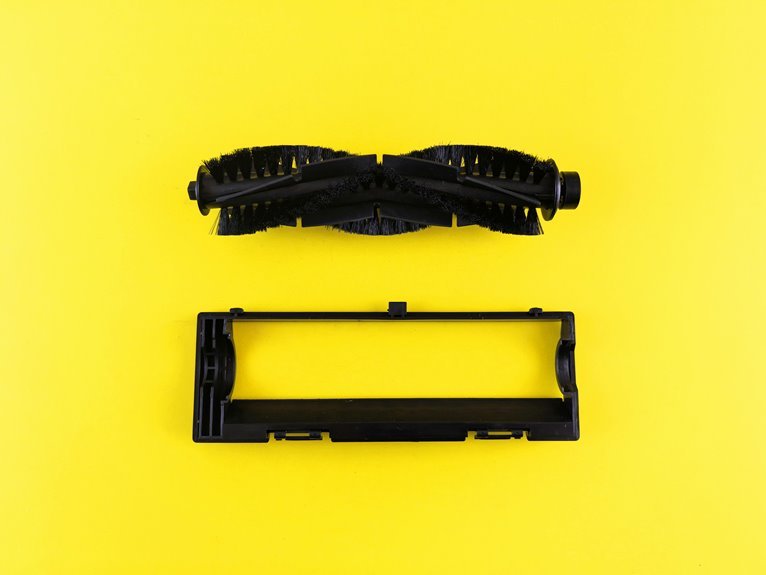

When your vacuum brush roll stops spinning, the cause is usually simple, even though it feels frustrating in the moment. Hair may be wrapped tightly around the roller, there may be a clog in the head or hose, the height setting may be incorrect, or the brush mode may be turned off intentionally. In other cases, the belt may slip, the end caps may seize, or the motor may fail. The good news is that each problem leaves clues, and the next section helps you identify them quickly.
Why Your Vacuum Brush Roll Stopped Spinning
If your vacuum brush roll suddenly stopped spinning, the cause is usually something simple, even though it feels frustrating in the moment. You aren’t alone when this happens, and it doesn’t always mean your vacuum is done for. Often, the issue starts with a worn belt, a seized brush roll, the wrong floor setting, or the upright lock keeping the roller disengaged.
Next, check for power loss or an electrical interruption. Your vacuum might still have suction while the brush motor has shut off because of overload, overheating, loose wiring, or a faulty switch. In some models, a safety reset must happen before the roll works again.
As you inspect each part, you’re doing what every capable home fixer does, staying calm, checking the basics, and getting your routine back on track.
Hair Blocking the Vacuum Brush Roll
Because hair wraps tightly around the brush roll as you vacuum, it’s one of the most common reasons the roller slows down or stops completely. As strands collect, they catch carpet fibers, trap dust, and mix with dander buildup, creating a thick band that restricts movement and adds drag.
That extra resistance gets worse when thread tangles wind around the ends of the roll. The brush can’t turn freely, and you may notice a burning smell, poor pickup, or a roller that feels stiff by hand. This is a routine problem in busy homes.
Check the brush, end caps, and housing for wrapped hair and packed debris. Once you clear it away, your vacuum can work properly again and clean more effectively.
Wrong Height Setting or Brush Mode
Before assuming something is broken, check the vacuum’s height setting and brush mode.
If the carpet height is set too high, the brush roll may not make enough contact with the surface to spin properly.
Also confirm that the brush switch is on and that the vacuum is set to the correct surface mode, since hard floor mode may intentionally disable the brush roll.
Carpet Height Too High
Whenever the carpet height is set too high, your vacuum may seem to have a brush roll problem even though the brush is working properly.
When the nozzle sits too far above the floor, the bristles can’t reach into the carpet fibers well enough to sweep and lift debris. This often happens when the pile height adjustment or carpet setting doesn’t match your rug.
As you move from one room to another, check how the vacuum sits on the surface. If the head feels too loose, floats, or leaves grit behind, lower the setting one step at a time. A taller, plush rug needs a different position than a low, tight weave.
You aren’t doing anything wrong. This is a common setup issue, and once you match the vacuum to your carpet, cleaning usually feels smooth again.
Brushroll Switch Disabled
Whenever the brush roll suddenly stops, the problem could be as simple as the brush switch being off or the vacuum being set to the wrong cleaning mode.
Before you worry, check the handle or nozzle controls. Many vacuums have a brush switch or power toggle that disables the brush roll on purpose. It’s easy to bump one while cleaning, especially when you’re moving quickly and trying to keep your home clean.
Next, make sure your vacuum is fully engaged for floor cleaning, not left in a setting that keeps the brush off. Some models also won’t run the brush unless the handle is lowered into position. You aren’t missing something obvious. These controls can confuse anyone.
A quick reset of the switch and mode often gets your vacuum working properly again.
Surface Mode Mismatch
Although it can feel like a bigger failure, a surface mode mismatch often stops the brush roll by design, not because the vacuum is broken. If you clean hard floors with carpet mode off, or set the height too high or too low, the brush mightn’t engage correctly. That can look alarming, but you aren’t alone. This kind of mode confusion affects many careful users.
As you move from tile to rugs or thicker carpet, check the floor selector, pile height, and nozzle position together. A surface setting mismatch can keep the brush from touching the carpet, or it can trigger protection when resistance becomes too high. Some uprights also pause the brush while the handle remains locked upright.
Before you expect repairs, make sure your vacuum matches the surface you’re asking it to clean.
Clogs in the Vacuum Head or Hose
Begin by checking the vacuum head and hose, because a hidden clog in either area can restrict airflow and cause the brush roll to stop. When suction drops, the vacuum may detect an airflow blockage and shut off the brush to protect the motor. Hidden debris often collects where the floorhead bends or where the hose curves.
| Area | What to look for | What you should do |
|---|---|---|
| Vacuum head | Lint, paper, clumps | Remove buildup |
| Hose bend | Coins, socks, hair | Push the clog out |
| Inlet path | Dust plugs, pet fur | Clear by hand |
Inspect both ends of the hose, then shine a light through it. If light cannot pass through, air cannot either. After you clear the blockage, normal airflow should return and the brush roll may start working properly again.
A Broken Vacuum Brush Roll Belt
If your vacuum’s brush roll suddenly stops, the belt may be worn, cracked, or broken.
Common signs include a loose brush roll, a burning rubber smell, or a belt that appears stretched or split.
If you find any of these issues, replacing the worn belt can help restore proper cleaning performance.
Signs Of Belt Damage
When your vacuum brush roll suddenly stops, the belt is one of the first parts to check because it transfers power from the motor to the brush. If the belt is worn, you may notice weak spinning, a burning rubber smell, or a brush that starts and stops. These signs can help you identify the issue early.
Next, inspect the belt for cracks, shiny worn areas, frayed edges, or missing pieces. Stretching is also important because a loose belt can slip instead of maintaining a firm grip.
You may hear a high-pitched squeal, notice poor carpet pickup, or find that the brush roll turns slowly by hand but not under power. If the belt sits off center or appears twisted, that’s another clear sign that damage is affecting your vacuum’s performance.
Replacing A Worn Belt
A belt that shows cracks, stretching, or missing pieces usually won’t recover, so replacing it’s the fix that gets your brush roll moving again. Before you start, unplug the vacuum and open the floorhead so you can check the belt path and brush roll fit.
Next, remove the damaged belt and do a quick drive belt inspection. If hair or lint is packed around the brush roll, clean it first, because buildup can ruin the new belt as well.
Then match the replacement belt to your vacuum model and loop it onto the motor shaft and brush roll correctly. Helpful belt replacement tips include checking alignment, turning the roll by hand, and making sure the belt sits snug and isn’t twisted. Once reassembled, your brush roll should be ready to work again.
Seized Bearings or Stuck End Caps
Because the brush roll has to spin freely to do its job, seized bearings or stuck end caps can stop everything quickly. Even if your belt is fine, the roll may feel locked, stiff, or rough when you turn it by hand. That friction can keep your vacuum from cleaning effectively.
After checking the belt, inspect the ends of the brush roll. Hair, lint, and packed dust often collect there and can make stuck end caps seem like a more serious problem.
If you remove the roll and the ends still don’t move smoothly, seized bearings may be the cause. Clean away any debris, wipe the axle points, and test the roll again. If it still binds, replacing the brush roll assembly will usually restore proper performance.
When the Brush Roll Motor Fails
When the brush roll turns freely by hand and the belt still looks fine, the problem might be the brush roll motor. After checking for stuck end caps, this next step can make troubleshooting feel clearer and more manageable. If the motor fails, suction may still work, but the brush will not spin.
| Sign | What it suggests |
|---|---|
| Burning smell | Motor winding failure |
| No response from switch | Brush drive circuitry issue |
You might also hear a faint hum, notice repeated shutoffs, or find loose wires near the nozzle. In some vacuums, worn motor bearings can seize and stop brush movement. If power reaches the head but the roll stays still, you likely need a motor assembly replacement. Many owners run into this issue, and careful testing can help you identify the next repair step.
Frequently Asked Questions
How Often Should I Clean My Vacuum Brush Roll?
You should clean your vacuum brush roll every one to two weeks, or weekly if you have pets or use it heavily. Follow a simple maintenance schedule and clean it consistently so your vacuum works reliably for your household.
Can a Spinning Brush Roll Damage Delicate Rugs?
Yes, even if you vacuum carefully, delicate rug fibers can still be damaged when the brush roll spins too aggressively. To better protect your rugs, switch off the brush roll or use a gentle setting.
Is It Safe to Use a Vacuum With the Brush Off?
Yes, you can safely use a vacuum with the brush off, especially to protect hard surfaces and delicate rugs. You will still get suction performance, though deep carpet cleaning may be reduced. This is a smart, careful choice.
How Do I Know if My Vacuum Has Overload Protection?
About 80% of vacuum stoppages are caused by clogs or overheating. Your vacuum likely has overload protection if the brush or motor shuts off and then restarts after cooling, or if you find a motor reset button or thermal cutoff.
Should I Repair or Replace an Older Vacuum Cleaner?
You should repair an older vacuum whenever repair costs stay well below its replacement value and it still cleans reliably. Choose replacement whenever breakdowns repeat, parts are scarce, or performance keeps slipping.
