
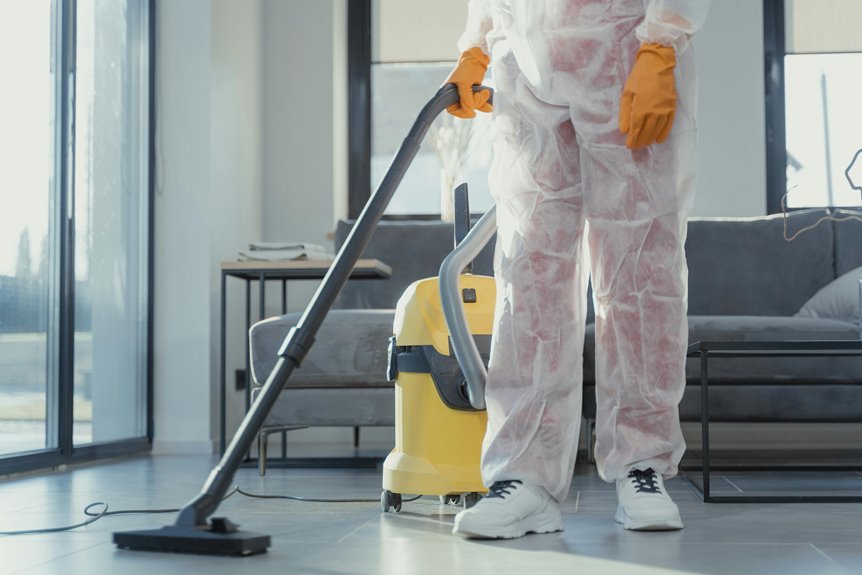

You may think vacuum safety is just common sense, but that idea falls apart quickly when the wrong setting, a frayed cord, or a damp floor can damage your machine or put you at risk. To stay safe, check the manual, inspect the plug and cord, use the right outlet, clear small hazards, avoid water, ash, and glass, and keep the filters and brush roll clean. The small habits you skip at first often cause the biggest problems.
Read the Manual Before You Start
Before you switch on your vacuum, take a few minutes to read the user manual. That small step can help you avoid shocks, motor damage, and an unexpected repair bill.
Your vacuum has its own requirements, and the user manual shows you how to use it properly from day one. You’ll learn what surfaces it can handle, when to unplug it, how to empty it, and how to clean the filters without causing problems.
Just as important, the safety instructions explain how to protect yourself, your family, and the machine. That guidance helps you feel prepared and confident.
If your vacuum gets dropped, wet, or starts acting strangely, the manual tells you what to do next. By following it, you can keep cleaning safe, simple, and effective.
Inspect the Cord and Plug First
Once you’ve checked the manual, inspect the cord and plug before every use. This simple habit helps protect your home and gives you more confidence while you clean.
Begin with a basic cord inspection. Look for fraying, cracks, exposed wires, kinks, or areas where the cord appears pinched. Then inspect the plug. Check for bent prongs, discoloration, burn marks, looseness, or a plug that feels unusually warm.
If anything seems wrong, don’t ignore it. A damaged cord or plug can quickly increase the risk of shock or fire. Don’t use the vacuum until it has been examined by a qualified technician. When unplugging the vacuum, hold the plug rather than pulling on the cord. This helps protect the appliance and supports a safer, more reliable cleaning routine.
Use a Safe Outlet
Use a Safe Outlet
Even if your vacuum looks fine, the outlet you use matters just as much. Before you start cleaning, choose a wall socket that feels secure and shows no burn marks, buzzing, or warmth. If you have RCD protection, use it. That extra layer helps protect you and everyone at home from electric shock if something goes wrong.
Just as important, give your vacuum its own outlet.
Don’t plug it into a power strip crowded with lamps, chargers, or heaters. Those setups can lead to overloads and overheating. If you need an extension cord, make sure it matches your vacuum’s power requirements and isn’t damaged.
Turn the vacuum off before unplugging it, then pull from the plug, not the cord. These small habits help make your home safer and better maintained.
Keep Your Vacuum Away From Water
Because water and electricity are a dangerous mix, keep your vacuum away from wet floors, damp carpets, sinks, tubs, and doorways where rain can blow in.
Even a small amount of water exposure can put your safety at risk and damage the machine you rely on to keep your home clean and comfortable.
This is important every day because moisture can damage the motor, wiring, and other internal parts.
If your vacuum gets damp, stop using it immediately and unplug it safely.
Then have a qualified service technician inspect it before using it again.
Just as you choose a safe outlet, you should also store your vacuum indoors in a cool, dry place.
When you protect it from moisture, you help keep your home safer and more comfortable for everyone.
Never Vacuum Ash, Glass, or Liquids
While your vacuum can handle everyday dust and crumbs, it isn’t designed for hazardous debris such as ash, broken glass, or liquid spills. Hot or warm ash may contain hidden embers that can ignite dust inside the machine and create a serious fire risk in your home. Broken glass can tear hoses, damage filters, and leave sharp fragments behind that may cause injury.
Safe cleaning practices are important in every household. For liquid spills, use towels or a mop unless you have a vacuum specifically designed for wet and dry messes. Standard vacuums can suffer motor damage, and moisture may increase the risk of electric shock. If your vacuum comes into contact with water or damp debris, stop using it and have it inspected. Taking these precautions helps keep your home safe and clean.
Pick Up Small Objects Before Vacuuming
Before you start vacuuming, take a moment to pick up coins, clips, pins, and other small items from the floor. These objects can jam the brush, crack internal parts, or damage the hose.
What should be a quick cleanup can easily become an expensive repair. By clearing debris first, you help your vacuum run smoothly and make your cleaning routine safer and less stressful.
Clear Debris First
Although it may be tempting to start vacuuming immediately, taking a moment to clear the floor first can protect your machine and improve safety. Before you begin, do a quick scan of the area and remove loose debris so the space is ready and easier to manage. This simple habit helps keep each room orderly and well maintained.
- Pick up coins, paper clips, nails, hairpins, and small toys by hand.
- Move larger items, such as socks, cords, or craft supplies, out of the vacuum’s path.
- Look for sharp, unusual, or unidentified messes, especially near furniture and in corners.
- Keep children and pets away from the area while you clear the floor.
Preparing the space in advance supports a smoother routine, helps prevent slips or interruptions, and makes cleaning more efficient for everyone at home.
Protect Vacuum Parts
Since small objects can cause real damage quickly, take a minute to pick them up before you turn the vacuum on. Coins, paper clips, hairpins, screws, nails, and pieces of hard plastic can jam the brush, crack attachments, and scratch floors before you notice.
That quick scan also helps protect the motor housing and preserve internal seals, which keeps your vacuum running smoothly for the whole household. When sharp or heavy items get sucked in, they can strike fans, clog hoses, and strain moving parts.
You don’t want your weekend cleaning routine to turn into an unnecessary repair call. Walk through the room, check under chairs, and move larger items aside. It’s a simple habit, but it helps you care for your home with confidence and consistency.
Match Settings to Your Floor Type
As you move from clearing small objects to cleaning the floor itself, match the vacuum settings to the surface beneath you.
Adjust the height properly and use the correct suction so the vacuum cleans effectively without dragging, sticking, or straining the machine.
This also helps protect delicate surfaces, allowing you to clean with greater confidence and less worry.
Adjust Height Properly
Before you start vacuuming, set the vacuum height to match your floor type so it cleans effectively without damaging the surface or straining the machine. When you adjust the wheel height correctly, the vacuum moves more easily, protects delicate floors, and handles each room properly.
- Use a lower setting for bare floors so the head stays close without scraping.
- Raise it slightly for low pile carpet, which helps the vacuum glide instead of tugging.
- Increase the height more for thick carpet so the brush roll doesn’t dig in or stall.
- Test a small area first. If pushing feels too hard or too easy, adjust the height again.
This simple step helps you care for your home with confidence. You aren’t guessing, and your vacuum won’t sound like it’s struggling with the rug.
Use Correct Suction
While the right height helps the vacuum move well, the right suction helps it clean effectively without being too harsh on your floors. When you match the power level to the surface, you make cleaning safer and easier for everyone in your home. Lower suction settings work better on rugs that lift easily, while stronger settings suit dense carpet that holds more dirt.
As you move from room to room, pause and adjust the vacuum instead of using one setting everywhere. That small step helps the machine glide more smoothly, reduces strain on the motor, and keeps airflow steady. It also makes cleaning more comfortable, which can make the task feel simpler and more manageable.
If your vacuum has labeled power levels, use them with confidence. You aren’t guessing, you’re caring for your home wisely.
Protect Delicate Surfaces
Each floor type needs the right setting, because the wrong one can scratch delicate surfaces, scatter debris, or make the vacuum harder to push. When you match the height, brush roll, and suction to the room, you protect your home and help each space stay well cared for. This simple check supports gentler cleaning and helps your vacuum’s surface guard work as intended.
- Use bare floor mode on hardwood, tile, and vinyl to help reduce scuffs.
- Raise the head on thick carpet so the vacuum glides instead of pulling.
- Turn off aggressive brush action on rugs, laminate, and older finishes.
- Test a hidden spot first whenever you’re unsure, especially in shared family spaces.
You aren’t being fussy. You’re protecting the rooms that hold your daily life and memories.
Empty the Bin Before It’s Full
Although it’s easy to keep vacuuming for just one more room, you’ll get better suction and put less strain on the motor if you empty the bin or change the dust bag before it becomes completely full. Staying within the recommended dust bin capacity helps your vacuum perform the way your household needs it to.
When debris builds up too high, airflow drops, pickup weakens, and the machine has to work harder than necessary. That’s why airflow maintenance matters during everyday cleaning, not just during deep cleans.
You protect the motor, reduce the risk of overheating, and make each pass more effective. As part of a practical home care routine, check the bin before you begin and again during longer jobs. It’s a small habit, but it helps your vacuum stay reliable and ready for regular use.
Clean or Replace Filters Regularly
Keeping the bin from getting too full helps airflow, and your filters support that same goal in another part of the machine. When you maintain clean filters, you protect the motor, preserve airflow efficiency, and help your vacuum perform reliably as part of your regular home care routine.
- Check filters regularly, especially after heavy cleaning sessions or work in dusty rooms.
- Wash reusable filters only if the manual approves it, then allow them to dry completely.
- Replace worn or clogged filters on schedule so heat and strain don’t build up inside the vacuum.
- Reinstall each filter correctly, because even a small gap can reduce performance.
This simple habit helps keep your vacuum operating safely and consistently. It also gives you confidence that you’re caring for your home responsibly with a practical, everyday maintenance routine.
Remove Hair From the Brush Roll
Hair wraps around the brush roll quickly, and that buildup can make your vacuum work harder than necessary.
Check the roll regularly and cut away tangles before they block movement or strain the motor. This simple habit helps keep your vacuum safer, cleaner, and easier to use.
Cut Away Tangles
Before you deal with a tangled brush roll, turn the vacuum off, unplug it, and place it on a flat, dry floor so it can’t start automatically while your hands are near the moving parts.
Work carefully. A safe fix helps your whole home feel calmer and more cared for. Use small scissors or a seam ripper, and cut only the wrapped hair or string.
- Hold the brush roll still with one hand while you make short, gentle cuts.
- Pull loosened strands away from the bristles, belt area, and end caps.
- Keep cord management in mind, and move the power cable aside for safer cable untangling.
- Stop when material feels stuck deep inside, and check your manual before forcing anything.
You aren’t just cleaning. You’re protecting your vacuum and helping your space run smoothly.
Check Roll Regularly
Regularly checking the brush roll helps your vacuum maintain strong suction, clean more effectively, and avoid the strain that wrapped hair can place on moving parts.
When you make this a habit, you protect your machine and help your home feel well cared for. First, unplug the vacuum, then turn it over and look for hair, thread, and string wound around the roll.
Next, remove buildup gently with scissors or your fingers, while staying clear of sharp edges and bristles. This simple step supports proper roller maintenance and helps you catch early signs of brush roll wear before cleaning performance declines.
If the roll looks cracked, stiff, or uneven, replace it according to your manual. By staying consistent, you aren’t just performing routine upkeep. You’re caring for a tool your household relies on every week.
Store Your Vacuum Properly
Once you finish cleaning, store your vacuum in a cool, dry place to protect the motor and other parts from moisture and heat. A good storage spot keeps your vacuum safe, clean, and ready for the next busy day at home.
- Unplug it completely before storing it, so no one in your household has to worry about accidental starts.
- Wrap the cord carefully using the built-in hooks or a neat loop, which keeps your space tidy and helps reduce trip hazards.
- Store the vacuum upright and keep attachments together, so everyone in your home can quickly find what they need.
- Keep it indoors, away from water sources, stairs, and high-traffic areas, so your home stays safer and more organized.
These simple habits help you care for your vacuum and maintain your shared space with confidence every day.
Watch for Signs It Needs Repair
Even with careful storage, your vacuum may still show warning signs when something is wrong, and catching them early can help you avoid larger problems later. If you hear unusual noises, smell overheating, or notice reduced suction, stop using it and inspect it right away. These changes often point to a clogged hose, a dirty filter, a worn belt, or motor trouble.
Just as proper storage helps protect your vacuum from damage, regular attention can keep your cleaning routine safe and stress free. Watch for a frayed cord, a hot plug, sparks, or a machine that shuts off unexpectedly. If your vacuum was dropped or exposed to water, don’t use it again until a qualified technician inspects it. Acting early helps protect your space and keeps your household running smoothly.
Frequently Asked Questions
Can Children Use a Vacuum Cleaner Without Adult Supervision?
No, you should not let children use a vacuum cleaner alone. Build safer habits through active supervision, confirm that the child is old enough to use the vacuum properly, and keep children away from cords, plugs, moving parts, and other hazards.
How Often Should a Vacuum Cleaner Be Professionally Serviced?
You should have your vacuum professionally serviced once a year, or sooner if it gets heavy use or has been dropped, exposed to moisture, overheats, or makes unusual noises. Follow the maintenance schedule and service interval in your owner’s manual to help keep your home running safely.
Is It Safe to Vacuum Around Pets While They’Re Nearby?
It’s safest to keep pets away while you vacuum. This helps reduce stress, prevent accidental contact with moving parts, and limit allergic reactions from stirred-up dust, making the home safer and calmer for everyone.
What Footwear Is Safest to Wear While Vacuuming?
You’re safest wearing non slip shoes and closed toe footwear while vacuuming. They protect your feet, improve traction, and help you move confidently through your home.
Should I Unplug the Vacuum Immediately After Every Use?
Yes, you should unplug your vacuum after every use. This improves electrical safety, helps prevent accidental starts, supports better cord management, reduces trip risks, and keeps your home routine safe, tidy, and dependable.
