
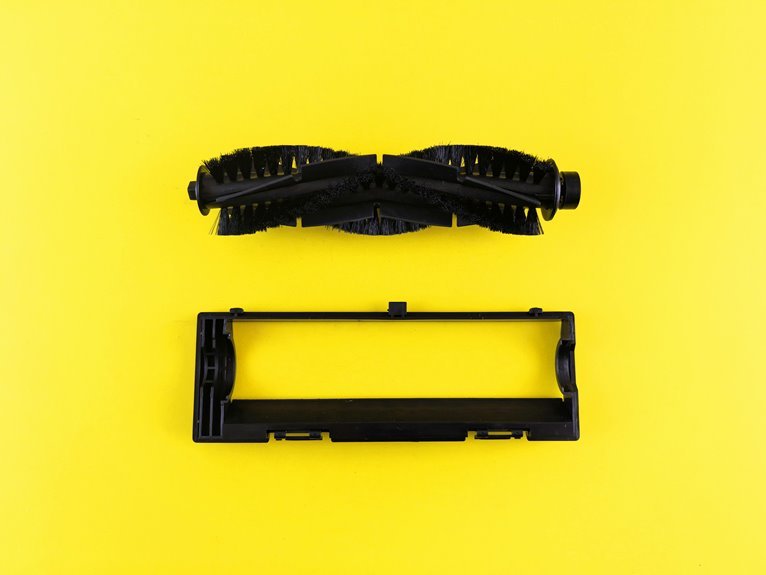

You should replace most vacuum filters every 3 to 6 months, but conditions in your home can change that schedule quickly. If you have pets, more dust, or vacuum frequently, you may need to replace the filter sooner. HEPA filters often last 6 to 12 months, while foam filters may require more frequent maintenance. A clogged filter reduces suction and can spread odors, so knowing the warning signs can save you time, money, and frustration.
How Often Should You Replace Vacuum Filters?
Usually, you should replace a vacuum filter every 3 to 6 months, but the right timing depends on your vacuum, the filter type, and how heavily your home uses the machine.
That is a solid replacement schedule for most homes, and it helps your vacuum perform reliably. Check your owner manual first, because your model may require a different schedule. Foam, felt, and paper filters often fall within that 3 to 6 month range. HEPA filters often last 6 to 12 months, while some carbon filters can last much longer.
As you keep up with maintenance, pay attention to filter condition and lifespan. If suction drops, odors appear, or the filter looks clogged or damaged, replace it promptly. Replacing it on time keeps cleaning easier, fresher, and less frustrating for everyone at home.
What Affects Vacuum Filter Replacement Timing?
Your filter replacement timing depends largely on how often you vacuum and the conditions in your home.
If you clean frequently, have pets, or deal with dust, dander, and heavy foot traffic, your filter will clog more quickly and need attention sooner.
For that reason, there’s no single replacement schedule that works for everyone.
Your cleaning habits and home environment determine the right timing.
Usage Frequency
Often, the biggest factor in how often you should replace a vacuum filter is how hard your vacuum works in your home. When you vacuum frequently, the filter fills faster, so your cleaning schedule should include more regular checks. This helps your vacuum maintain strong performance and keeps your routine manageable.
Here’s what usually affects timing:
- Daily use wears filters out faster than weekly cleaning.
- Large rooms make your vacuum run longer during each session.
- Heavy messes clog filters sooner, even with good maintenance.
As usage increases, regular inspection becomes more important. You don’t need to rely on guesswork. Check the filter often for dirt, reduced suction, or stale odors. If you vacuum several times a week, replacing filters closer to the shorter end of the recommended range can help keep your home care routine on track.
Home Environment
Because the air and dirt in your home shape what your vacuum picks up, filter life can vary widely from one house to another. If your space gets dusty quickly, the filter will fill more quickly as well. Poor indoor air quality, open windows, nearby roads, and frequent foot traffic all add particles your vacuum must capture.
Climate inside the home also plays a role. Seasonal humidity can make dust cling to surfaces, contribute to musty odors, and trap more debris in the filter.
Homes with pets, children, or family members with allergies often require more frequent checks. In a cleaner, lower traffic environment, filters may last longer. Watch for odors, reduced suction, and visible buildup. These signs can help you maintain a cleaner home and support better indoor air quality every day.
Why Do Vacuum Filters Need Replacing?
As a vacuum filter fills with dust, hair, and fine debris, it can’t move air the way it should. That restriction makes your vacuum work harder, reduces suction, and leaves dirt behind. In a well-kept home, your cleaning routine should feel reliable, not frustrating.
- Better suction: A fresh filter helps your vacuum pick up dust and pet hair more effectively.
- Cleaner exhaust: Strong filtration traps more particles, so less dust returns to your shared space.
- Less machine strain: Replacing worn filters can reduce stress on the motor and support longer-lasting performance.
Over time, normal wear also reduces how well the filter captures fine debris. Even if your vacuum still runs, a clogged or aging filter can spread odors and make cleaning feel like a chore instead of a success.
When Should You Replace a HEPA Filter?
You should usually replace a HEPA filter every 6 to 12 months, but the timing may need to be shorter if you vacuum often, have pets, or deal with heavy dust.
If you notice weak suction, musty smells, or a filter that still looks dirty after cleaning, it’s probably time for a replacement.
To stay on schedule, check your vacuum’s manual first, because the manufacturer’s guidelines are the best match for your model.
Replacement Timing Signs
How do you know it’s time to replace a HEPA filter? A few clear signs can help you decide. A quick inspection often tells you what you need to know.
If the filter looks dark, packed with dust, or remains dirty after cleaning, it’s time for a replacement. Odor is another important clue. If your vacuum gives off a musty smell, the filter may no longer trap particles effectively.
- Suction drops, and cleaning feels harder than usual.
- You notice stale or dusty smells during vacuuming.
- The filter looks damaged, discolored, or clogged.
These signs often appear together, so watch for changes in both performance and smell. Replacing the filter at the right time helps your vacuum work reliably and keeps your home feeling fresher.
Usage-Based Lifespan
Usually, a HEPA filter lasts about 6 to 12 months, but the actual replacement schedule depends on how heavily your vacuum is used in your home.
If you vacuum daily, clean large rooms, or manage high foot traffic, the filter fills more quickly and may need to be replaced sooner. This is especially important in homes with pets, excess dust, or allergy concerns.
By paying attention to your vacuum use over time, you can better judge the right replacement interval. In a smaller apartment with light weekly cleaning, a HEPA filter may last longer. In a larger home with children, shedding pets, and frequent messes, it likely will not. This is where cleaning schedule planning becomes useful.
When filter maintenance matches your routine, your vacuum performs more effectively, the air feels cleaner, and your home continues to support everyday comfort.
Manufacturer Change Guidelines
The safest answer often comes directly from your vacuum’s manufacturer, because each HEPA filter is designed differently and operates within specific limits. Your owner’s manual provides the most accurate service intervals, which helps you maintain performance and protect warranty coverage. If you want to follow the brand’s recommended care plan, start here:
- Check the owner’s manual for the exact HEPA replacement schedule.
- Follow the manufacturer’s guidance on cleaning versus full replacement.
- Replace the filter sooner if suction drops, odors develop, or the filter remains dirty.
This guidance is important because some HEPA filters last 6 to 12 months, while others can last 2 to 3 years under lighter use. If your home has pets, allergy concerns, or high dust levels, the shorter timeline usually applies.
Following the manufacturer’s instructions helps you maintain reliable performance with confidence.
When Should You Replace a Foam Filter?
Generally, you should replace a foam filter every 3 to 6 months, but that timeline can vary based on how heavily your vacuum is used in your home. If you vacuum often, pick up pet hair, or deal with high dust levels, you may need to replace the filter sooner. Checking your manual can help you follow the recommendations for your specific model.
Foam filter material traps fine debris, so it gradually wears down through regular use and washing.
Once that wear begins to affect airflow and cleaning performance, replacement becomes necessary. If your vacuum loses suction, develops a musty smell, or the filter still looks dirty after cleaning, it’s time for a new one. Tears, crumbling edges, or stiffness are also clear signs that the filter can no longer perform effectively. Keeping the filter fresh helps maintain cleaner air and better vacuum performance.
When Should You Replace a Cartridge Filter?
Cartridge filters follow a similar pattern to foam filters, but they can be less forgiving once dust gets packed deep into the pleats.
In most vacuums, you should replace one every 3 to 6 months, or sooner if cleaning no longer restores airflow. This helps your machine maintain strong performance and keeps cleaning from becoming frustrating.
Watch for these clear signs:
- Suction drops and dust remains behind
- Odors appear after vacuuming
- You notice filter media wear or cracks in the housing
Because pleated designs trap fine debris tightly, a cartridge filter can look fine but still be blocked internally. Check your owner manual first, then pay attention to how your vacuum performs.
If the filter still looks dirty after cleaning, replace it. Reliable performance depends on replacing it at the right time.
How Do Pets Affect Filter Replacement?
If you share your home with pets, you’ll usually need to replace your vacuum filter sooner because fur, dander, and tracked-in dirt fill it faster than normal household dust. That extra buildup makes your vacuum work harder each time you clean the spaces you and your pets use most.
Pet hair can wrap around internal parts and cling to the filter surface, which restricts airflow more quickly. Dander also adds fine particles that pack tightly into the filter material.
If you vacuum often to keep your home clean and comfortable, your replacement schedule should move toward the shorter end of the normal range. In busy pet households, this often means checking filters more frequently and planning earlier replacements, especially during shedding seasons when your vacuum is used daily.
What Signs Mean a Filter Needs Replacing?
When should you stop cleaning a vacuum filter and replace it instead? You can usually tell by changes in how your vacuum performs. If suction drops, dust starts blowing back out, or the filter still looks dirty after cleaning, it’s likely worn out. That’s normal, and many people deal with the same issue.
- Check for visible clogging that doesn’t clear, deep discoloration, or damage such as tears or bent edges.
- Notice unusual odors like musty, sour, or burnt smells while vacuuming.
- Watch performance closely if your vacuum sounds strained, runs hotter, or leaves debris behind.
These signs often appear together, so trust what you observe. A new filter helps your vacuum work reliably and keeps cleaning performance consistent.
Should You Clean or Replace Vacuum Filters?
Although cleaning helps your vacuum work better for a while, it doesn’t always solve the whole problem, and that’s where many people get stuck. You want to do the right thing, and the answer depends on your filter type.
If you have reusable filters, cleaning is part of normal care. A good cleaning frequency is often every 1 to 3 months, or every 2 to 4 weeks in busy homes.
Still, cleaning isn’t the same as starting fresh. Non-washable filters usually need replacement on schedule, even if they look fine. Washable HEPA filters also wear down over time, so you can’t rely on rinsing forever.
To stay consistent, check your owner’s manual, match care to how often you vacuum, and remember that regular upkeep helps your whole home feel cleaner and better maintained.
What Happens If You Don’t Replace Filters?
If you don’t replace your vacuum filter, your vacuum can lose suction and leave more dirt behind.
As the filter becomes clogged, the machine has to work harder, which can increase the risk of motor damage over time.
Skipping a filter change may seem harmless, but it can make cleaning less effective and shorten the life of your vacuum.
Reduced Cleaning Performance
Frustration sets in quickly when a vacuum filter becomes clogged, because the machine can’t pick up dirt as effectively as it should. Airflow starts to decline, and crumbs, hair, and dust are left behind.
Even if you maintain the same cleaning schedule, your rooms may not feel as fresh, which can make your routine seem less effective.
- Suction weakens, so more passes are needed.
- Fine dust settles back onto floors and furniture.
- Pet hair and debris remain on rugs instead of being lifted away.
As performance declines, cleaning takes more time and delivers fewer results. That can be discouraging, especially when you want your home to feel clean and comfortable for everyone who lives there.
Replacing filters on time helps your vacuum perform properly and keeps your cleaning routine more efficient and satisfying.
Motor Damage Risks
As a vacuum filter stays clogged for too long, the motor has to work much harder than it should. That extra effort creates heat, increases suction strain, and gradually accelerates motor wear. Instead of pulling air smoothly, the vacuum struggles for airflow, like running uphill in a winter coat. You may notice hot smells, unusual noises, or sudden shutoffs. These signs indicate that the motor is under stress, not that the vacuum is overreacting.
As this strain continues, dirt can slip past the filter and move closer to sensitive motor components. That increases friction and shortens the machine’s lifespan. When you replace filters on time, you protect the part that makes your vacuum a reliable tool.
A small filter change can help you avoid a costly repair later.
How Can You Make Vacuum Filters Last Longer?
How do you help a vacuum filter last longer without letting cleaning turn into a full-time job? Keep a simple routine and stick with it. If you want clean floors without extra hassle, start with smart habits:
- Empty the bin or change the bag before it gets packed full.
- Clean washable filters on schedule, then let them dry completely before reuse.
- Protect clean filters with safe storage, away from dust and damp air.
That routine supports the next step, reducing strain during every vacuum session. Pick up large debris first, vacuum more often in pet areas, and check for clogs in hoses and brush rolls.
When airflow stays steady, your filter traps dirt more effectively and lasts longer. You stay ahead of messes, and your vacuum works more efficiently.
Frequently Asked Questions
Can You Use a Vacuum Without a Filter Temporarily?
Yes, but only briefly. Temporary vacuum use can work, yet short term operation without a filter can blast dust into your air and damage your vacuum. If you are careful, stop quickly and replace the filter as soon as possible.
Are Generic Replacement Filters as Good as Brand-Name Ones?
Yes, you can use generic replacement filters if you compare the filter material quality and confirm warranty compatibility. Well-made generic filters can perform effectively and offer good value, but low-quality options may reduce suction.
How Do You Find the Correct Filter for Your Vacuum?
Find the correct filter by checking your vacuum’s manual, model number, and the manufacturer’s website for model compatibility and proper filter size. Also confirm whether the filter is washable or non-washable so you choose the right option for your vacuum.
Do Vacuum Filters Affect Indoor Air Quality?
Absolutely, your vacuum filter can improve particulate capture and support allergy reduction, which helps maintain better indoor air quality. Regular maintenance helps keep your space fresher, cleaner, and more comfortable for everyone.
Where Should Old Vacuum Filters Be Disposed Of?
You should place old vacuum filters in landfill disposal unless your local program accepts them. Check recycling options for plastic frames or washable parts. Following local waste rules helps your home and community.
