
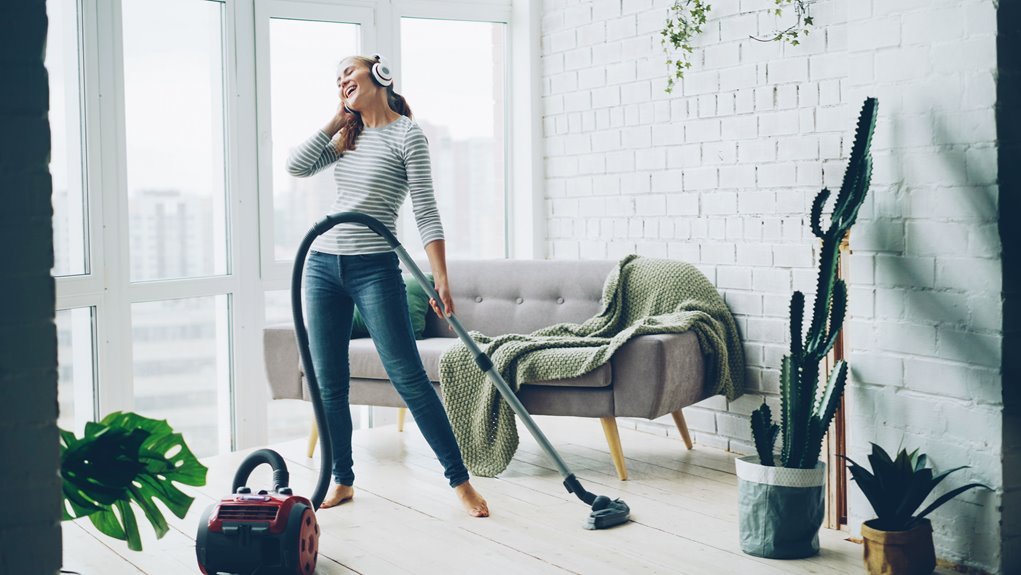

If you wait too long to vacuum, your floors can quickly start collecting dust and debris. For better indoor air quality, vacuum most areas of your home at least once a week. High traffic spaces such as hallways, living rooms, kitchens, and entryways often need vacuuming two to three times a week. Homes with pets, allergies, rugs, or carpet may need even more frequent cleaning. The right schedule depends on how quickly each room collects dust, and that is where things get interesting.
How Often Should You Vacuum Your Home?
Vacuuming your home at least once a week is a smart baseline for better indoor air quality because it helps remove the dust, dirt, and allergens that build up during everyday life. A weekly routine keeps your space feeling fresh and cared for, and it can help everyone at home breathe a little easier.
From there, adjust your vacuuming schedule based on how your home actually feels. If dust stays low and rooms remain relatively clean, longer intervals may still work.
Carpets and rugs usually need more attention than hard floors because their fibers hold onto particles longer. It also helps to vacuum before buildup becomes obvious, since settled debris can rise back into the air.
With a steady schedule, your home can feel more welcoming, comfortable, and well maintained.
How Often to Vacuum High-Traffic Rooms
In high-traffic rooms, you’ll usually need to vacuum two to three times a week, and sometimes daily when dirt, pet hair, or allergy triggers build up quickly.
Entryways and hallways need extra attention because they collect the most tracked-in dust and grit from shoes, bags, and constant foot traffic.
If you notice crumbs, visible debris, dull-looking floors, or more sneezing than usual, it’s a clear sign to vacuum more often.
Daily Vacuuming Guidelines
Often, high-traffic rooms need vacuuming more than once a week if you want cleaner indoor air. If your living room or family room stays busy all day, vacuuming daily can fit naturally into your routine and support a practical maintenance schedule. You’re not overdoing it. You’re caring for the shared spaces that help everyone feel comfortable, settled, and at home.
As activity increases, dust, crumbs, pet hair, and fine particles build up faster. That’s why you should vacuum carpets and rugs every day in heavy-use rooms, especially if allergies, asthma, or shedding pets are part of your home life.
On hard floors, a quick daily pass often works well. Use slow, overlapping strokes and a vacuum with strong filtration, so your effort lifts debris instead of stirring it around.
Entryways And Hallways
Entryways and hallways deserve extra attention because they collect the dirt, pollen, and fine grit that get tracked through the rest of your home. Since these spaces connect every room, they usually need vacuuming two to three times a week, and even more often when your household is especially busy.
This routine helps protect the areas everyone uses. Start near door thresholds, where debris settles first, then move slowly along edges and main walking paths with overlapping passes. If you use shoe mats, vacuum around and under them so they don’t keep feeding dust back onto the floor. Carpets in these areas often need the most care, but hard floors benefit as well because loose grit can continue to spread.
When you keep these zones clean, your whole home feels fresher and more welcoming.
Signs More Often Needed
Usually, your high-traffic rooms show when a once-a-week routine is no longer enough. You may notice crumbs near seating, grit along walkways, and pet hair building up faster than usual. Even when floors appear clean, hidden dust can remain in carpet fibers and around baseboards, which can gradually affect air quality.
As activity increases, your rooms may need vacuuming two to three times a week, and sometimes more often. If debris returns within a day of cleaning, that’s a clear sign.
If family members begin experiencing allergy flareups, sneezing, or itchy eyes in frequently used spaces, your schedule likely needs adjustment as well. Watch entryways, rugs, and the areas around couches. When your home feels busier, vacuuming more often can help everyone breathe easier and feel more comfortable at home.
How Often to Vacuum Bedrooms
Your bedroom usually needs vacuuming once a week to keep dust, dirt, and allergens from building up where you rest.
If you have allergies, asthma, pets, or thick rugs, you may need to vacuum two to three times a week to improve air quality and make breathing easier at night.
Along with the floor, give rugs extra attention and clean around the bed and mattress area, since these spots can collect dust where you sleep.
Weekly Vacuuming Schedule
Vacuum bedrooms at least once a week to keep dust, dirt, and allergens from building up where you rest. This weekly schedule works well for most homes and helps your room feel fresh, calm, and well maintained. If you live in a low dust household, you may be able to vacuum a little less often, but once a week is still the most reliable routine for comfort.
To make the habit feel easier and more worthwhile, focus on the benefits of a clean bedroom:
- You get into bed feeling settled, not surrounded by dust or grit.
- You wake up to a space that feels welcoming and personal.
- You maintain a room that supports rest, self-respect, and peace.
If your bedroom has rugs or carpet, stay consistent, since fabric fibers hold more dust than hard floors.
Allergy Control Benefits
When allergies affect your bedroom, vacuuming once a week may not be enough. Many people feel better with two or three sessions each week, especially when dust returns quickly. That extra attention can make your room feel calmer, cleaner, and more comfortable.
| Bedroom need | What helps |
|---|---|
| Mild symptoms | Vacuum twice weekly |
| Strong symptoms | Vacuum three times weekly |
| Fine dust concerns | Improve filter efficiency |
| Air quality goal | Focus on allergen reduction |
Because bedrooms collect dust close to where you sleep, frequent cleaning is important. Use slow, overlapping passes so you remove more particles instead of spreading them into the air. Choose a vacuum with strong suction and reliable filtration. When you maintain this routine, you create a space where you can breathe more easily and feel at home.
Mattress And Rug Care
Because bedrooms contain soft surfaces that hold dust close to where you sleep, rugs and mattresses need more regular care than many people realize. Vacuum bedroom rugs at least once a week, and increase that to two or three times a week if you have allergies, pets, or frequent foot traffic. Use slow, steady passes so the fibers release hidden debris, and rotate rugs regularly to help distribute wear evenly.
For better mattress hygiene, vacuum the mattress surface about once a month, or more often during allergy season. This helps your bedroom feel cleaner, supports better sleep, and improves air quality in your personal space.
- You protect the bed you rely on every night.
- You reduce dust that can make mornings uncomfortable.
- You maintain a bedroom that feels calm, clean, and well cared for.
How Often to Vacuum Carpets and Rugs
Usually, carpets and rugs should be vacuumed at least once a week, and in many homes they need attention more often to help keep indoor air cleaner. If your household walks on these surfaces throughout the day, vacuum two to three times each week. In high-traffic entryways and shared living areas, daily vacuuming can help control dust, pollen, and tracked-in grit.
Carpet pile and rug fibers trap particles more easily than many people realize, so they often require more frequent care. If you have pets, or if anyone in the home has allergies or asthma, vacuum more often to support better air quality. Use slow, overlapping passes, especially in areas where people gather, play, and relax. A vacuum with strong suction and HEPA filtration can help remove fine debris instead of recirculating it into the air.
How Often to Vacuum Hardwood Floors
Generally, you should vacuum hardwood floors about once a week to help keep dust, dirt, and fine particles from building up and moving back into the air. That steady routine helps your rooms feel fresh, welcoming, and easier to enjoy. If your hallways, kitchen, or entryway get a lot of foot traffic, vacuum two to three times a week to stay ahead of dust buildup and help protect the floor finish.
- You create a cleaner space where everyone can relax and feel at home.
- You reduce gritty debris that can scratch the surface you work hard to maintain.
- You keep fine particles from spreading, so your home feels calmer and more cared for.
Use a hard floor setting or soft brush attachment, and move slowly so you lift debris without scattering it around.
How Often Should You Vacuum With Pets?
If you live with pets, vacuum at least two to three times a week. In homes with heavy shedding, daily vacuuming can make a real difference in air quality and overall comfort. This routine helps control loose fur, tracked-in dirt, and quickly building dander.
Since pets spend time in every part of the home, focus on the areas where they rest, play, and move most often. Carpets, rugs, entryways, and upholstery need extra attention for effective pet hair control.
If your dog or cat sheds heavily, give high-traffic rooms quick touch-ups between full cleanings. Use a vacuum with strong suction and reliable filtration so debris stays contained instead of circulating back into your space. With a consistent schedule, your home will feel fresher, cleaner, and more comfortable every day.
How Often to Vacuum if You Have Allergies
If you have allergies, vacuuming two to three times a week can help reduce the buildup of dust, pollen, and other irritants in your home. A consistent routine supports cleaner air, especially in bedrooms and living areas where you spend the most time. For allergy safe vacuuming, use a vacuum with HEPA allergen capture so fine particles stay contained instead of circulating back into the air. Slow, overlapping passes are most effective and can help you maintain a cleaner, more comfortable space.
- You may breathe more easily and feel more comfortable in each room.
- You create a calmer environment that supports rest and recovery.
- You help protect others in your home and support a healthier daily routine.
How Often to Vacuum Stairs and Entryways
Stairs and entryways need even more attention because they collect dirt faster than almost any other part of your home. If you want cleaner air and a home that feels welcoming, vacuum these spots two to three times a week. In busy households, daily passes can make a real difference.
That’s because doorway grit tracking brings in soil, pollen, and tiny particles with every step. On stairs, stair tread buildup settles into corners and gets kicked back into the air whenever someone walks past. To stay ahead of it, use slow, overlapping passes and a crevice tool along edges.
If pets, kids, or frequent guests fill your home with life, check these areas often and vacuum before dirt looks obvious. That small routine helps everyone feel comfortable, cared for, and truly at home together daily.
How Often to Vacuum Curtains and Upholstery
You should vacuum curtains and upholstery at least once a week, and more often if you have pets, allergies, or heavy daily use.
Fabric type also matters. Thicker and textured materials tend to hold more dust, hair, and pollen than smoother surfaces.
Cleaning these soft surfaces on a regular schedule helps control allergens before they build up and return to the air.
Vacuuming Frequency
Curtains and upholstery often need vacuuming more frequently than people expect because these soft surfaces quietly collect dust, pet dander, and allergens that can move back into the air whenever you sit down, open a curtain, or fluff a cushion. To keep shared spaces cleaner, follow a simple vacuuming schedule. In most homes, vacuum these surfaces once a week. If you have pets, allergies, or open windows often, increase the frequency to twice a week.
This routine helps your home feel fresh, comfortable, and easier to breathe in.
- You create a calmer space where everyone can relax.
- You show care for the people who gather, lounge, and live with you.
- You reduce the dust that can make rooms feel stale and stuffy.
If cushions get daily use, give them a few extra quick passes.
Fabric Type Matters
Because fabrics trap dust differently, the material on your curtains and upholstery should determine how often you vacuum them.
Thick velvet, chenille, and layered drapes hold more debris, so they usually need weekly vacuuming. Fabrics with a tighter weave can also conceal buildup deep below the surface, especially on sofas that everyone uses.
Dust And Allergen Control
For better dust and allergen control, vacuum curtains and upholstery about once a week in most homes, since these soft surfaces quietly collect pollen, pet dander, and fine dust long before they look dirty. If you wait, allergen buildup grows and dust circulates whenever you sit down, open curtains, or fluff cushions. That can make shared spaces feel less welcoming.
- You breathe easier when your favorite chair doesn’t send dust into the air.
- You help everyone feel more comfortable, especially kids, guests, and anyone with allergies.
- You create a home that feels cared for, calm, and ready for time together.
If you have pets, asthma, or heavy seasonal pollen, vacuum these fabrics two to three times a week. Use an upholstery tool and a HEPA vacuum for best results.
Why Does Vacuuming Improve Indoor Air Quality?
Why does vacuuming make such a real difference in the air you breathe at home? Your floors, rugs, and furniture collect tiny pollutants every day. When you walk through a room, many of those particles rise back into the air. Vacuuming helps break that cycle through consistent dust removal and effective particle capture, so your living spaces feel fresher and more comfortable.
This matters because your home should support your well-being, not quietly spread irritants. Vacuuming removes dust, pollen, skin flakes, crumbs, and pet dander before they circulate again. It also limits what settles into soft surfaces, where particles can linger and build up over time. As a result, the air around you contains fewer unwanted materials.
You notice cleaner rooms, easier breathing, and a home that feels more welcoming each day.
How Vacuum Type Affects Indoor Air Quality
Vacuuming helps remove dust from your home, but the type of vacuum you use affects how much of that dust stays out of the air. If your vacuum leaks fine particles, you may end up breathing them back in. That’s why HEPA filtration matters. It traps tiny allergens instead of sending them back into the room. Bagged vacuums often contain debris more effectively, while worn filters and full bins can reduce performance. This makes regular vacuum maintenance just as important as suction.
A vacuum that performs well helps create a home that feels fresh, safe, and welcoming. Choosing the right vacuum can help you protect the people you care about each day. When your vacuum is working properly, it’s easier to feel comfortable in your space.
A cleaner machine supports cleaner air, especially in the rooms where your family spends the most time.
How to Vacuum for Cleaner Air
How you vacuum matters just as much as how often you do it, because the right method removes dust instead of stirring it back into the air. Start with the cleanest rooms and finish with entryways, so you don’t spread debris through shared spaces your family enjoys. Move slowly and use overlapping passes to lift more dirt from carpet fibers and rugs.
Next, match your settings and attachments to each surface. Use a brush roll for carpets, then switch it off for hard floors to keep dust from scattering. Choose a vacuum with HEPA filtration, and empty the bin before it becomes too full.
Just as important, maintain your vacuum consistently by cleaning filters, checking seals, and clearing tangled hair. Open a window if possible, so your home feels fresher too.
What Signs Mean You Should Vacuum More Often?
Even with good technique, your floors can show when your current routine isn’t keeping up. If you notice visible dust along baseboards, in corners, or under furniture, your home likely needs more frequent vacuuming. The same is true when odors linger in rugs, especially in busy rooms where everyone gathers.
- If your allergies flare up indoors, your space may be holding more dust and debris than it should.
- If pet hair, crumbs, or grit return a day after cleaning, foot traffic is outpacing your schedule.
- If carpets look flat, dull, or feel gritty underfoot, they’re holding soil that can recirculate into your air.
These signs matter even more in bedrooms, hallways, and living rooms. When you respond early, your home feels fresher, calmer, and easier for everyone to enjoy.
Frequently Asked Questions
Can Vacuuming Too Often Damage Carpets or Rugs?
Yes, if you overdo that tidy-up ritual, you can cause carpet fiber wear and rug pile flattening. Protect your shared space by vacuuming thoughtfully, using proper height settings, gentle passes, and avoiding overly aggressive beater bars.
Should You Dust Before or After Vacuuming?
You should dust before vacuuming because this sequence lets fallen particles land on the floor for easy pickup. You’ll keep shared spaces fresher with smarter surface cleaning, and you won’t leave settled dust behind.
Do Robot Vacuums Improve Indoor Air Quality Effectively?
Yes, robot vacuums can improve indoor air quality if you choose a model with strong filtration and use automated cleaning schedules. Regular maintenance is still necessary, and occasional deep vacuuming helps maintain the best results.
How Often Should Vacuum Filters Be Cleaned or Replaced?
Clean vacuum filters every one to three months, depending on how often you use the vacuum. Replace them every three to twelve months, based on the manufacturer’s recommended schedule. Consistent filter maintenance can help improve air quality in your home.
Is Vacuuming Enough, or Should You Also Use an Air Purifier?
You shouldn’t rely on vacuuming alone. You’ll get better results by adding an air purifier. Vacuuming removes settled debris, while an air purifier captures lingering particles, so your home feels cleaner, healthier, and more welcoming.
